

eLive Premium Auction 434
·
Los 8806
eLive Premium Auction 434
·
Los 8806
eLive Premium Auction 434
·
Los 8806
17.11.2025
13:00 Uhr
GRIECHISCHE MÜNZEN
·
CAPPADOCIA
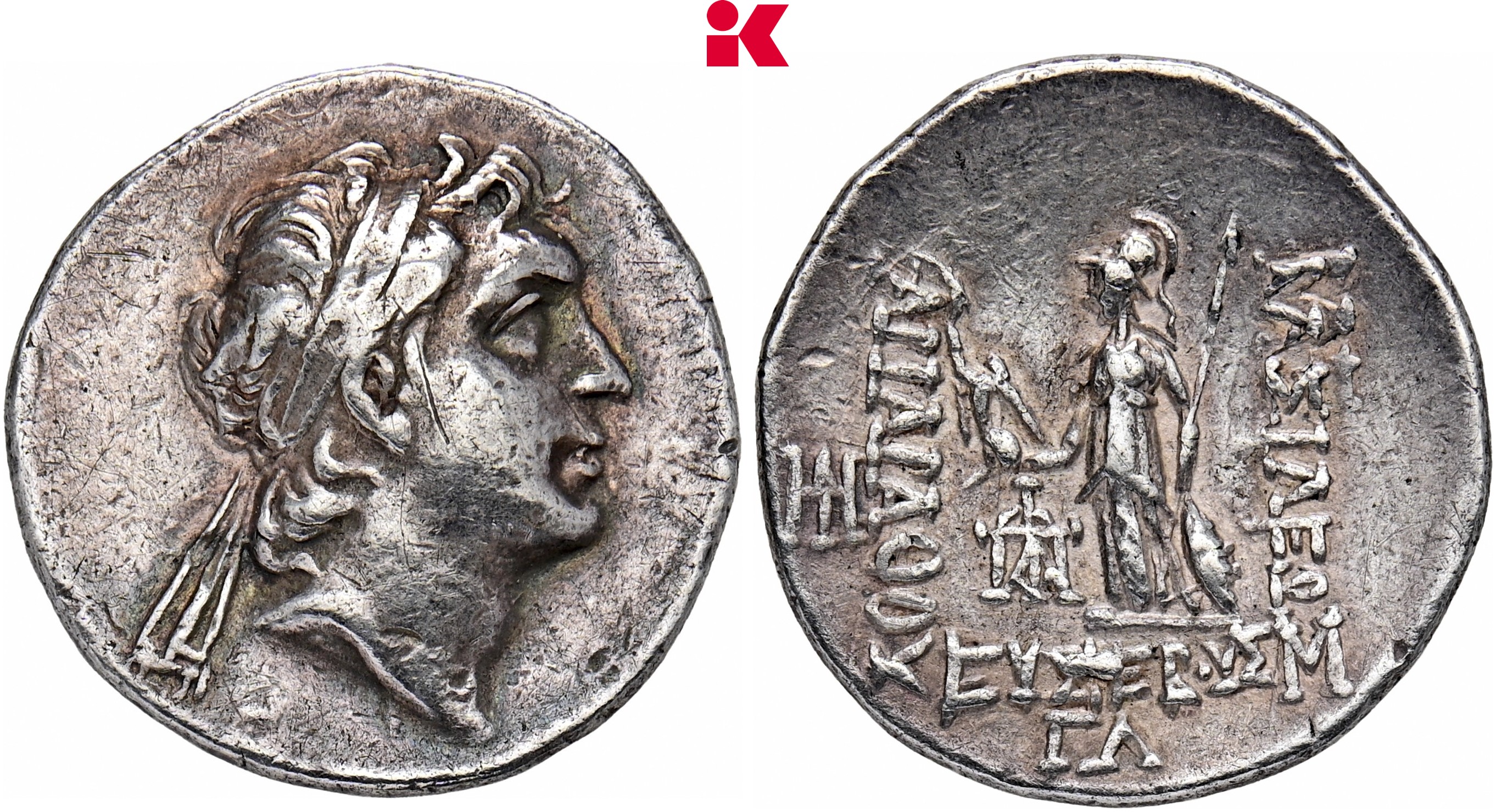
KÖNIGREICH. Ariarathes IV., 220-163 v. Chr. AR-Drachme, Jahr 33 (= 188/187 v. Chr.), Eusebeia;
Versteigert
17.11.2025
13:00 Uhr
GRIECHISCHE MÜNZEN
·
CAPPADOCIA
KÖNIGREICH. Ariarathes IV., 220-163 v. Chr. AR-Drachme, Jahr 33 (= 188/187 v. Chr.), Eusebeia;
Schätzpreis : 50 €
Zuschlag
130 €
Meine Notizen
Beschreibung
KÖNIGREICH. Ariarathes IV., 220-163 v. Chr. Õ-Drachme, Jahr 33 (= 188/187 v. Chr.), Eusebeia; 4,08 g Kopf r. mit Diadem//Athena Nikephoros steht l. Simonetta² 31 a; Hoover 811 (Ariarathes V.); Ganschow -, vergl. 14 ff..
Feine Tönung, kl. Kratzer auf dem Avers, min. Doppelschlag auf dem Revers, sehr schön
Exemplar der Auktion Münzen und Medaillen GmbH 4, Stuttgart 1999, Nr. 158.
Die Zuweisung ist umstritten. Oliver Hoover weist das Stück Ariarathes V. zu. So auch Catharine Lorber, die den Aversstempel dieser Münze als a22 (Serie 5/Issue 5) aufführt und sie nicht nur Ariarathes V. zuweist, sondern auch nach Eusebeia-Mazaka verortet. Siehe hierzu Lorber, Catharine, The Silver Mints of Ariarathes V Eusebes of Cappadocia, RBN CLXIV, 20118, S. 255-284 bes. 269 und 271-273.
Ariarathes IV. ist ein Musterbeispiel wie politischer Opportunismus und dynastische Ehepolitik die königliche Herrschaft sichern konnten. Ariarathes IV. ging aus der Ehe des Ariarathes III. mit einer Tochter des Seleukiden Antiochos II. hervor. Er selbst war mit Antiochis, einer Tochter des Antiochos III. verheiratet. Infolgedessen galt die Treue des Ariarathes IV. zunächst den Seleukiden, was einen Antagonismus mit Pergamon und Rom bedeutete. Nachdem Antiochos III. jedoch bei der Schlacht bei Magnesia 190 v. Chr. von den Römern geschlagen worden war, wandte sich auch der kappadokische König Rom und Pergamon zu. Um die neue Allianz zu stabilisieren, gab er dem pergamenischen König Eumenes II. seine Tochter Stratonike zur Frau. Siehe hierzu Speidel, Michael A., The Hellenistic Kingdom of Cappadocia, in: Tekin, Oguz (Hrsg.), Hellenistic and Roman Anatolia, Istanbul 2019, S. 118-131 bes. S. 121.
The attribution is disputed. Oliver Hoover argues that the piece was created under Ariarathes V. Catharine Lorber agrees and lists the obverse die of this coin as a22 (series 5/issue 5), attributing it to Ariarathes V and locating it in Eusebeia-Mazaka. Cf. Lorber, Catharine, The Silver Mints of Ariarathes V Eusebes of Cappadocia, RBN CLXIV, 20118, pp. 255-284 spec. p. 269 and pp. 271-273.
Ariarathes IV is a prime example of how political opportunism and dynastic marriage policy could secure royal rule. Born from the union of Ariarathes III and a daughter of the Seleucid king Antiochus II, Ariarathes IV himself was married to Antiochis, a daughter of Antiochus III. Consequently, Ariarathes IV was initially loyal to the Seleucids, which led to conflict with Pergamon and Rome. However, following Antiochus III’s defeat against the Romans at the Battle of Magnesia in 190 BC, the king of Cappadocia sided with Rome and Pergamon. In order to stabilize the new alliance, he arranged for his daughter, Stratonike, to marry the king of Pergamon, Eumenes II. Cf. Speidel, Michael A., The Hellenistic Kingdom of Cappadocia, in: Tekin, Oguz (ed.), Hellenistic and Roman Anatolia, Istanbul 2019, pp. 118-131 spec. p. 121.
Feine Tönung, kl. Kratzer auf dem Avers, min. Doppelschlag auf dem Revers, sehr schön
Exemplar der Auktion Münzen und Medaillen GmbH 4, Stuttgart 1999, Nr. 158.
Die Zuweisung ist umstritten. Oliver Hoover weist das Stück Ariarathes V. zu. So auch Catharine Lorber, die den Aversstempel dieser Münze als a22 (Serie 5/Issue 5) aufführt und sie nicht nur Ariarathes V. zuweist, sondern auch nach Eusebeia-Mazaka verortet. Siehe hierzu Lorber, Catharine, The Silver Mints of Ariarathes V Eusebes of Cappadocia, RBN CLXIV, 20118, S. 255-284 bes. 269 und 271-273.
Ariarathes IV. ist ein Musterbeispiel wie politischer Opportunismus und dynastische Ehepolitik die königliche Herrschaft sichern konnten. Ariarathes IV. ging aus der Ehe des Ariarathes III. mit einer Tochter des Seleukiden Antiochos II. hervor. Er selbst war mit Antiochis, einer Tochter des Antiochos III. verheiratet. Infolgedessen galt die Treue des Ariarathes IV. zunächst den Seleukiden, was einen Antagonismus mit Pergamon und Rom bedeutete. Nachdem Antiochos III. jedoch bei der Schlacht bei Magnesia 190 v. Chr. von den Römern geschlagen worden war, wandte sich auch der kappadokische König Rom und Pergamon zu. Um die neue Allianz zu stabilisieren, gab er dem pergamenischen König Eumenes II. seine Tochter Stratonike zur Frau. Siehe hierzu Speidel, Michael A., The Hellenistic Kingdom of Cappadocia, in: Tekin, Oguz (Hrsg.), Hellenistic and Roman Anatolia, Istanbul 2019, S. 118-131 bes. S. 121.
The attribution is disputed. Oliver Hoover argues that the piece was created under Ariarathes V. Catharine Lorber agrees and lists the obverse die of this coin as a22 (series 5/issue 5), attributing it to Ariarathes V and locating it in Eusebeia-Mazaka. Cf. Lorber, Catharine, The Silver Mints of Ariarathes V Eusebes of Cappadocia, RBN CLXIV, 20118, pp. 255-284 spec. p. 269 and pp. 271-273.
Ariarathes IV is a prime example of how political opportunism and dynastic marriage policy could secure royal rule. Born from the union of Ariarathes III and a daughter of the Seleucid king Antiochus II, Ariarathes IV himself was married to Antiochis, a daughter of Antiochus III. Consequently, Ariarathes IV was initially loyal to the Seleucids, which led to conflict with Pergamon and Rome. However, following Antiochus III’s defeat against the Romans at the Battle of Magnesia in 190 BC, the king of Cappadocia sided with Rome and Pergamon. In order to stabilize the new alliance, he arranged for his daughter, Stratonike, to marry the king of Pergamon, Eumenes II. Cf. Speidel, Michael A., The Hellenistic Kingdom of Cappadocia, in: Tekin, Oguz (ed.), Hellenistic and Roman Anatolia, Istanbul 2019, pp. 118-131 spec. p. 121.
Mehr anzeigen
Weniger anzeigen
Informationen zu Los 8806 aus eLive Premium Auction 434
| Nominal/Jahr | AR-Drachme, Jahr 33 (= 188/187 v. Chr.), |
|---|---|
| Münzstätte | Eusebeia; |
| Gewicht | 4,08 g |
| Zitate | Simonetta² 31 a; Hoover 811 (Ariarathes V.); Ganschow -, vergl. 14 ff. |