

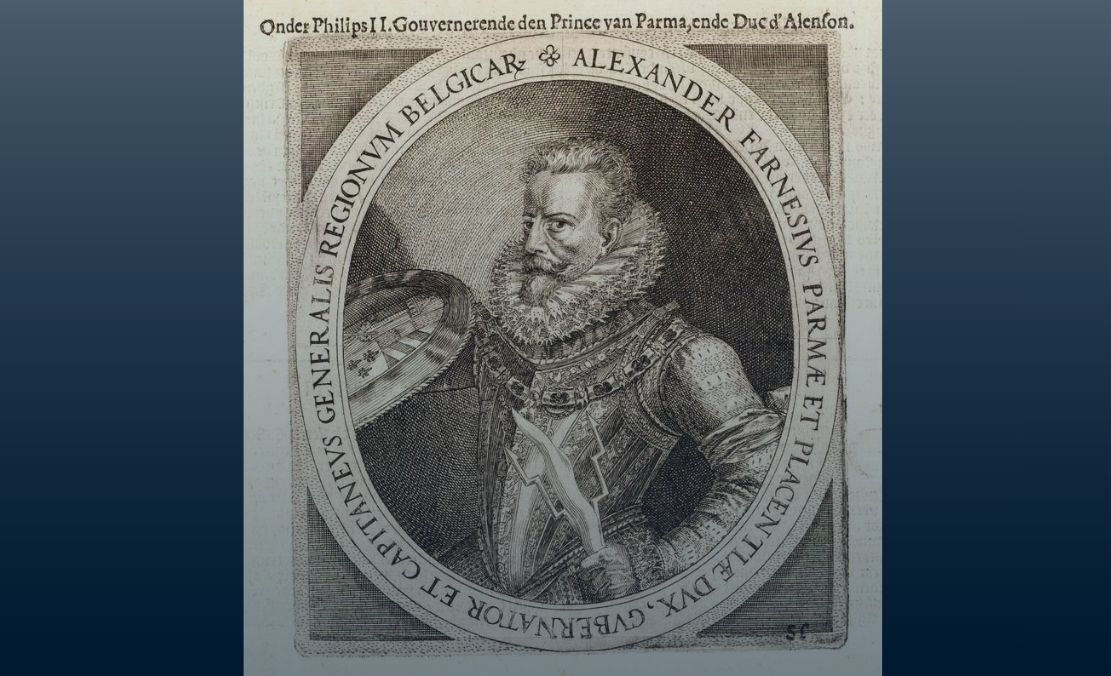
Alexander Farnese, son of Margaret of Parma, was born in Rome on August 27, 1545. As Margaret was the illegitimate daughter of Charles V., Alexander grew up at the Spanish court. When he was fourteen years old, he accompanied his mother to the Netherlands, where she held the office of governor from 1559 onwards. Alexander most likely internalized many things at that time: the institutions and the most important politicians, the reasons for the discontent of the Dutch with the Spanish rule, as well as the fact that most citizens – including the Dutch – generally prefer living in peace. After all, security and a stable currency are more conducive to an increase of wealth than war. Unlike in Germany, religion only played a minor role here.
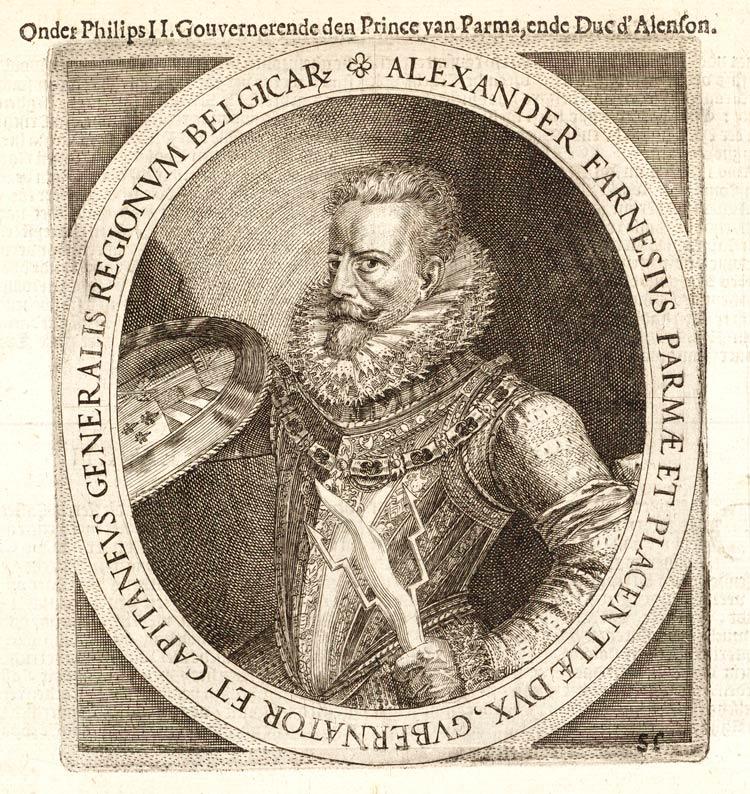
There are several reasons as to why a revolt broke out. The fact that the Duke of Alba was not the right man to prevent its development in the first place was surely one of them. Alba’s inept reign caused even the most peaceful catholic to consider resistance. Don Juan d’Austria, who took over the governorship in 1577, was not any better. Within days, he ruined a laboriously negotiated peace agreement. The victor of Lepanto was too narcistic and impatient to proceed diplomatically. Alexander Farnese, however, was a different man entirely. This cunning politician was patient, of an endearing character and, incidentally, one of the best generals of his time.

Let us consider where the insurgent Netherlands stood politically by looking at the coins: in the Netherlands the coins which were used bore the name of the Spanish king Philipp II. This royal coin was issued for Philipp as Duke of Brabant in Brussels in 1577. The denomination was named ‘Philipsdaalder’ after him as he introduced this type of coin in 1557. It depicts the royal effigy. It was created by Gianpolo Poggini, a Florentine die cutter, who had previously been in the employ of the Medici. He was entrusted with the establishment of a new mint in Brussels.
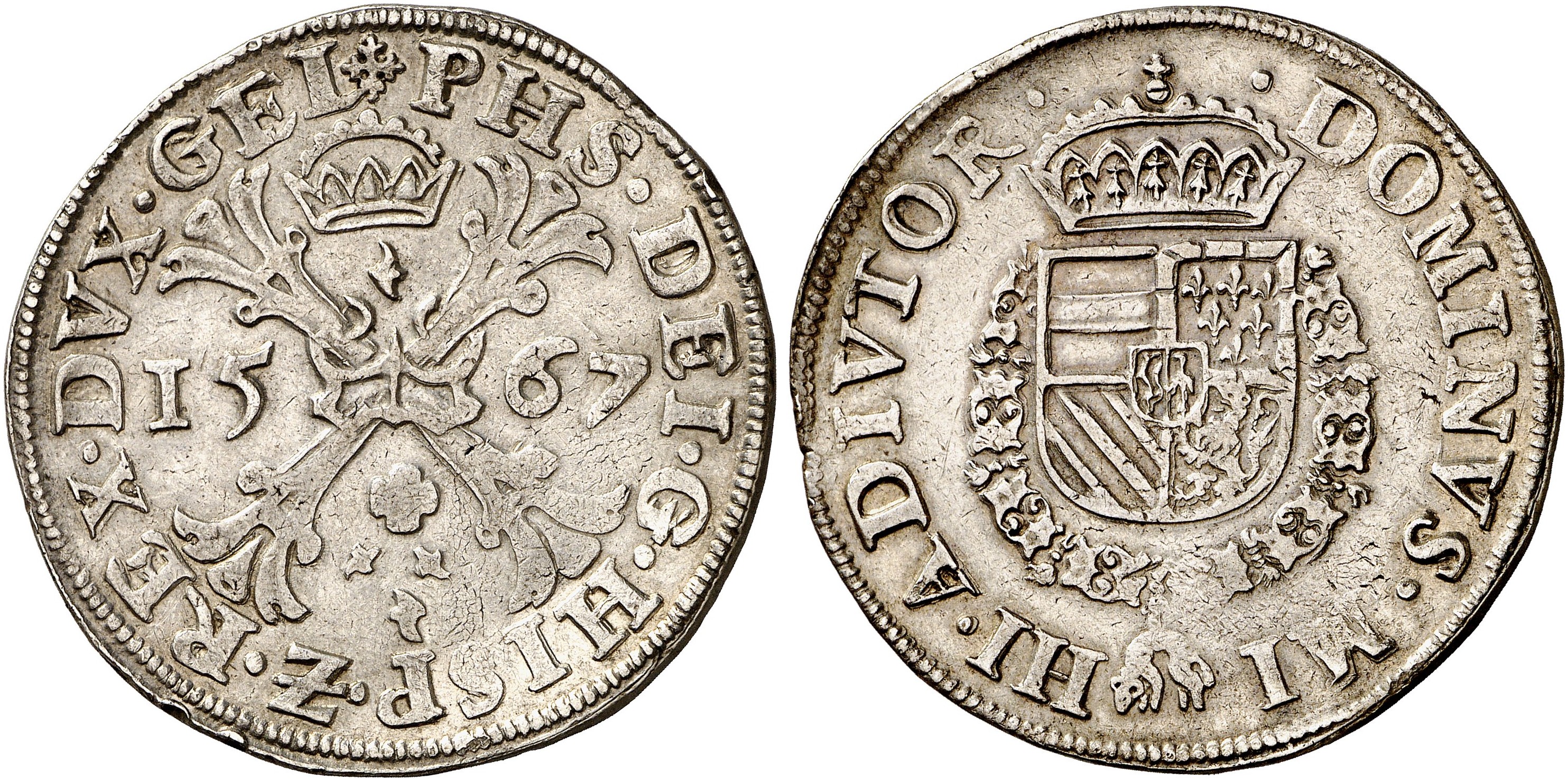
Along with the thalers bearing the effigy of the monarch, the Spanish likewise issued coins which showed the Burgundian cross on the obverse and the Order of the Golden Fleece on the reverse. After all, the Netherlands had traditionally been part of the Burgundian kingdom. The Burgundian rijksdaalder were a little bit lighter than the philipsdaalder and mentioned their minting authority only in the legend. On this coin from the Duchy of Guelders, Philipp is addressed as Duke of Guelders correspondingly.


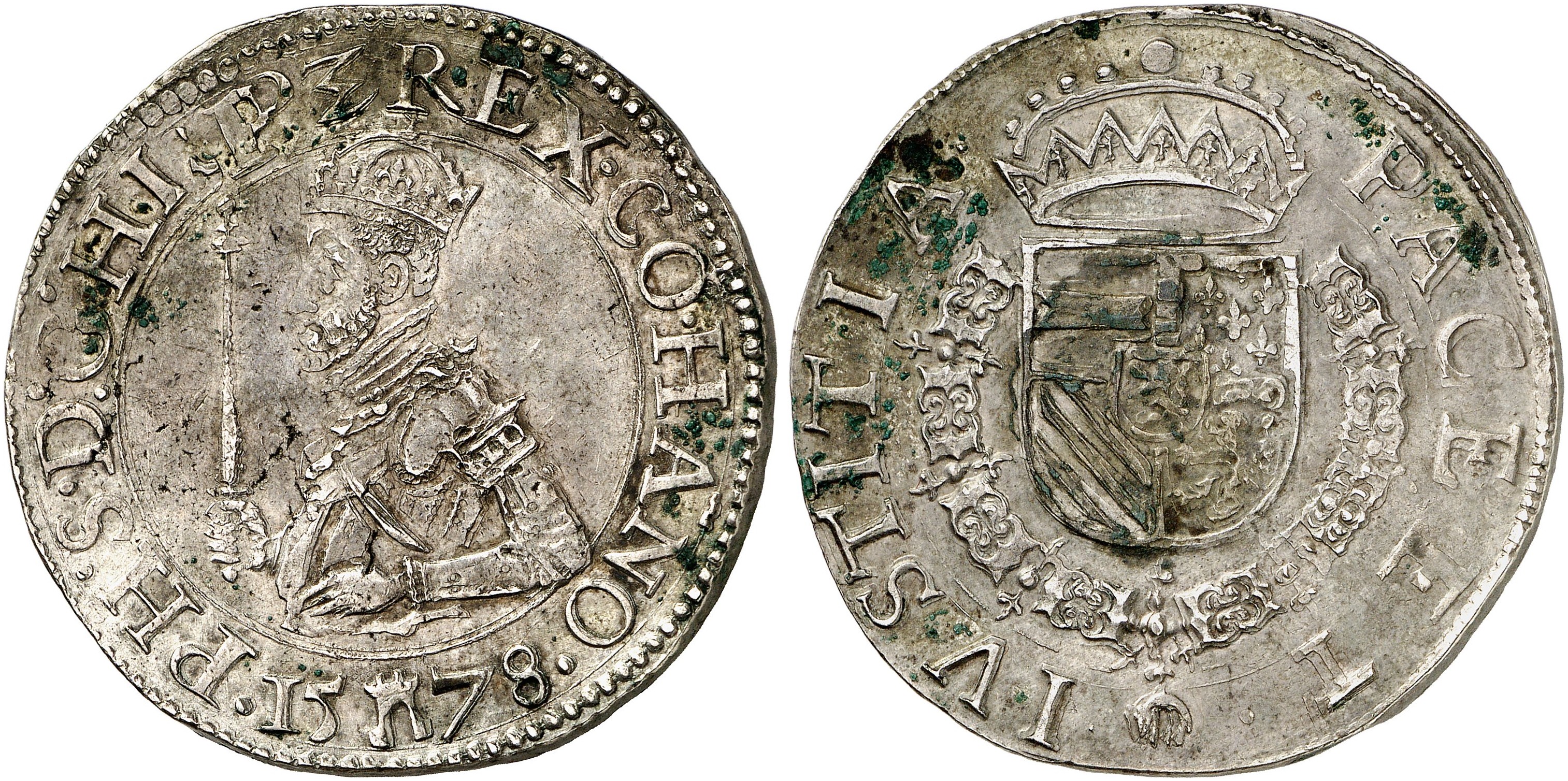
While the Spaniards were paying with philipsdaaldern and rijksdaaldern, the States General – the alliance of states and princes who openly rebelled against the Spanish crown – minted the statendaalder at a weight of 30.47 g and a substantially lower fineness of 750 thousandth. It is remarkable that these coins depict both the image as well as the title of the Spanish king. Consequently, they refer to propaganda which proclaimed that the Dutch fight for freedom was not waged against the Spanish king but his inadequate advisors. Hence William of Orange fought under the motto of ‘Pro lege, rege et grege’ (= for the law, the king, and the people). This would change with the intervention of Alexander Farnese.
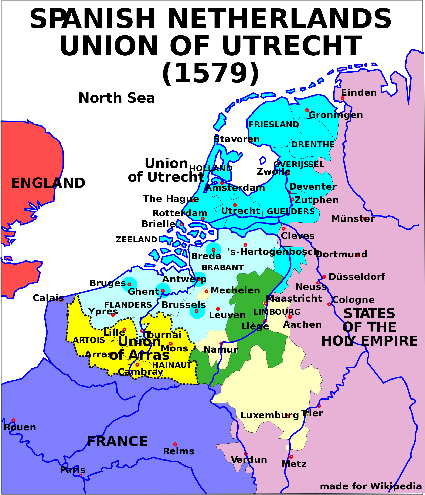
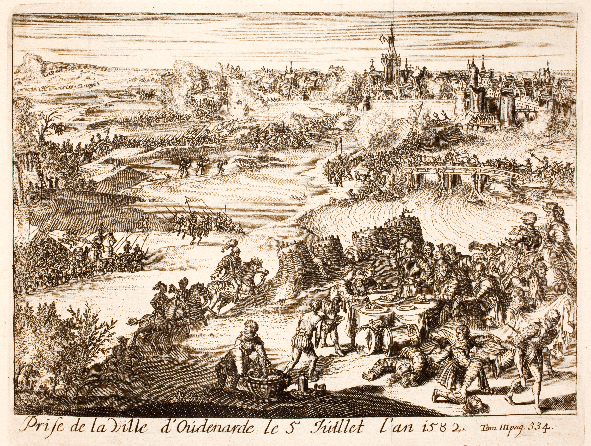
It was as early as the month of his arrival of January 1578 that he achieved a first decisive victory. Shortly after, he conquered Leuven, causing the States General to withdraw to Antwerp. The Calvinistic minority made use of these events by seizing control of several Flemish towns. This in turn triggered fears among the nobility of the neighboring Artois and Hainaut that their properties, too, would be seized by the Calvinists. A fortunate coincidence came to the aid of the Spaniards: the undiplomatic Don Juan died on October 1st, 1578 and it was Alexander Farnese who assumed the negotiations. This led to the formation of the Union of Arras on January 6th, 1579 and its alliance with the Spaniards. The latter occurrence was answered to with the formation of the Union of Utrecht by the insurgent towns.
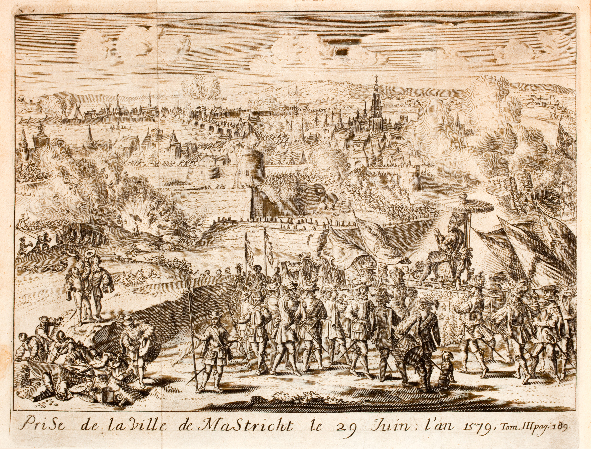
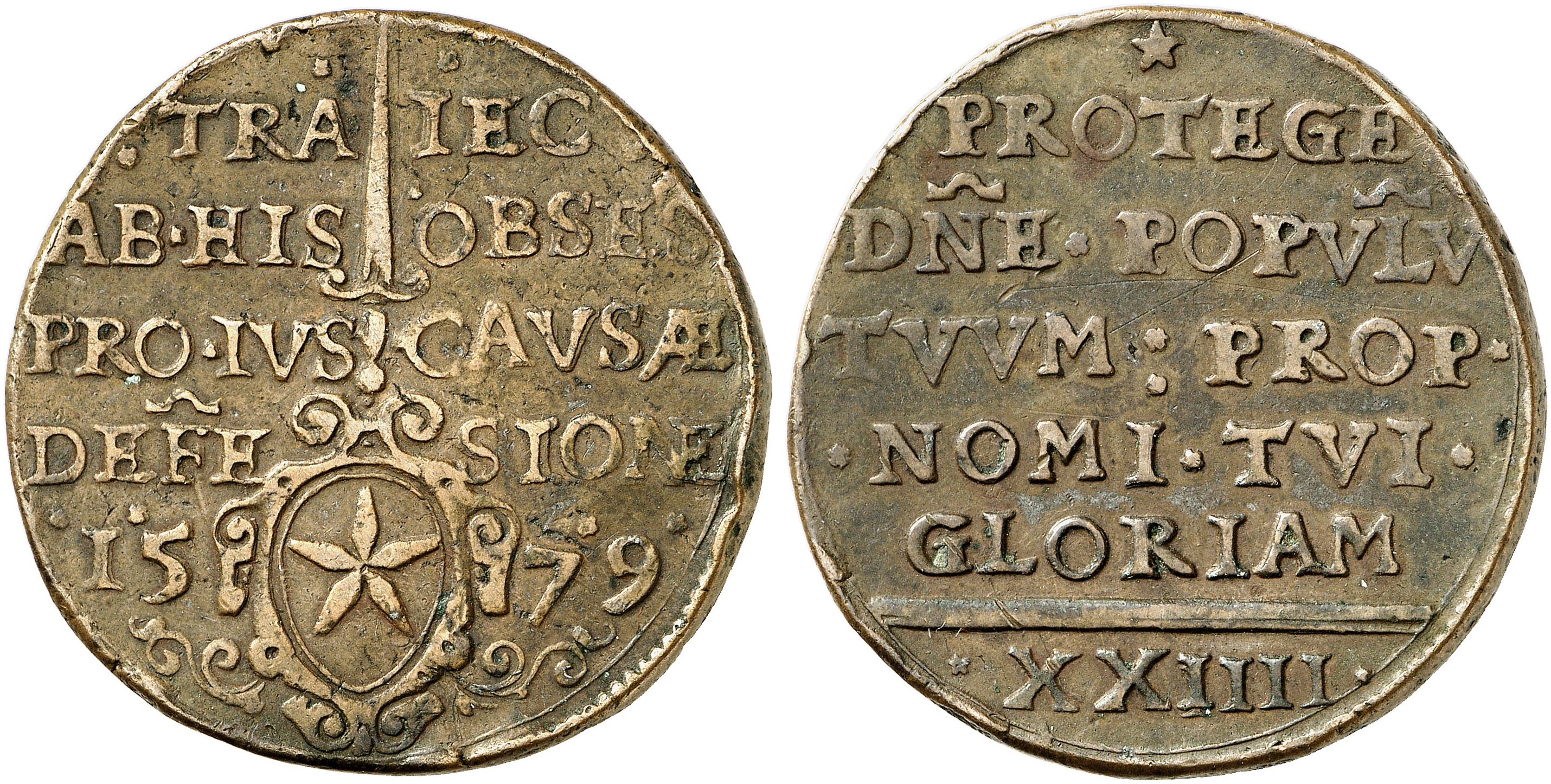
At this point peace was almost established – the different parties involved were negotiating conditions in Cologne. The seizure of Maastricht at the hands of Alexander Farnese in June of 1579, however, caused a certain degree of cockiness among the Spanish envoys. They increased their demands to such an extent that the Dutch could not possibly comply with them. This turned out to be a wasted opportunity as Philipp II. suddenly had different priorities in 1580. He was planning on conquering Portugal and thus Alexander Farnese had to send his 5,500 Spanish soldiers to the Iberian Peninsula.
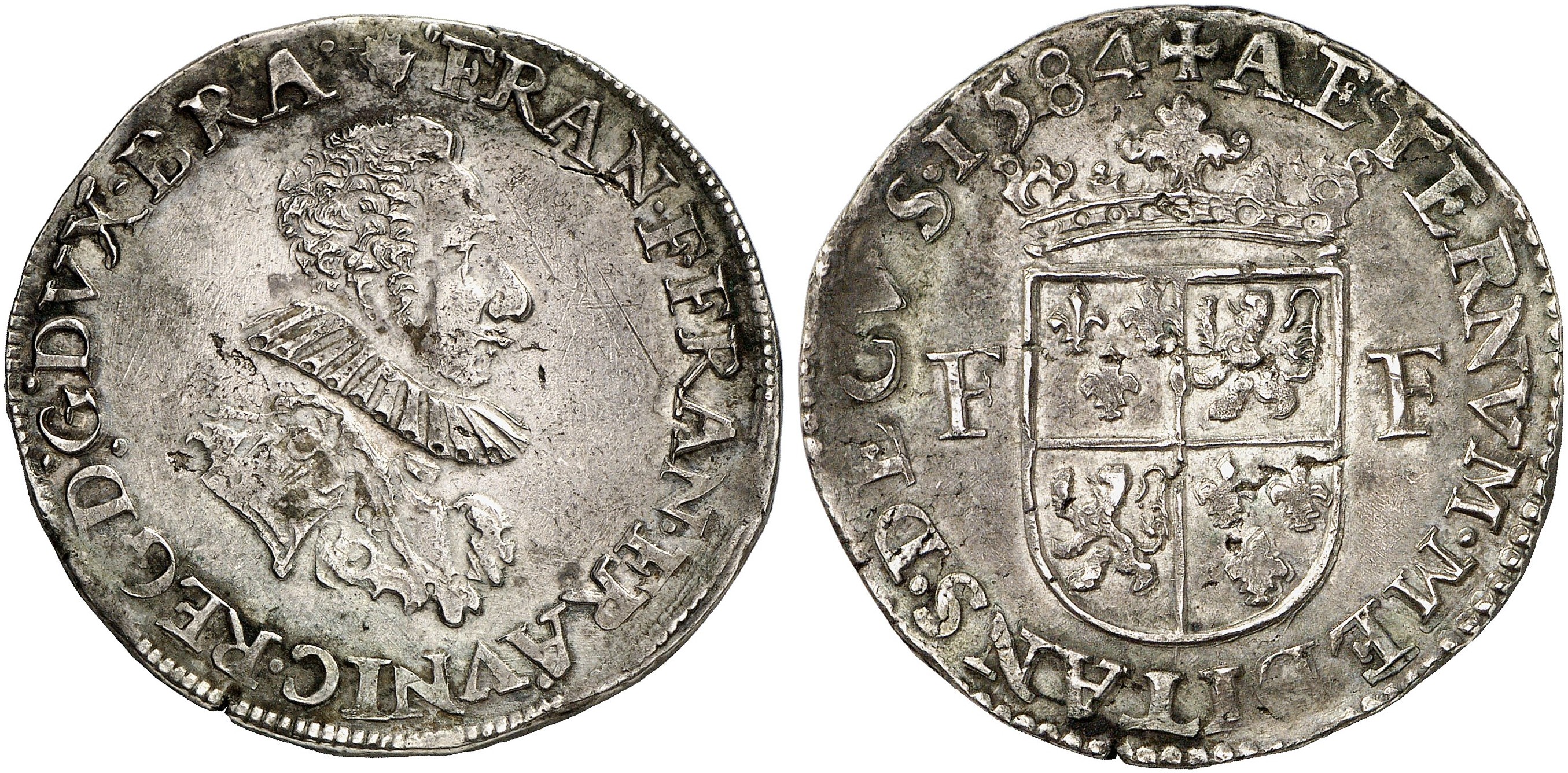
Meanwhile, the insurgent Dutch towns were frantically seeking the support of a foreign power whose resources would match up to those of the Spaniards. France was generally considered the archenemy of the Habsburgs. After an initial inquiry a treaty was signed on September 29th, 1580 which made Francis, duke of Anjou and Alençon, the French king’s younger brother, the “Protector of the Liberty of the Netherlands”. The assembly of the States General thus made the decision to “leave” the Spanish king for Francis’s 10,000 soldiers. It was only then that the façade of attempting to come to an arrangement with the Spanish king was dismissed.
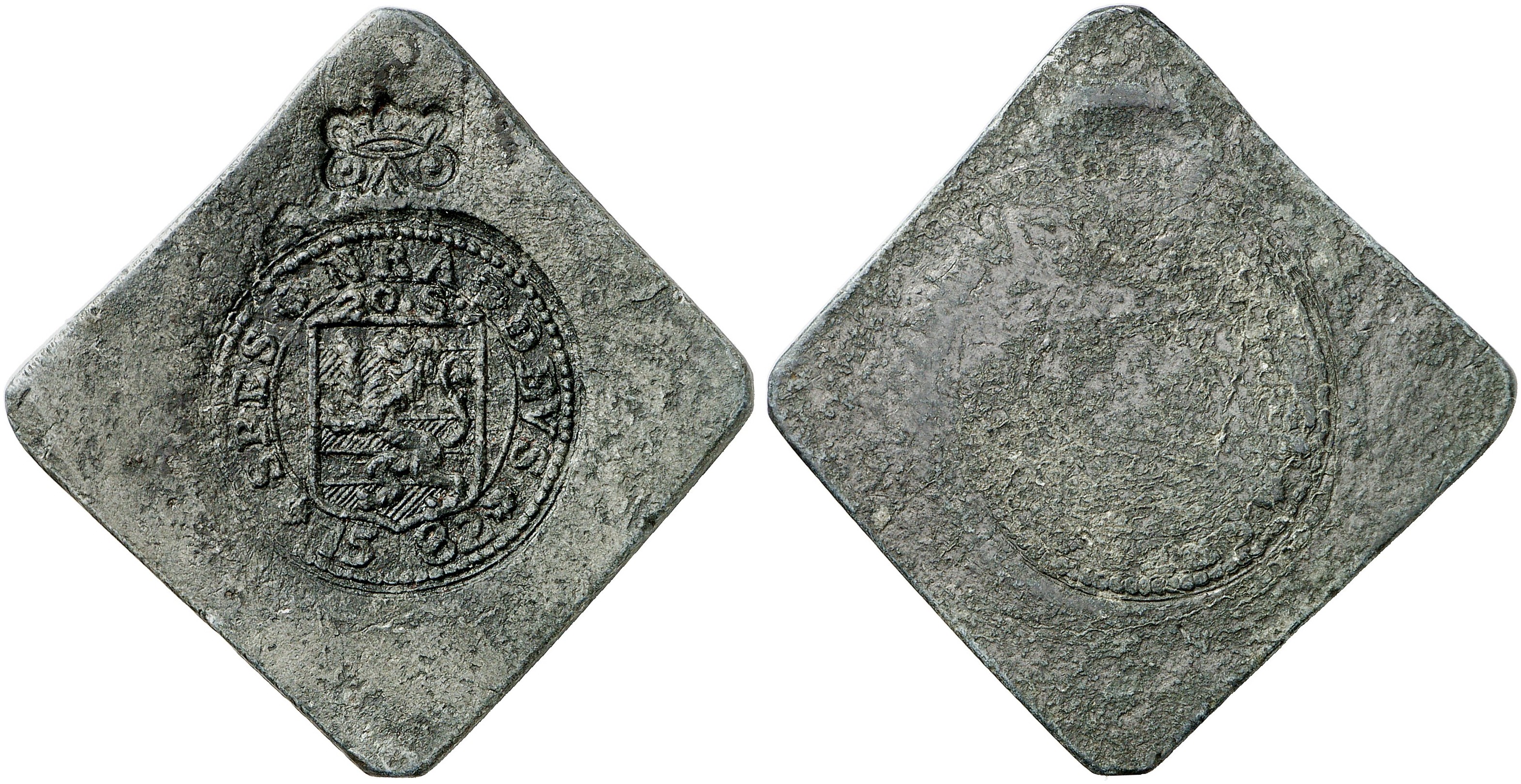
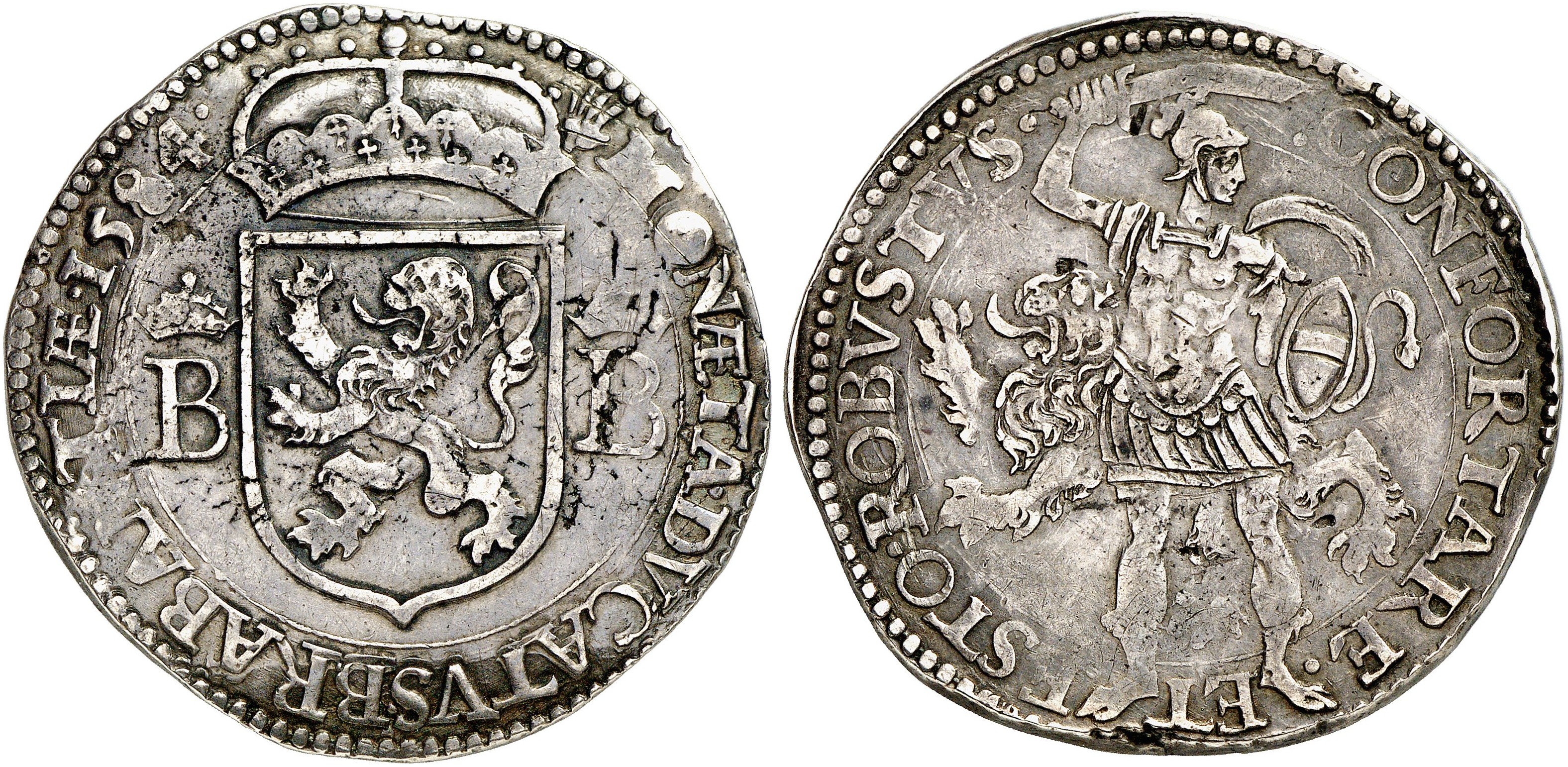
When said 10,000 soldiers finally arrived, it became apparent that Francis of Alençon did not primarily have the Netherland’s wellbeing in mind, either. He wanted to rule and thus attempted to seize control of the allied town of Antwerp. The Antwerpians had been warned in advance and, much to their surprise, massacred the invading French soldiers. Francis returned to France – and Antwerp celebrated the independent Republic of Brabant on their coins. In accordance with their legend they are denoted as ‘Robustus Daalder’. The quote found on this thaler was taken from the Book of Joshua and can be translated as “Be strong and brave”. A total of 34,715 of these thalers were produced between September 1584 and June 1585.
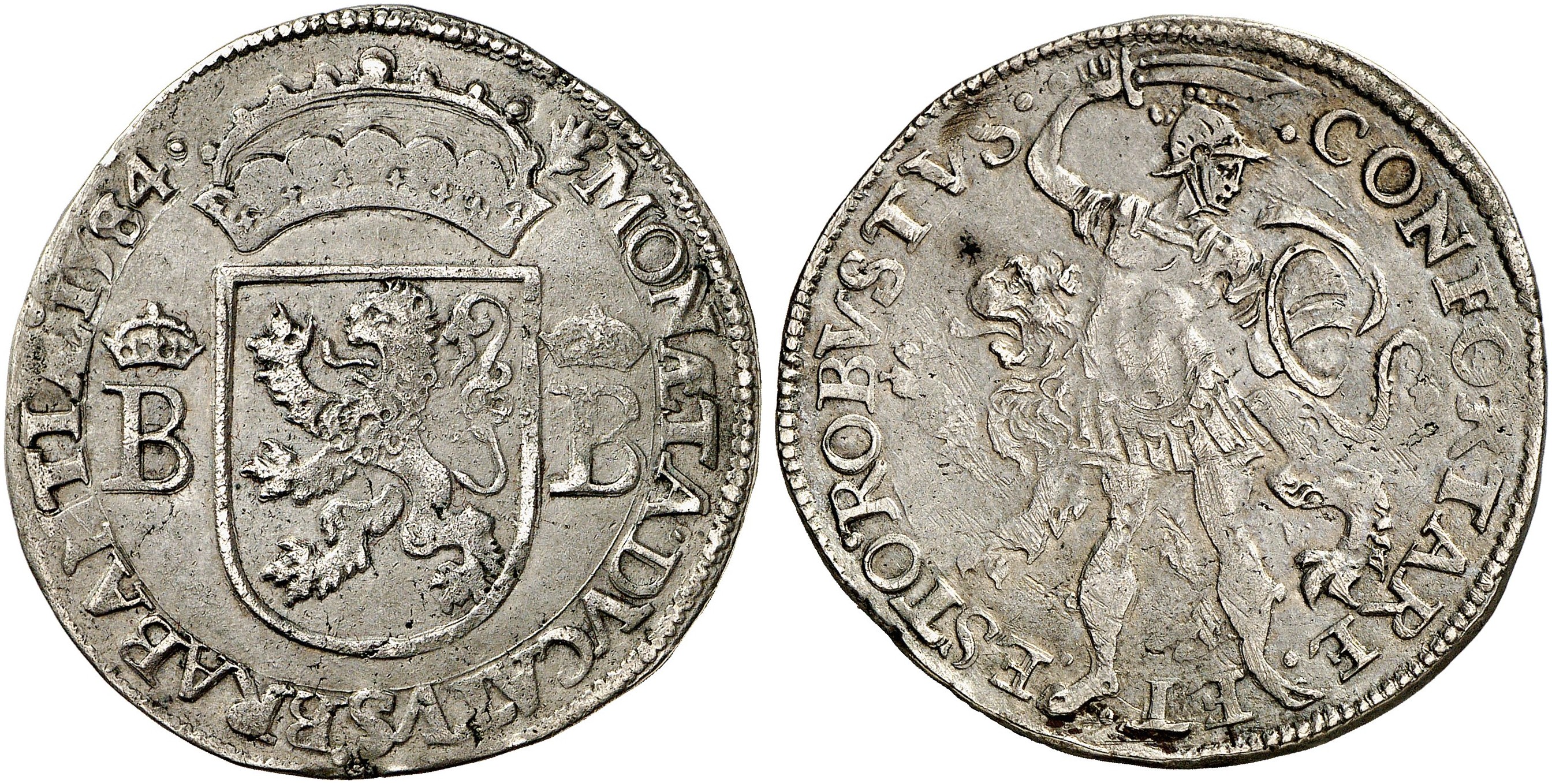
The half Robustus thaler is more frequent. A total of 288,145 were issued. As these coins were being minted, Alexander Farnese was already sieging the town.
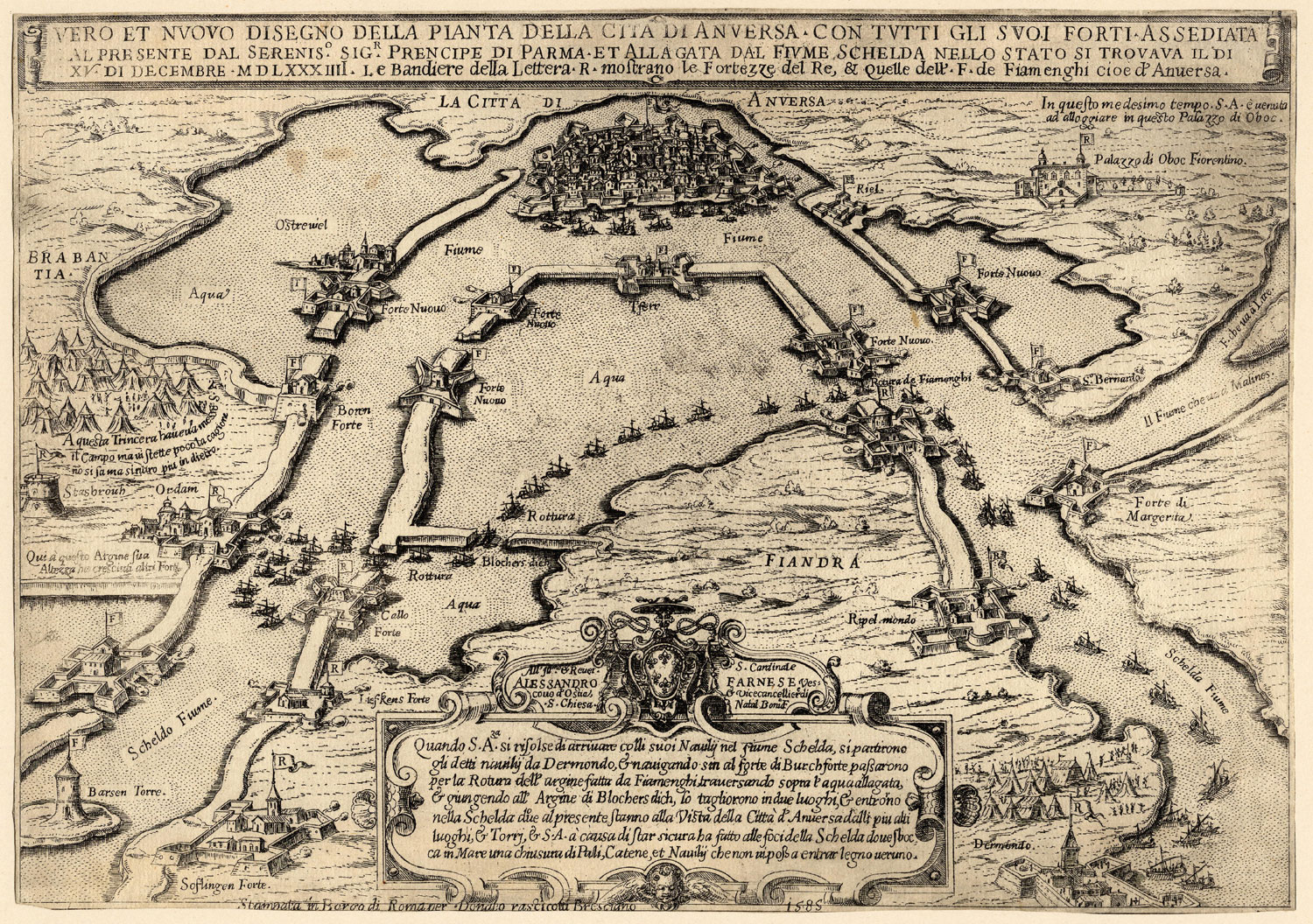
Here his engineers produced their masterpiece. In order to completely invest the town located at the river Scheldt, they built a pontoon bridge which neither the usual flooding nor incendiaries could demolish. The citizens of Antwerp surrendered on August 17th, 1585.

At this point, William of Orange was dead – he had been murdered by a catholic adherent of Philipp II. Ypres and Bruges likewise surrendered to Alexander Farnese: the former after a six-month siege, the latter without ever commencing a fight. This was due to the fact that Alexander relied on favorable peace conditions and thus prevented a months-long besiegement as it had occurred under the rule of the Duke of Alba.
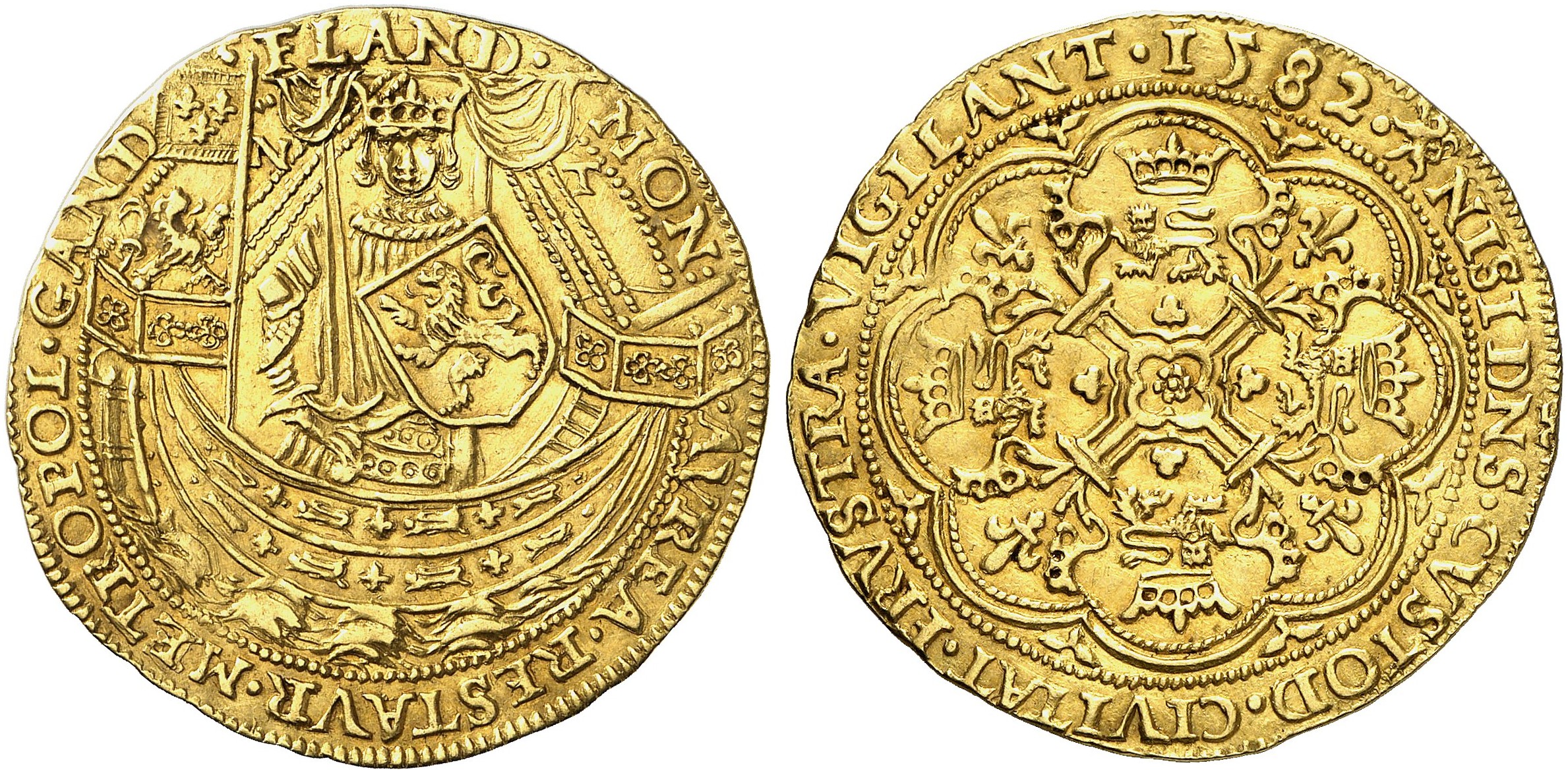

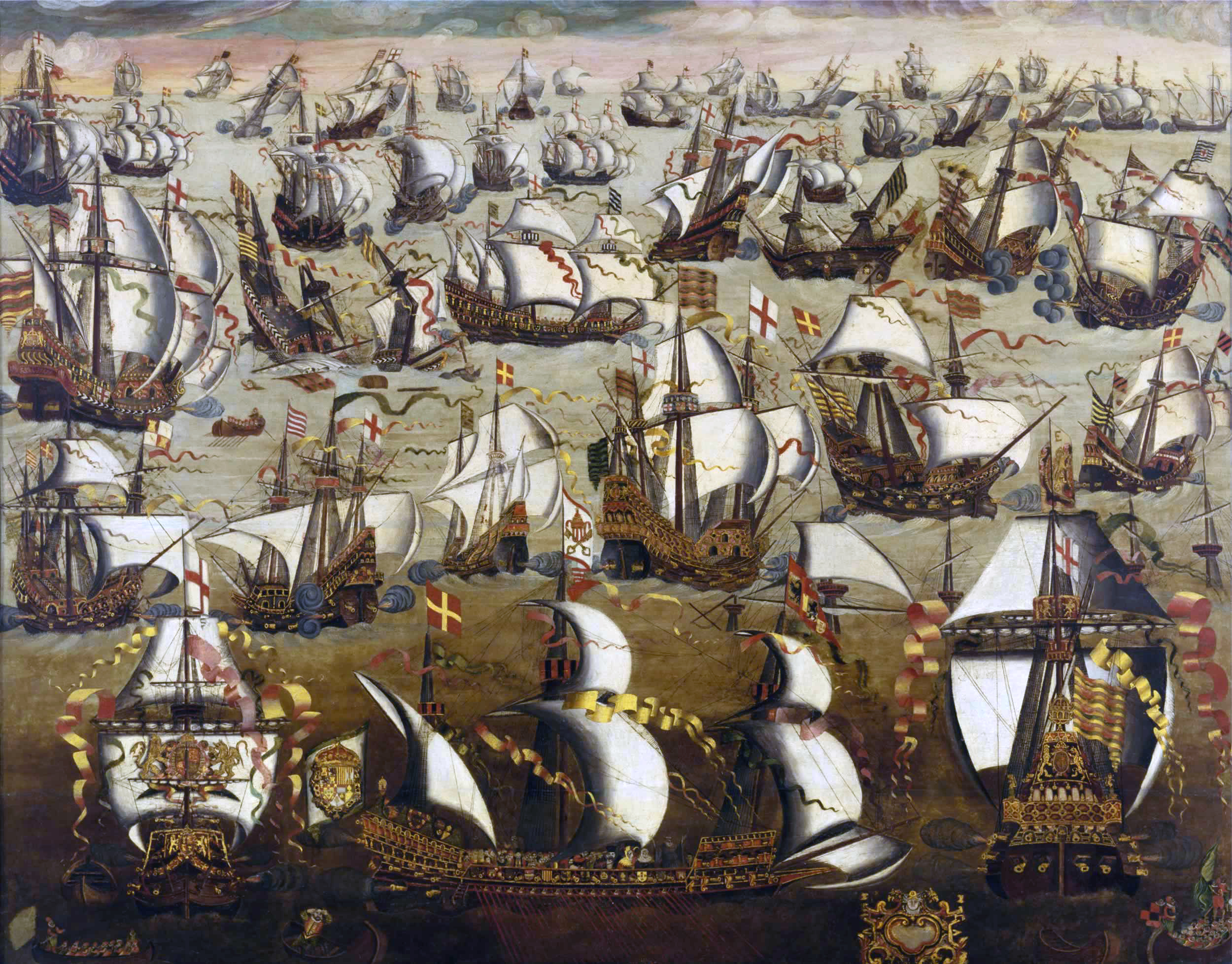
By this point, Alexander Farnese probably could have returned the Netherlands to Spanish command entirely, if it had not been for further international developments: it was now the English Queen Elizabeth I. who intervened. Philipp II.’s attempt to prevent her from any other intervention by sending out his Spanish armada failed miserably. Alexander Farnese was withdrawn from the Netherlands in order to come to France’s aid in preventing the Huguenot Henry IV. from inheriting the French throne. These circumstances allowed the States General to reorganize themselves while their greatest adversary Alexander Farnese invaded Paris and later died in Arras in 1592. His successors were not of the same caliber. They came and they left, until the Eighty Years’ War ended with the Peace of Westphalia and the subsequent international recognition of the Republic of the United Netherlands in 1648.