Numismatic Publications
The Mediation of Frederick Wilhelm in the second English-Dutch war

Numismatic Publications

136 articles
The Mediation of Frederick Wilhelm in the second English-Dutch war

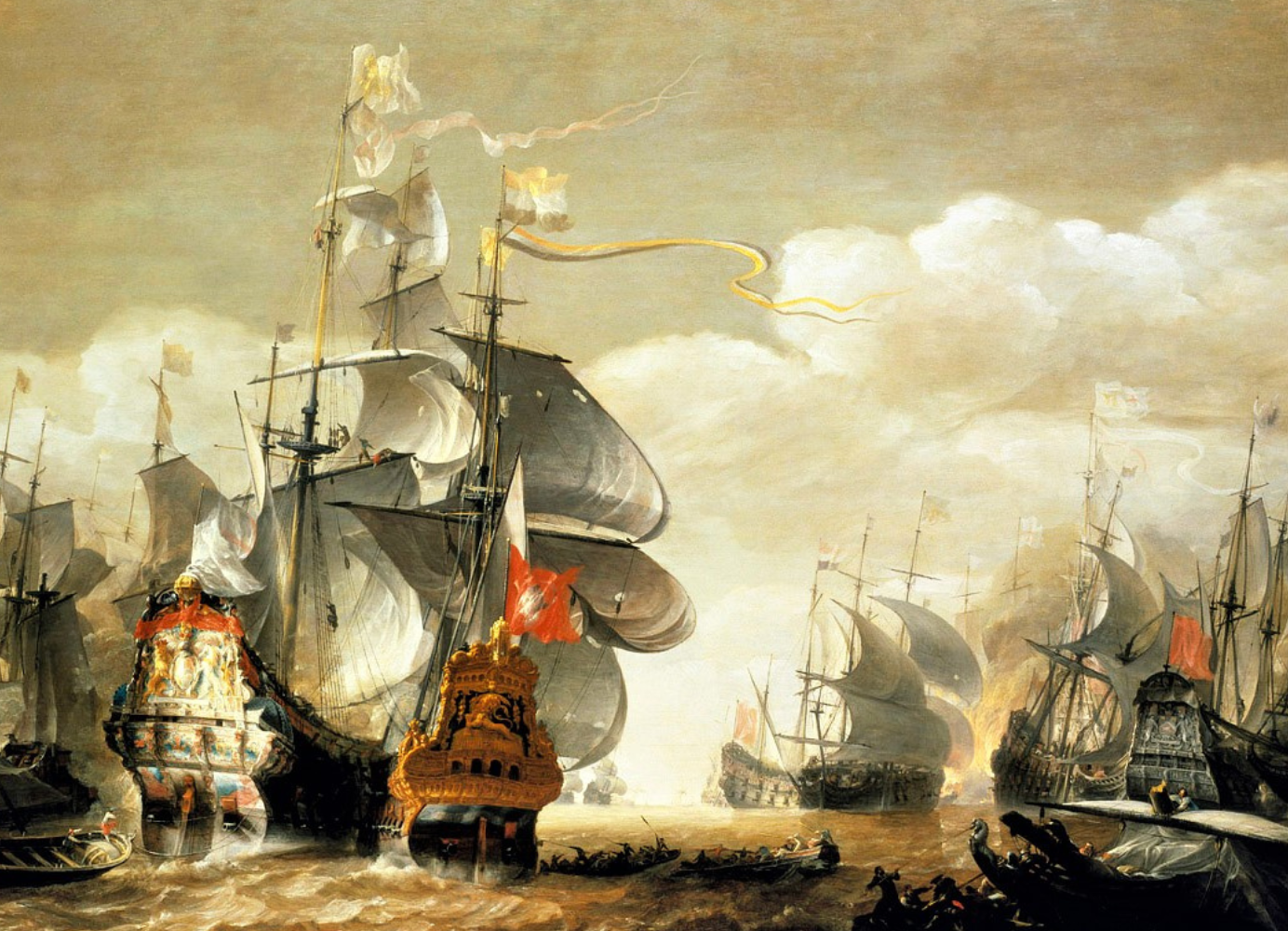
During the 17th century, the United Provinces of the Netherlands and Great Britain fought several naval wars over supremacy on the world’s oceans. In the First Anglo-Dutch War (1652–1654), England had emerged victorious and was therefore able to dictate the terms of peace. In addition, privateering expeditions had more than doubled state revenues. For the new English king Charles II (1660–1685) in particular, this prize money was of immense importance, since the additional income enabled him to pursue policies independent of Parliament. A renewed naval conflict therefore appeared attractive. Beginning in 1663, privateering expeditions were sent against Dutch colonies, and by the end of 1664 Dutch ships in the English Channel were also being seized. It was during this period that Nieuw Amsterdam became New York. The Dutch dispatched a fleet in an attempt to recapture their colonies, as overseas trade had suffered enormously.

Read more
The European Trauma: Emperor Napoleon I Bonaparte

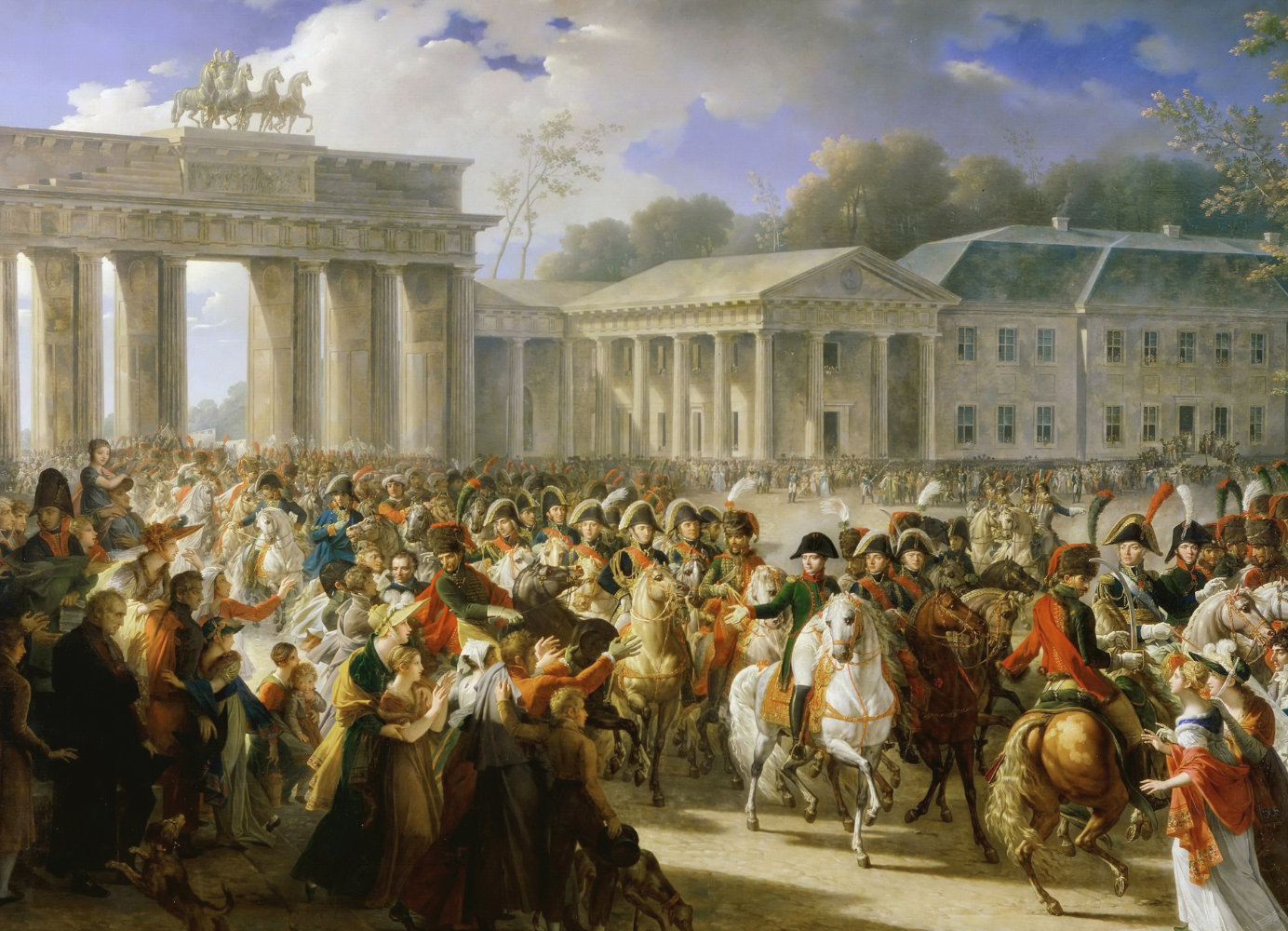
On 14 October 1806, the Prussian troops suffered a devastating defeat against Napoleon’s French citizen army in the twin battles of Jena and Auerstedt. Around 33,000 Prussian soldiers paid for the king’s overconfidence with their lives or their health. Trusting in the strength of the Prussian army, Frederick William III had issued an ultimatum to France. The defeat now demonstrated that the Prussia of Frederick the Great had definitively become a thing of the past. But what was to happen next?

Read more
Queen Louise: Mother and Myth

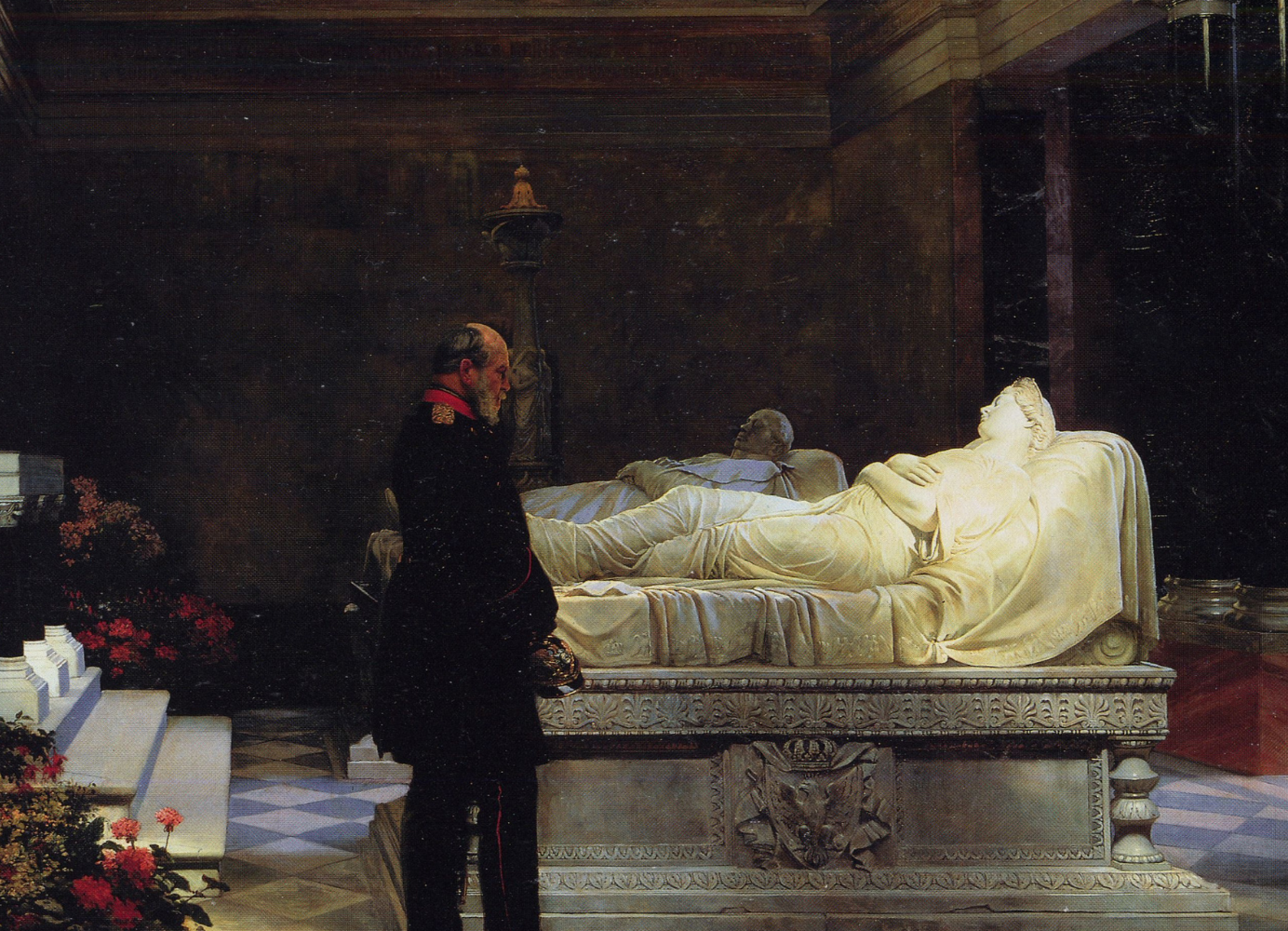
“If Queen Luise had arrived at the beginning of the negotiations in Tilsit, she would have had greater influence on the outcome.” This compliment came from Napoleon himself. After her early death, Luise would become an icon of the Prussian will to resist. For Frederick William IV and William I, she was the beloved mother for whose premature death they held Napoleon responsible.

Read more
United Against France

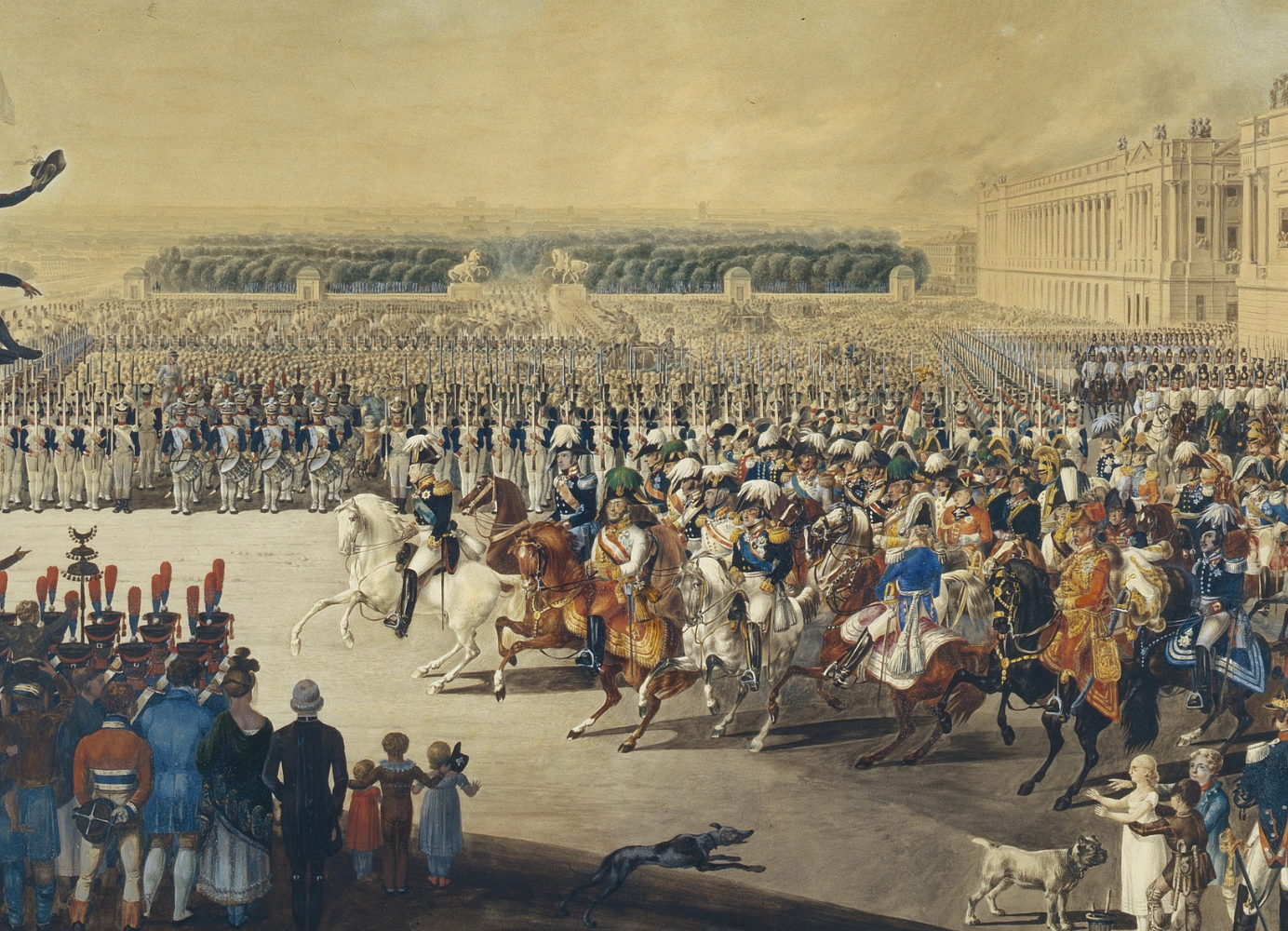
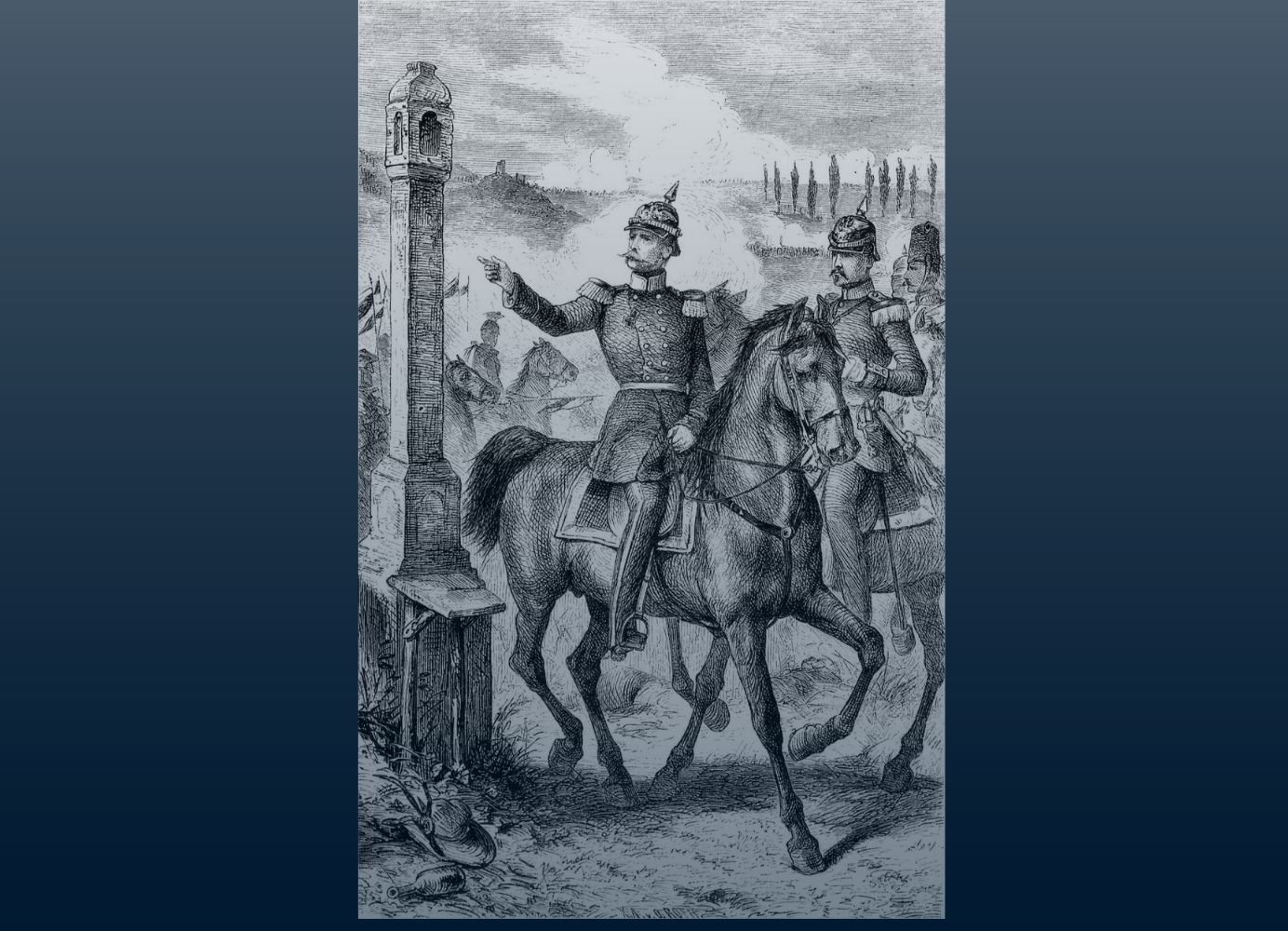
On 31 March 1814, King Frederick William III of Prussia entered Paris at the head of the allied troops together with Tsar Alexander I of Russia and the commander-in-chief of the Austrian forces, Field Marshal Karl Philipp Prince of Schwarzenberg. Riding behind him was the 17-year-old Prince Wilhelm, the king’s second-born son, who had been destined for a military career. It was a proud moment for the victors, commemorated by numerous medals. 

Read more
Frederick William III and the Watchmakers of La Chaux-de-Fonds

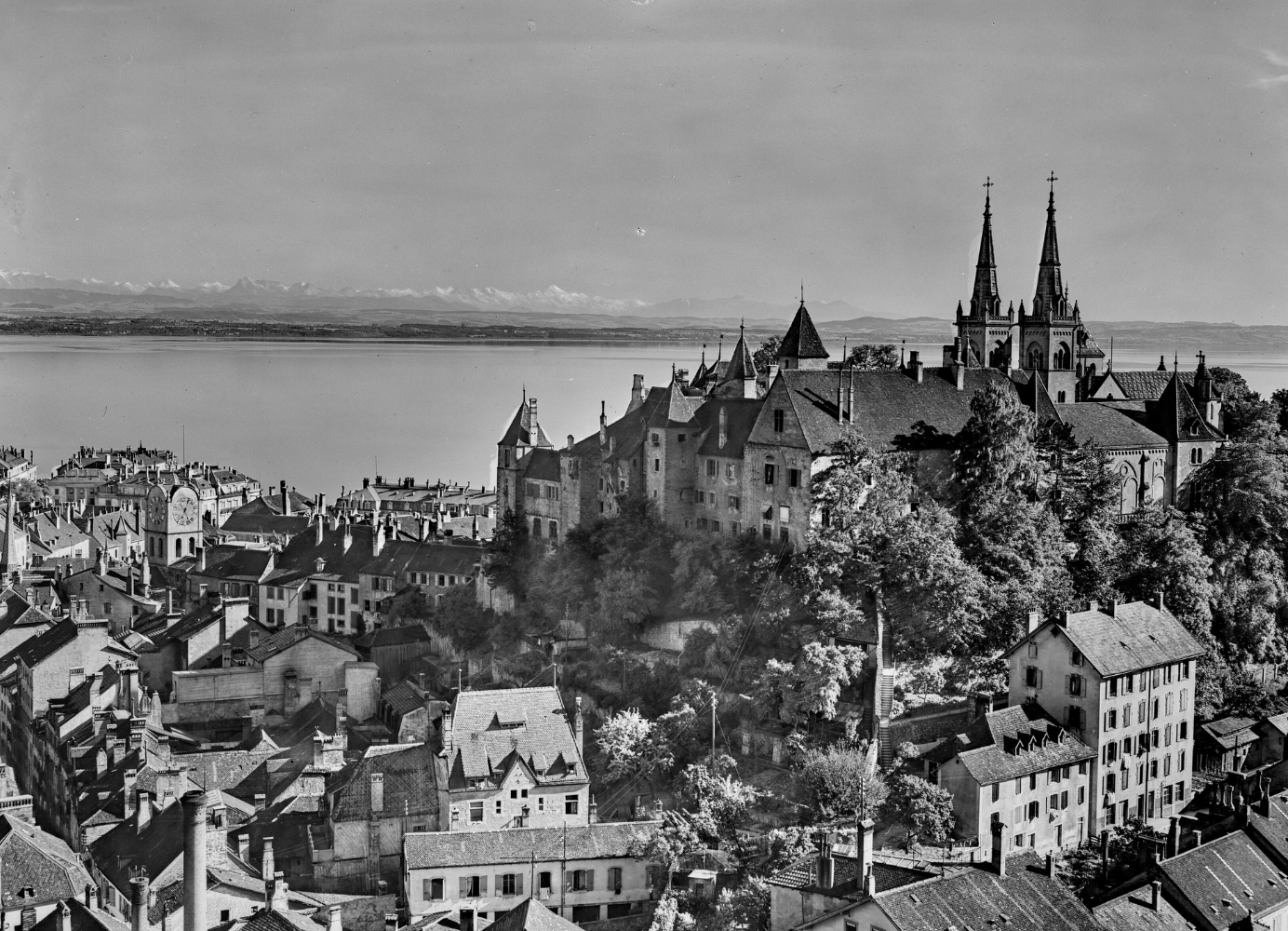
Since 1707, Neuchâtel had belonged to Prussia. Its kings governed the principality in personal union. The geographical distance made it easy for local administrators and governors to mediate between the interests of the sovereign residing in Berlin and the citizens of Neuchâtel. When Napoleon forced King Frederick William III to renounce the throne of the principality, this represented a significant deterioration in the political and economic situation of Neuchâtel's inhabitants.

Read more
Russia – The Most Important Ally

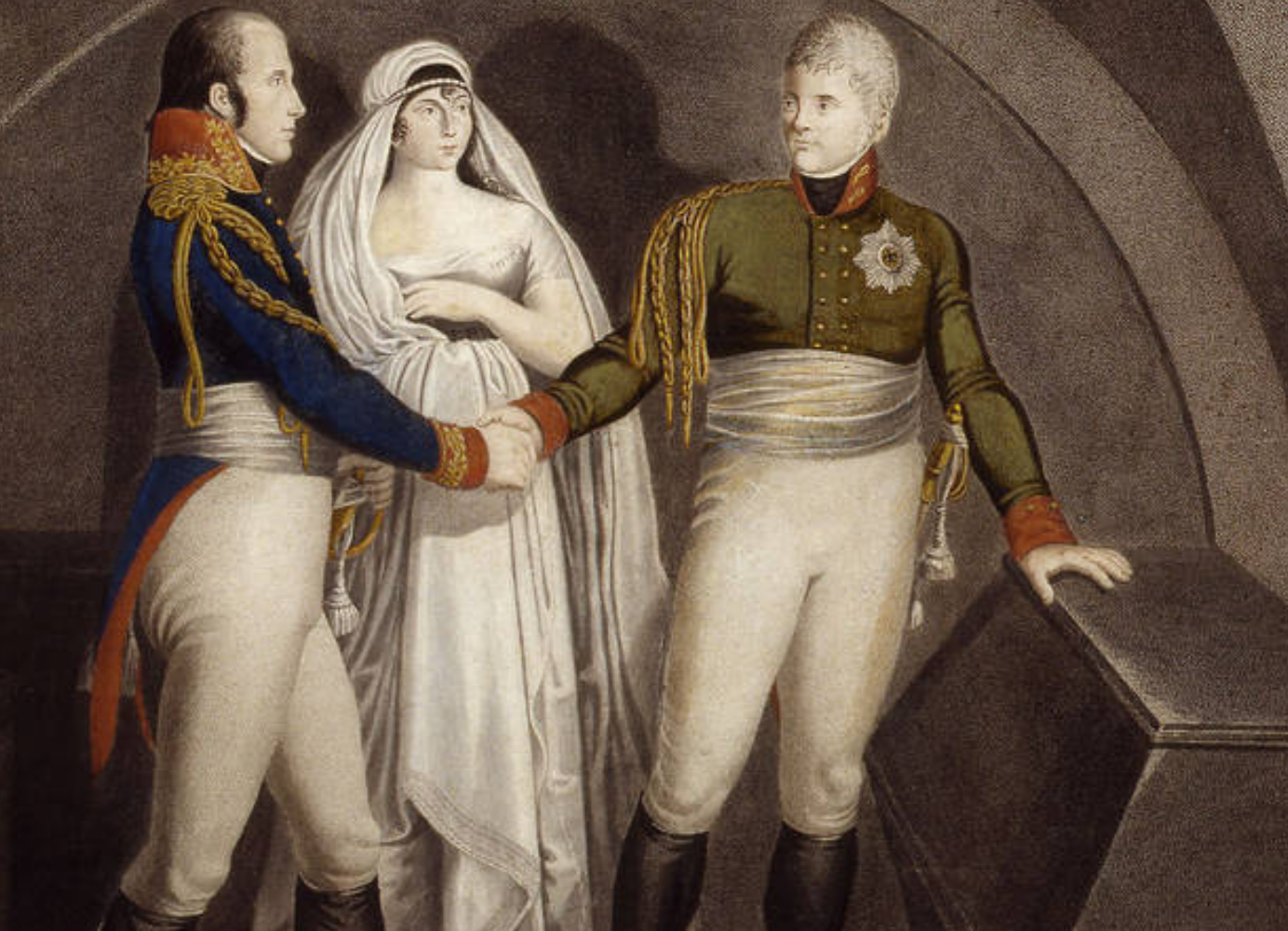
From 10 to 16 June 1802, just a few kilometres from the Russian-Prussian border, Frederick William III and his wife Louise met with Alexander I — who had ascended to the throne only a year earlier — in Memel. This was something remarkable: it was the first meeting between a tsar and a Prussian ruler since Peter the Great had exchanged "Tall Fellows" with Frederick William I for the Amber Room in 1716.

Read more
The Reformation Medal of the City of Berlin

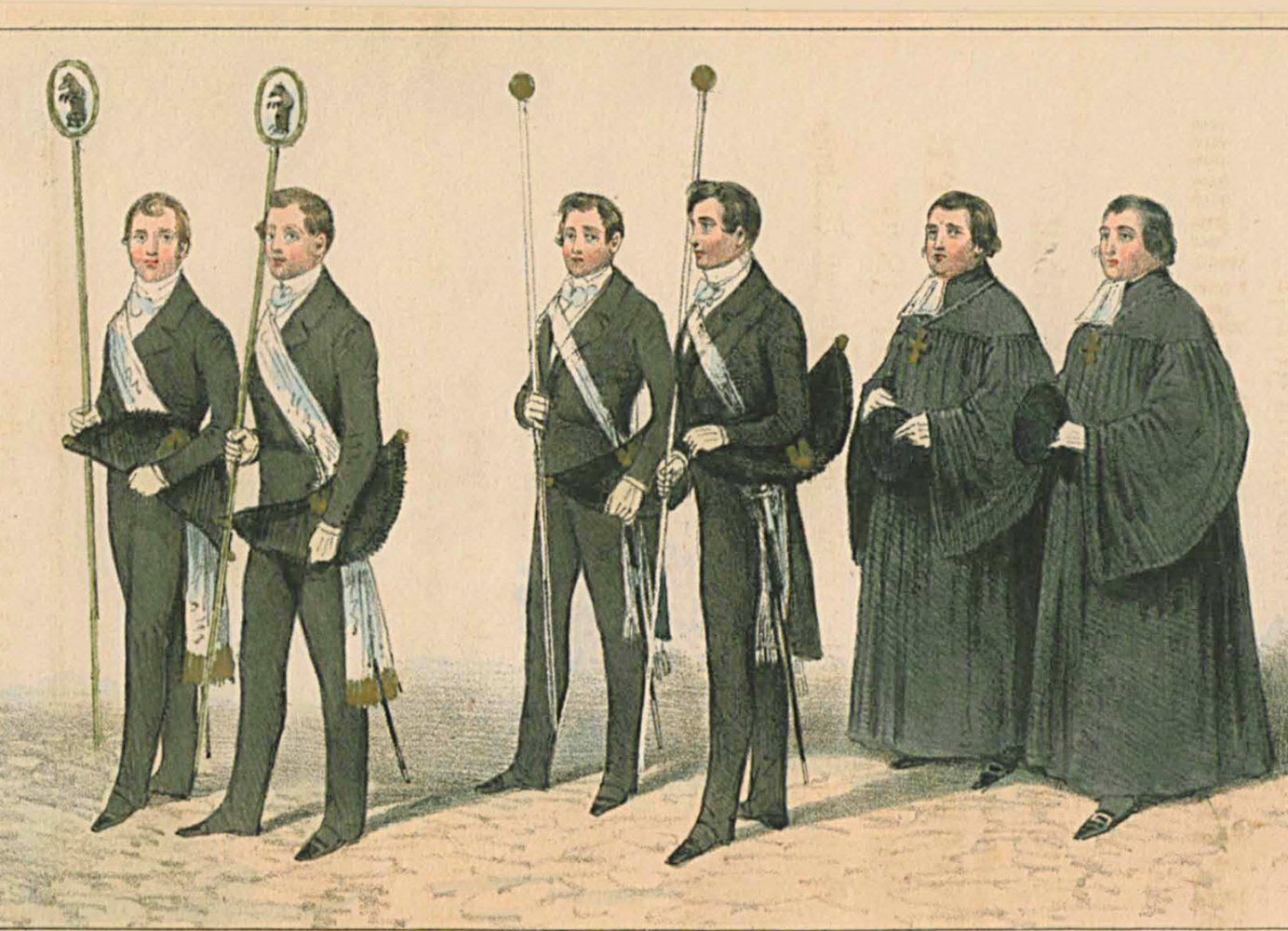
Official medals frequently play a role in the ceremonial surrounding significant events. Rarely can we grasp this role as clearly as in the case of the medal struck by the city of Berlin on the occasion of the 300th anniversary of the Reformation. This was very much in keeping with the times: in many states during the nineteenth century, the organisation of Reformation jubilees passed from governmental into civic hands. With broad participation from the population, the festival was staged from 1 to 3 November 1839 as an act of faith.

Read more
From Frederick William III to Frederick William IV

On 7 June 1840, Frederick William III died in Berlin at the age of 69, after 43 years of reign. With his death, an era came to an end. Only the reigns of Frederick II and the Great Elector had been longer.

Read more
An Alternative to the Pour le Mérite for the Sciences and Arts

On 31 May 1842, Frederick William IV founded the Peace Class of the Order Pour le Mérite, at the suggestion of Alexander von Humboldt, under the designation Pour le Mérite for Sciences and Arts. The order was intended to honour outstanding figures in the humanities, the natural sciences, and medicine. Membership was restricted exclusively to men. Appointments were made on royal recommendation but required the consent of the order's existing members.

Read more
Times of Drastic Change

The lives of Germans changed radically in the first half of the nineteenth century. This transformation produced both winners and losers. Medals such as Lot 150 are to be understood from the perspective of the winners.

Read more
Humboldt’s Cosmos on a Medal

There can scarcely be a medal of greater significance for the history of research in the nineteenth century. It honours the outstanding achievements of the most celebrated natural scientist of that era, whose publications continue to shape our thinking to this day.

Read more
A Silver Wedding Jubilee in Difficult Times

Sometimes the absence of information on a medal speaks more eloquently than the imagery itself. Were we not already aware of the circumstances, we would never suspect that — while those responsible for creating it were at work — a revolution was shaking the Hohenzollern monarchy. The Silver Wedding of the royal couple became an occasion for loyalist Prussia to express its devotion to the crown.

Read more
The Radicals’ Scapegoat, the Conservatives’ Role Model, the Nationalists’ Hope

When we wish to reconstruct history, the central problem is that we already know how it ends. We therefore focus above all on the forces to which each era assigned the leading role. This frequently leads to an overestimation or misinterpretation of the significance of personalities or social developments from the perspective of later generations. An important example of this is provided by the radical democrats of 1848.

Read more
A Myth is born: The Monument to King Frederick the Great in Berlin

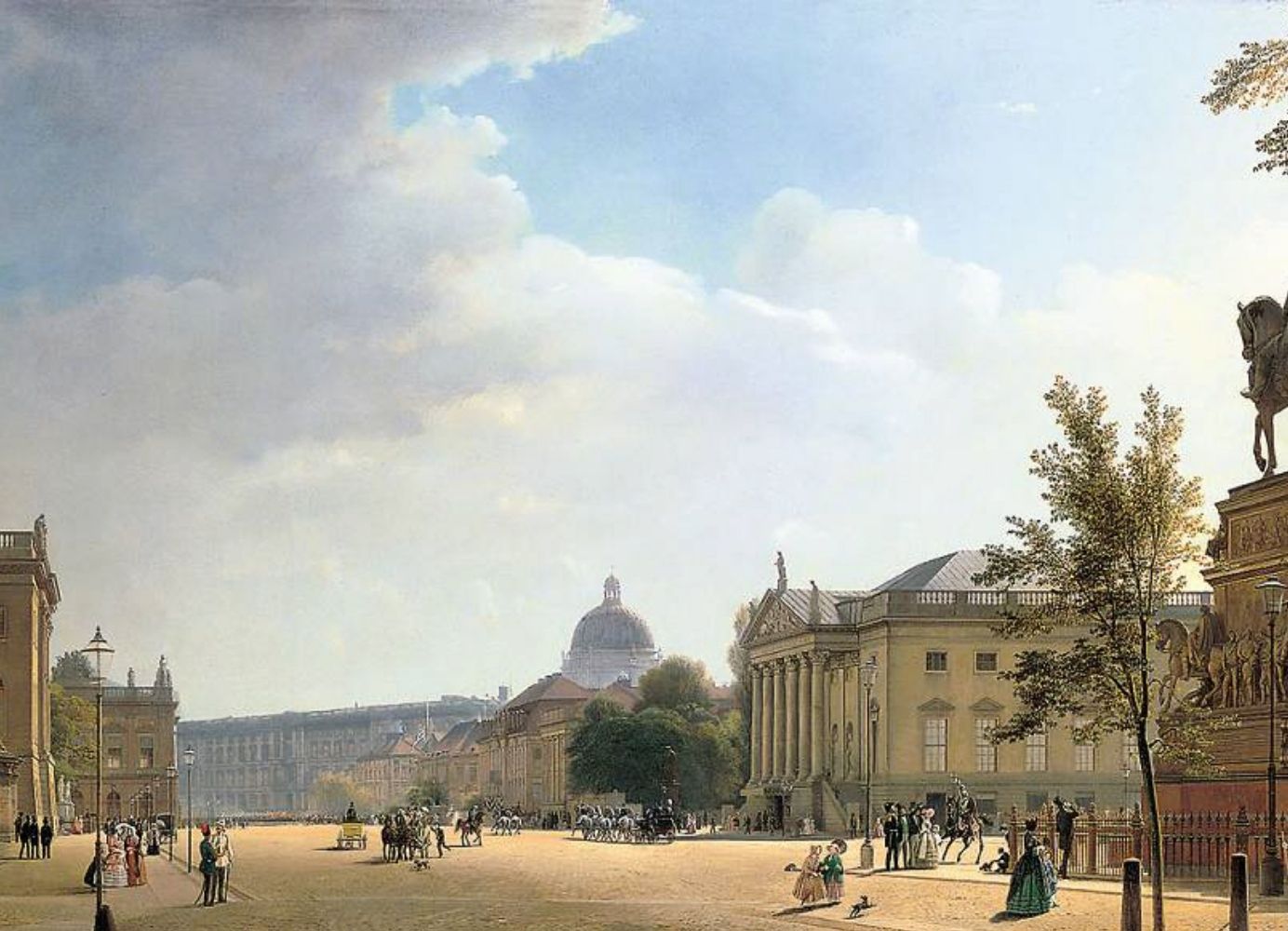
When the knighthood of the Province of Brandenburg travelled to Berlin on the occasion of the act of homage in 1840, they were offered a particularly special form of entertainment. In twelve tableaux vivants, the entire history of Prussia was presented before them. The reason this merits mention here: three of the twelve scenes were dedicated to Frederick II, while the other royal ancestors were allotted only a single scene each. After more than fifty years, the Hohenzollerns were thus once again invoking an era of military strength and cultural prestige. Frederick II became the model for their own political aspirations.

Read more
The Woman by His Side: Augusta of Saxe-Weimar-Eisenach

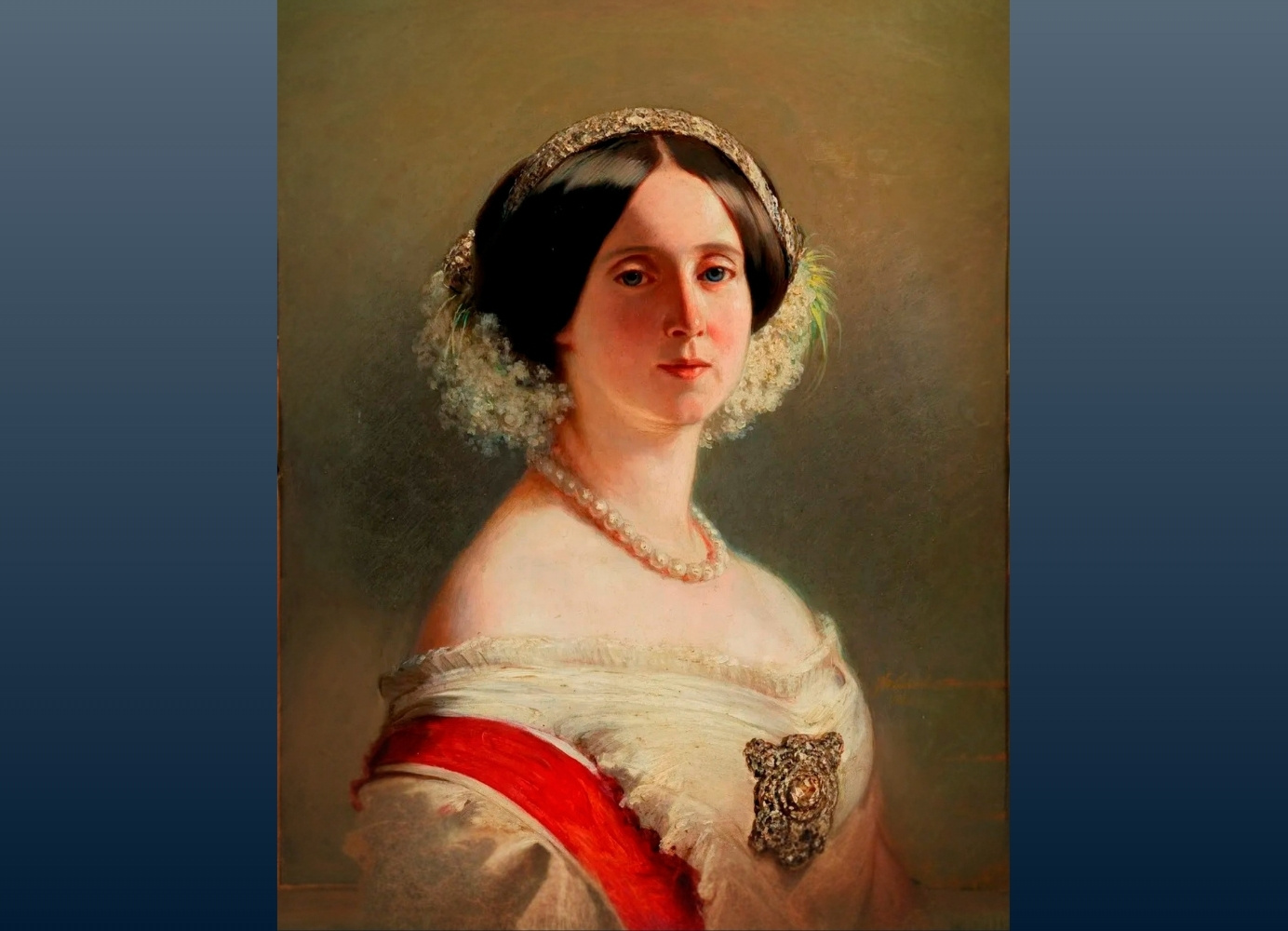
"That a marriage is 'not merely a family matter, but a matter of state, should, I think, be clear to you,'" wrote Frederick William III in 1822 to his daughter Charlotte. In doing so he reminded her that a member of the Prussian royal house was obliged to keep the interests of the kingdom in mind when entering into matrimony. Finding personal happiness in marriage was not an option in the circles of the high nobility. Even if the domestic life of rulers was staged in a bourgeois manner — particularly after the Revolution of 1848 — marriage remained a union of convenience for the benefit of the dynasty and the state.

Read more
The Generals’ Medal and the Berlin Victory Parade on 16 June 1871

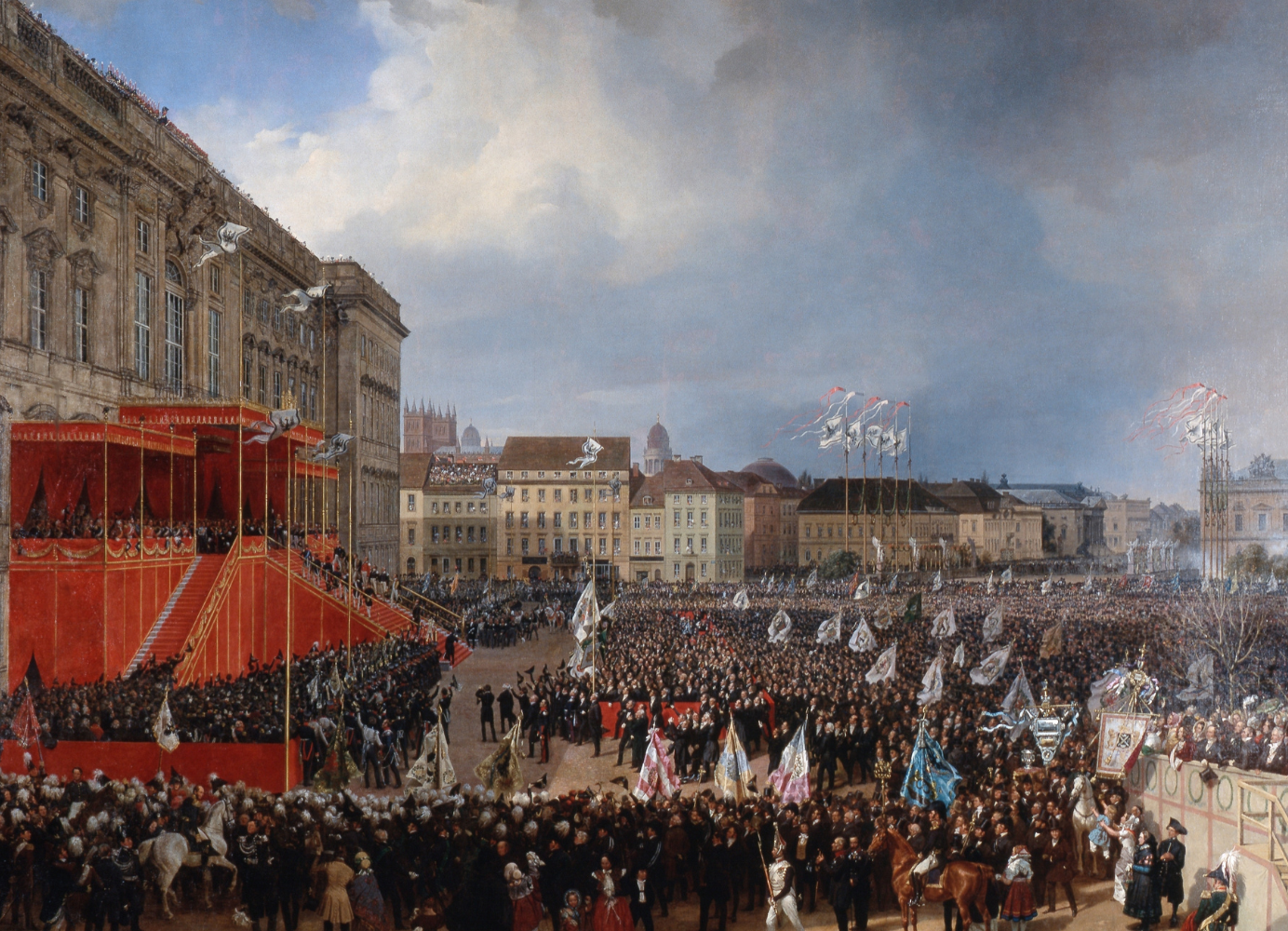
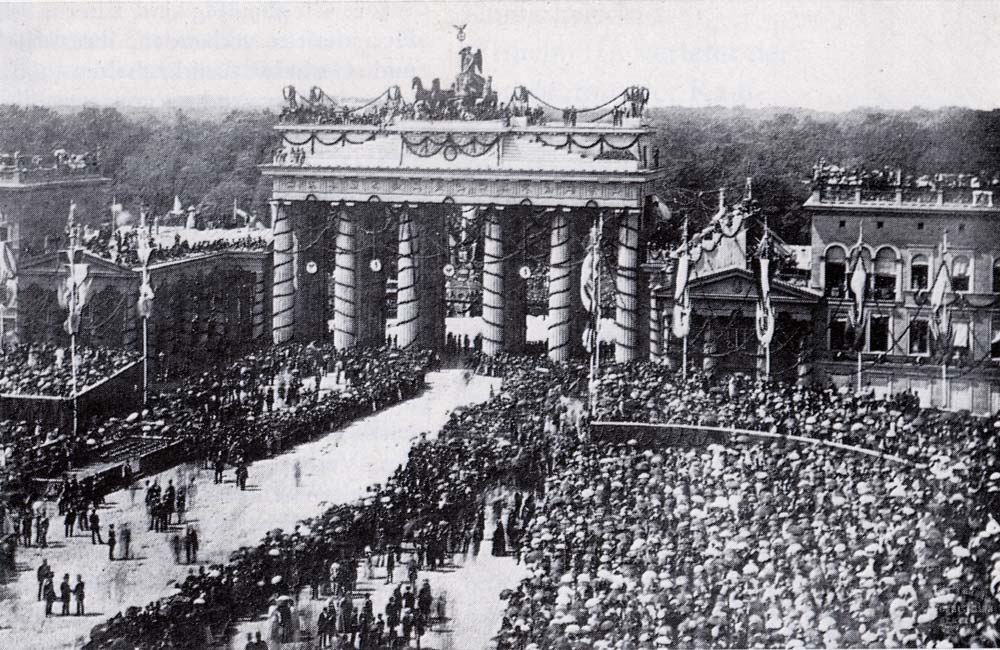
William I commissioned 25 examples of the "Generals' Medal" at 120 ducats each, in order to present them to those who, in his eyes, had made possible the victory over France and thereby the unification of Germany. The "Generals' Medal" is thus a central document of German history. And yet this medal is only a tiny component — a small contemporary witness — of an elaborately staged spectacle.

Read more
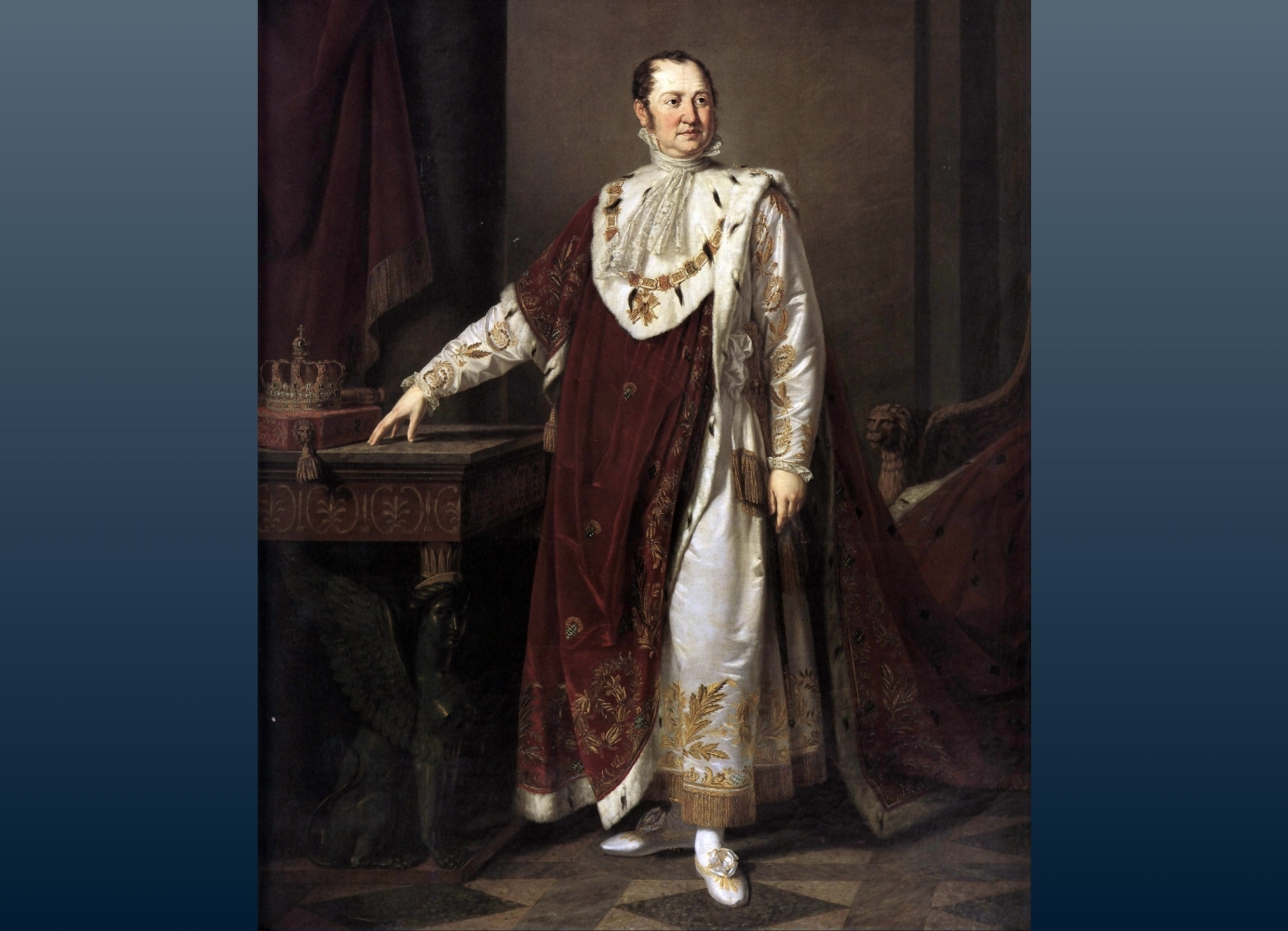
King Maximilian I Joseph of Bavaria and his 25th Jubilee of Reign

The medal commemorating the 25th jubilee of his reign designates Maximilian I Joseph on the reverse as Father of the Fatherland (pater patriae); on the triumphal arch, crowned by the Bavarian lion, four dates are inscribed.

Read more
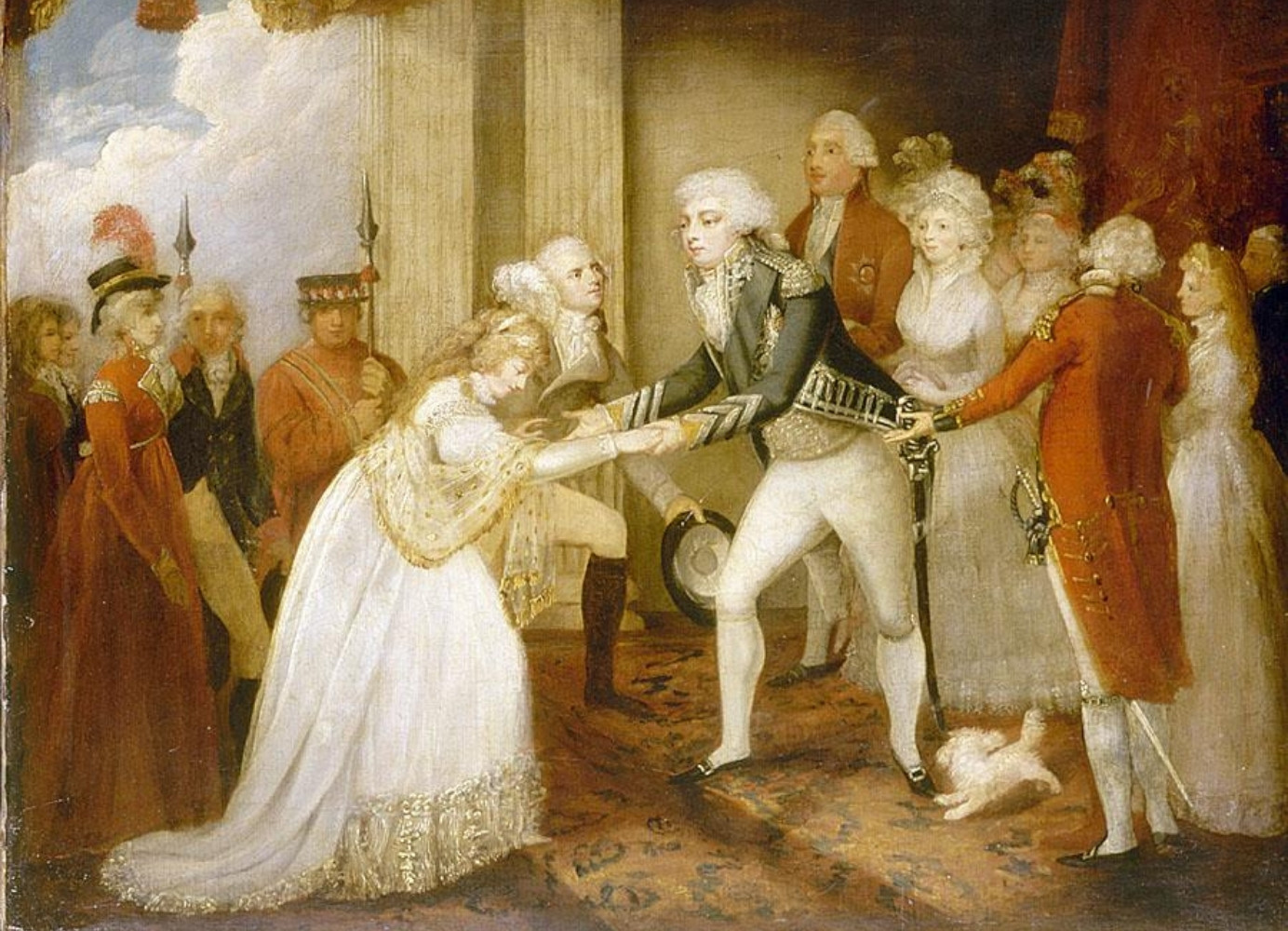
The Coronation of George IV as King of Great Britain and Ireland

It was not until the comparatively advanced age of 58 that George IV was crowned British king in 1820. He had already been serving as Prince Regent since 1811 for his ailing father King George III, who suffered from porphyria. 

Politically, he succeeded in achieving the emancipation of Catholics — that is, their legal equality with Anglicans. During the first five years of his regency he was preoccupied with the struggle against Emperor Napoleon and the French Continental Blockade. In his private life, George attempted to isolate his unloved wife Caroline of Brunswick and to have himself officially divorced from her.

Read more
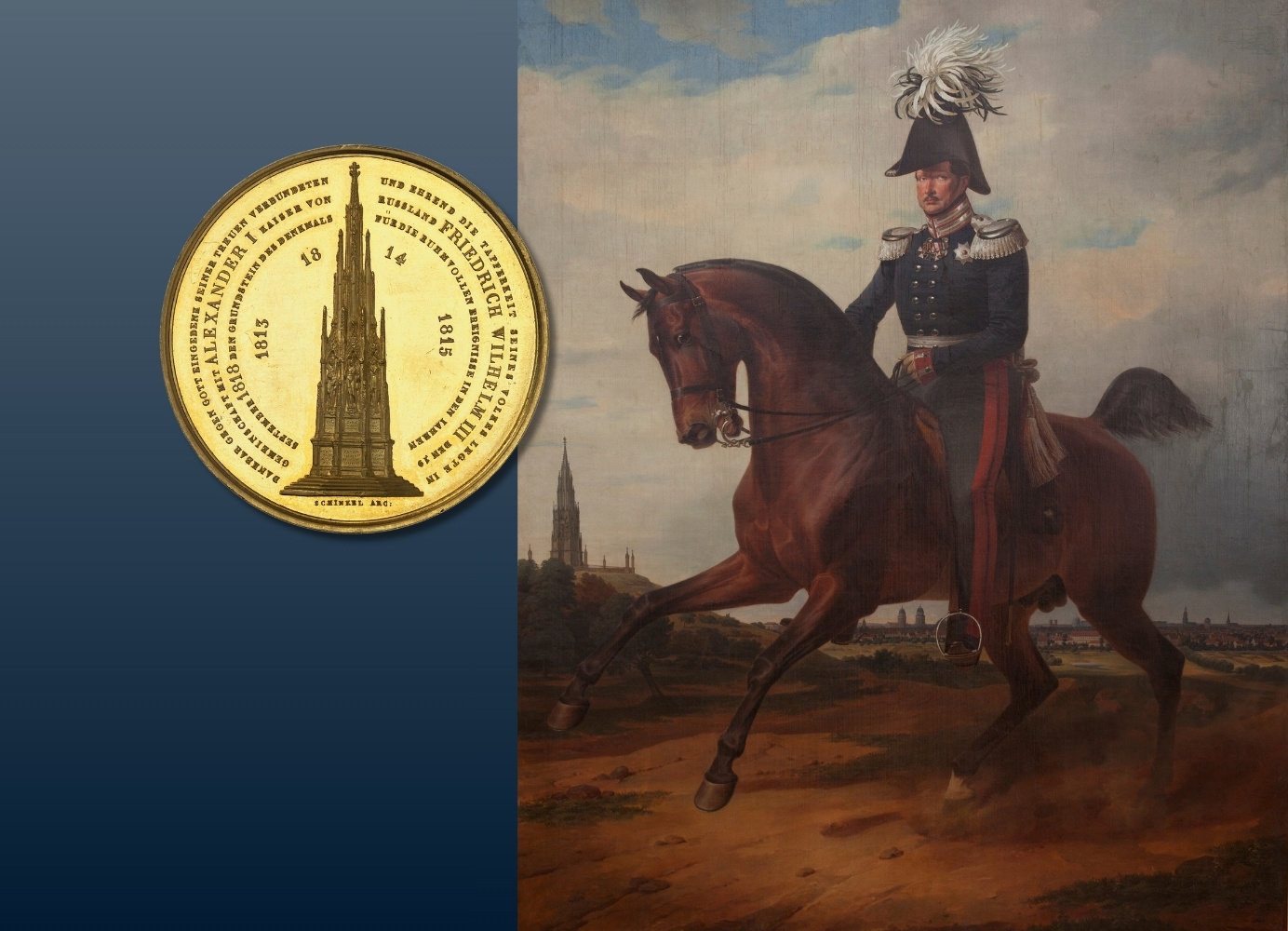
The Monument That Gave Kreuzberg Its Name

With his plan to erect a monument in honour of those who had fallen in the Wars of Liberation, Frederick William III was taking up an idea that had originated among the citizens of Berlin. He entrusted the architect Karl Friedrich Schinkel with the planning.

Read more
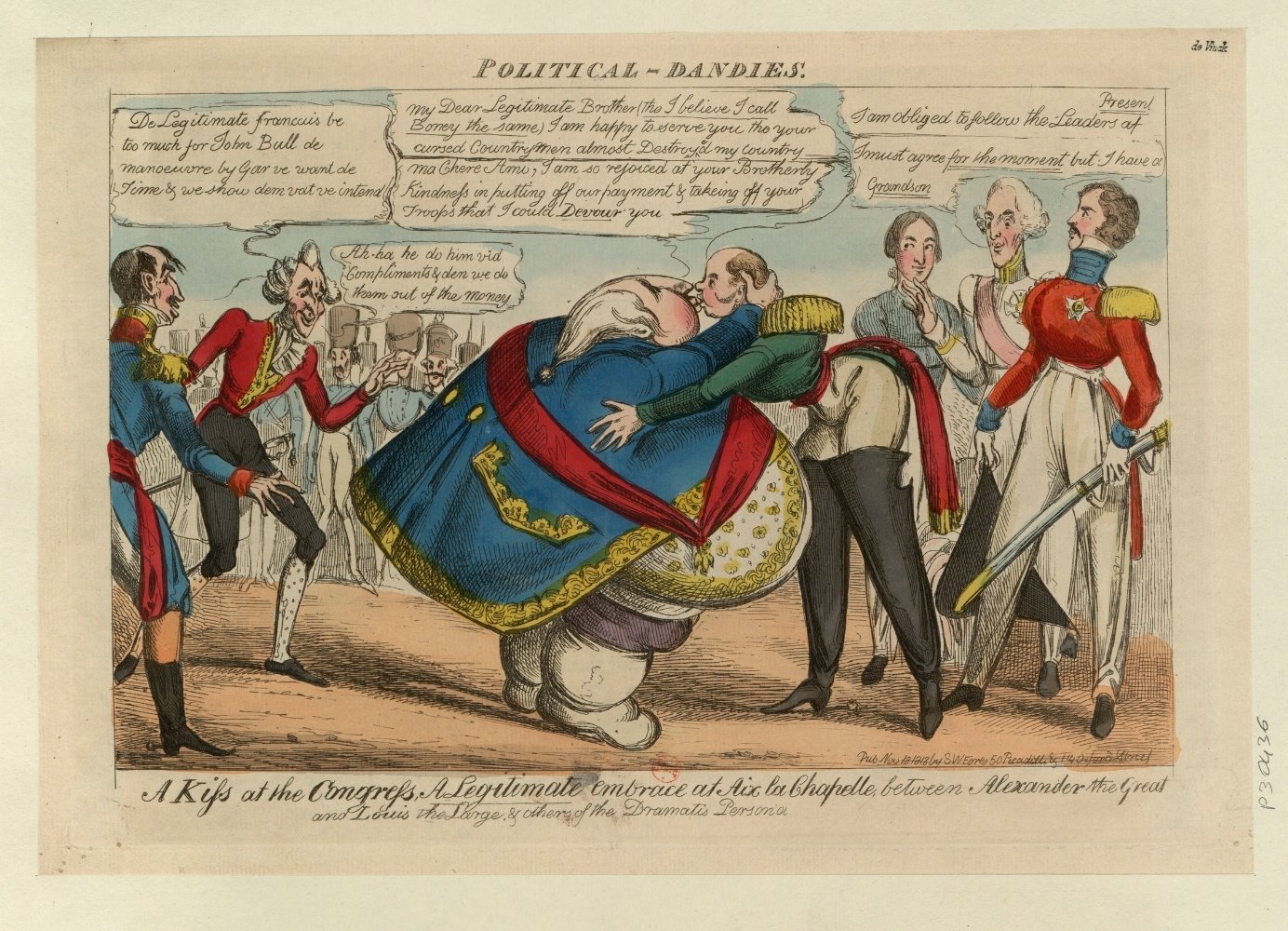
The Medal to Commemorate the Congress of Aix-la-Chapelle – How a Medal is created

From 29 September to 21 November 1818, a gathering of high-ranking politicians took place in Aachen to negotiate the withdrawal of the Allied occupation forces from France, which was in the process of paying the final instalment of the reparations agreed at the Congress of Vienna. Among those present were Alexander I, Francis I with his Chancellor Prince Metternich, Frederick William III and State Chancellor Prince Hardenberg, the Duke of Wellington, and the new French Foreign Minister, the Duke of Richelieu. The brilliant French diplomat Talleyrand was no longer in attendance — he had lost influence because he was considered too liberal for the new regime.

Read more
The rarest type of Russian family ruble from the collection of Frederick William IV.

On 6 December 1835, Kankrin presented the emperor with 36 examples for his assessment. Nicholas I approved the idea of a commemorative coin but requested certain improvements to the first design. He was particularly dissatisfied with the portrait of his wife, which he reportedly felt made her look too old, on account of a double chin. From the second revised die, with a more youthful portrait of the empress, 50 examples were struck before it developed cracks and a third die had to be produced. From this third die, 150 pieces were struck in several production runs, as well as novodels — pieces struck after the official issues for gift and collector purposes using the original dies. A fourth die eventually became necessary when the edge of the third chipped.

Read more
1 2 3 4 5 6 7
Contact
Personal contact is the basis of our business.

Can we help you? The quickest way is to talk to us personally. We look forward to your call.

Tel. +49 541 96202 0

Please note that due to a Europe-wide legal change in the VAT treatment of objects from third countries, some items must be sold with standard taxation. For customers in Germany, this means: the premium is 20% plus (usually) 7% reduced VAT. For customers from other EU member states, we will charge 20% plus the VAT applicable in the respective country when shipping.

If you have any questions, please contact our customer service.

You can find more information here

Important notice

Please note: You still have open bids in your bid sheet. In order for your bids to be sent to us, you must confirm your bid sheet. Thank you.