


On 14 October 1806, the Prussian troops suffered a devastating defeat against Napoleon’s French citizen army in the twin battles of Jena and Auerstedt. Around 33,000 Prussian soldiers paid for the king’s overconfidence with their lives or their health. Trusting in the strength of the Prussian army, Frederick William III had issued an ultimatum to France. The defeat now demonstrated that the Prussia of Frederick the Great had definitively become a thing of the past. But what was to happen next?
Looking Toward France
For radical democrats within the German states as well, the young French Empire represented a possible model. It demonstrated that a form of government could exist in which neither birth nor wealth mattered, but only personal merit. Others looked fearfully at developments beyond the border. They feared a reign of terror with thousands of deaths, as under Robespierre, and the destruction of everything familiar and established. For the members of the House of Hohenzollern, the French Revolution represented a personal threat. It had shown that even kings could be executed. That Napoleon had little regard for existing legal norms had been demonstrated only two years earlier by the abduction and execution of the Duke of Enghien, a member of the House of Orléans. How, then, would the victor deal with the Prussian royal family should he manage to capture them?
On the Run
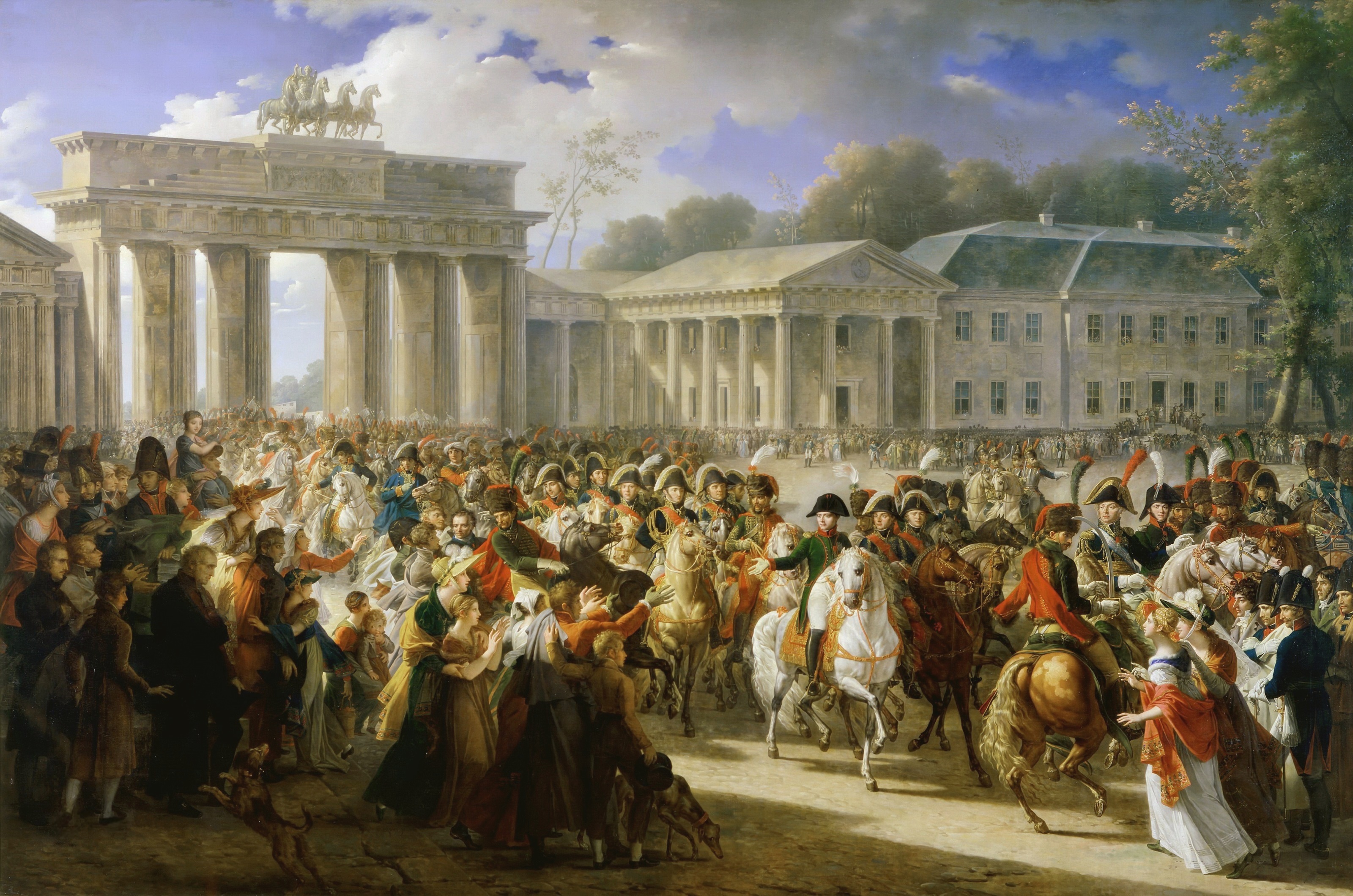
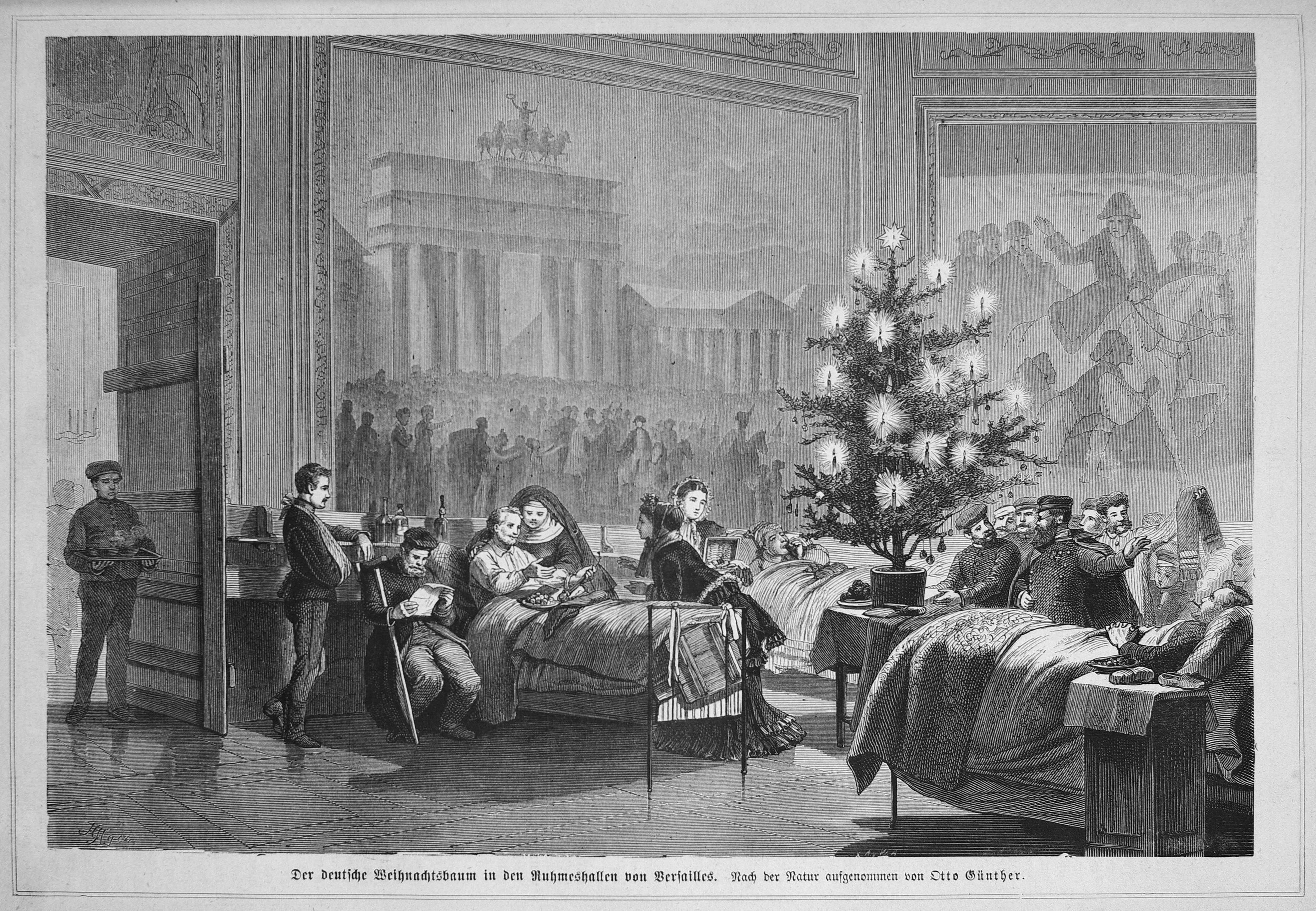
The court escaped Napoleon by fleeing. The ten-year-old Crown Prince Frederick William and the nine-year-old Prince William were old enough to understand the horrors of the events. Together with their mother, who was suffering from typhus, they fled through a wintry landscape. Only after long and exhausting days was the family reunited in East Prussia. Meanwhile, Napoleon took up residence first in Charlottenburg Palace and then in the Berlin Palace. The citizens of Berlin were forced to quarter approximately 150,000 to 200,000 soldiers and pay for their upkeep. Further humiliations intensified hatred toward everything French. Thus, the iconic Quadriga atop the Brandenburg Gate was transported to Paris as war booty. And it was not the only object taken. Countess Voß, the Mistress of the Robes who accompanied the queen during her flight, wrote the following on 11 November 1807: “I received the inventory of everything that the French had either officially transported from Berlin to Paris or simply stolen, likewise from the royal palaces and from Potsdam: mostly statues, paintings, porcelain, vases, valuables, and works of art of every kind; it is an unbelievable list.”
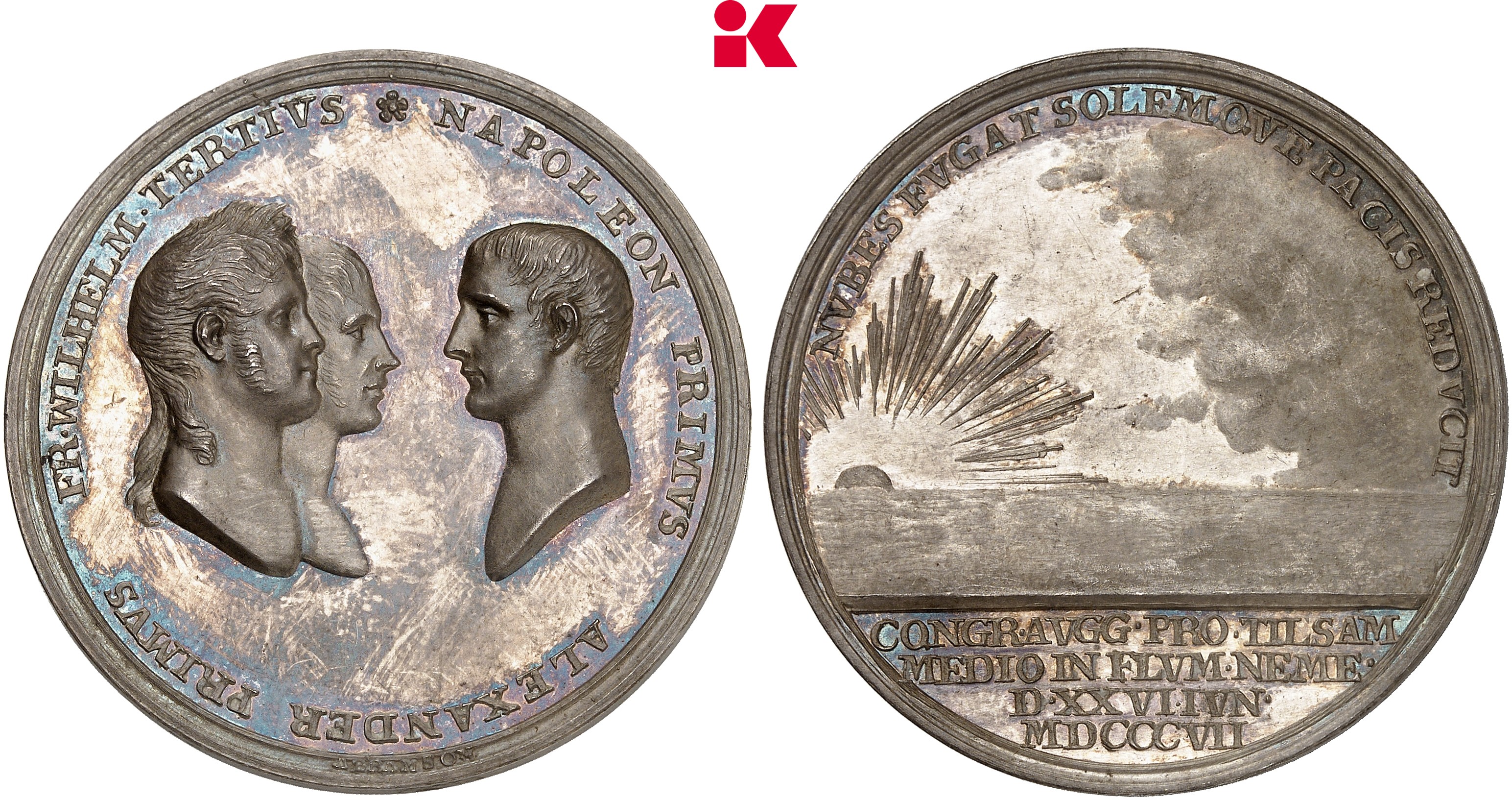
The Dictated Peace of Tilsit
After the crushing defeat, Frederick William III had no choice but to conclude peace. A medal (Lot 286) commemorates this deepest humiliation of Prussia. On the reverse it depicts the Memel River, neutral “ground.” The monarchs met on a raft for the negotiations. The obverse portrays the rulers who signed the Peace of Tilsit: Napoleon and Emperor Alexander I of Russia, together with Frederick William III, who was only brought into the negotiations afterward.
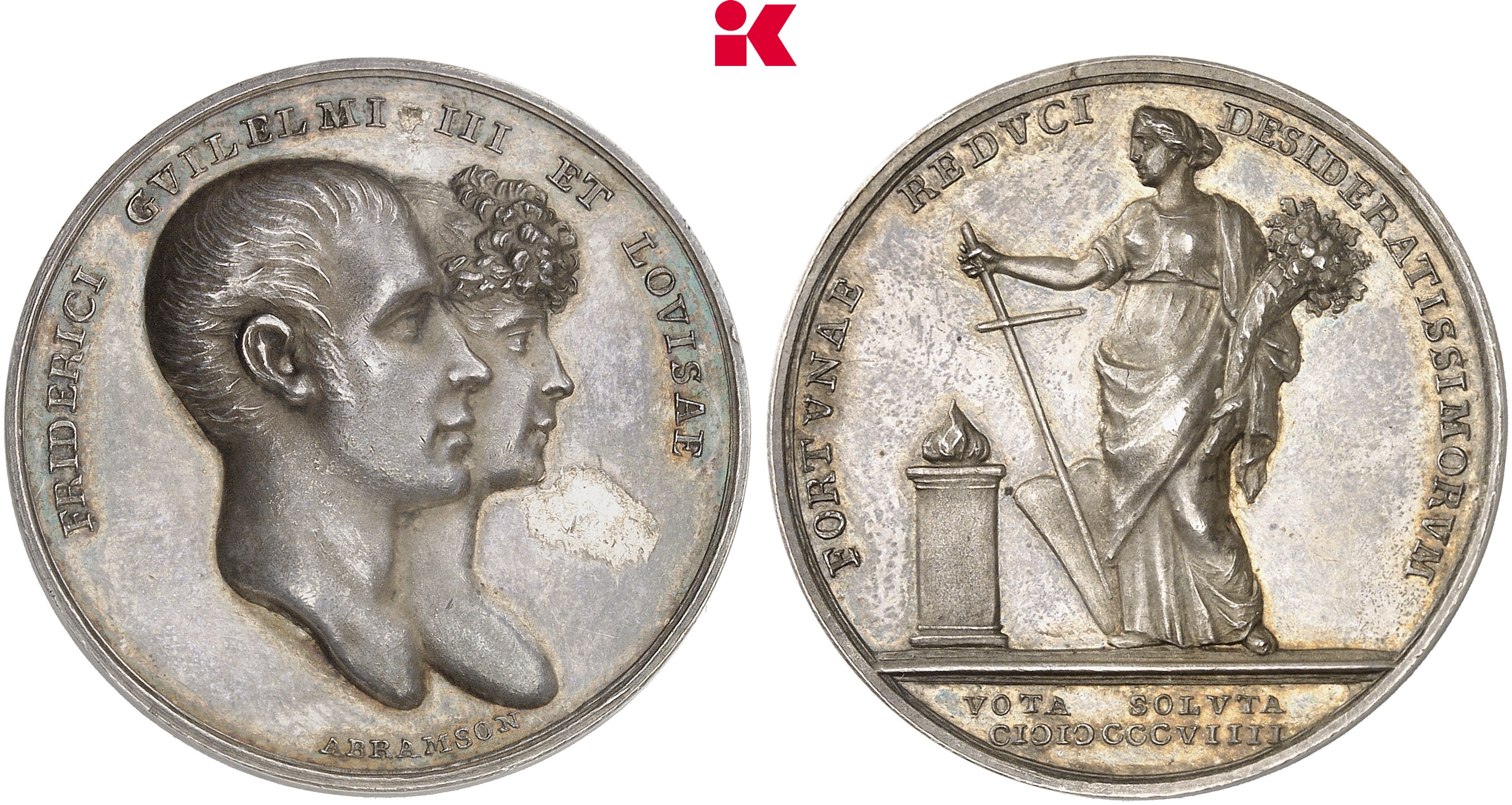
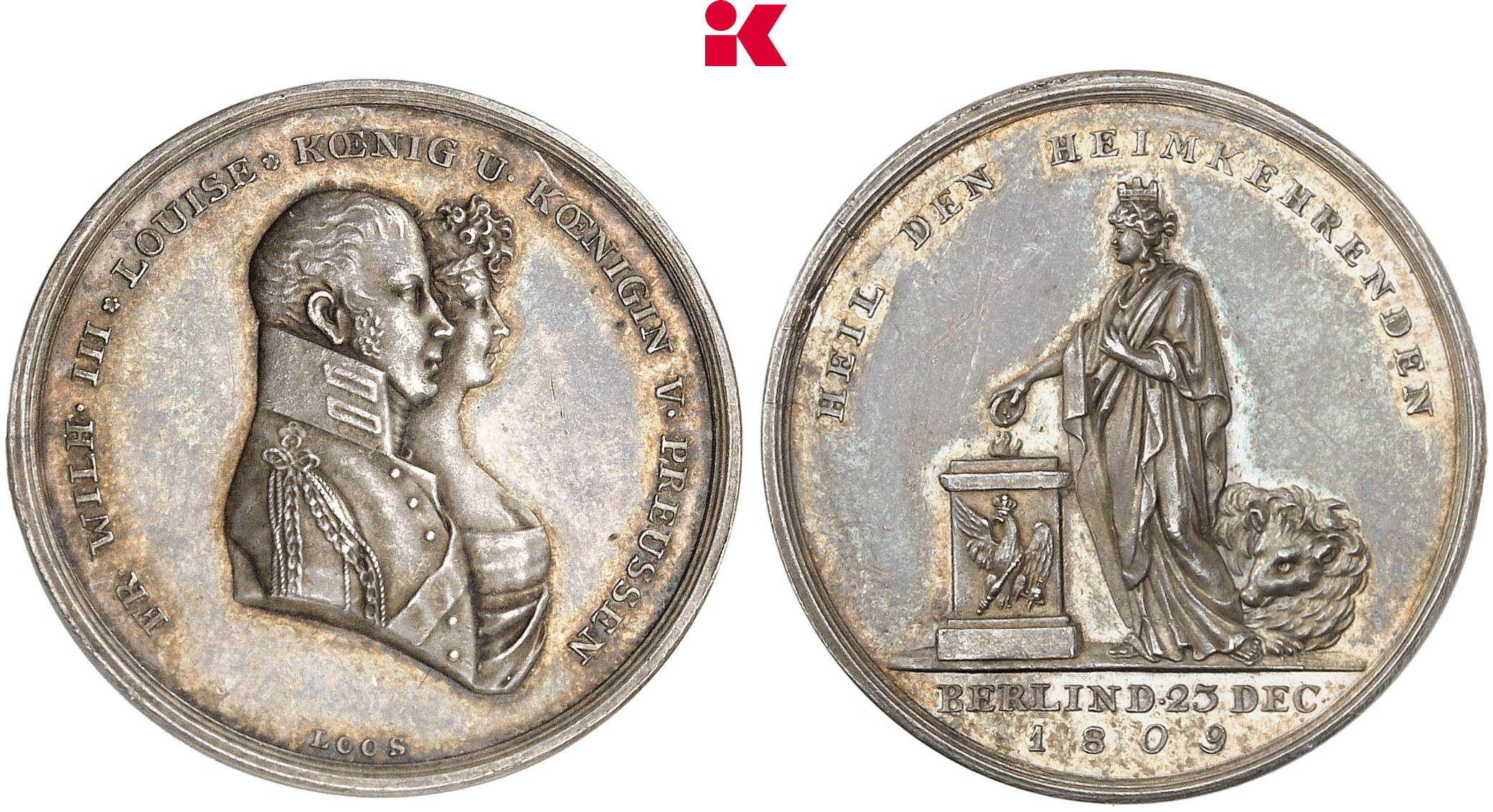
His role was pitiful: he could do nothing but sign the peace dictated by Napoleon — with grave consequences. Prussia lost almost half of its territory and population; the Prussian military was reduced to 42,000 men, and indemnities amounting to 120 million francs had to be paid. It seemed as though all of Prussia’s ambitions to rank among the great European powers had been eliminated.
Yet it was precisely Napoleon’s harsh treatment that united the Prussians in resistance against French dominance.