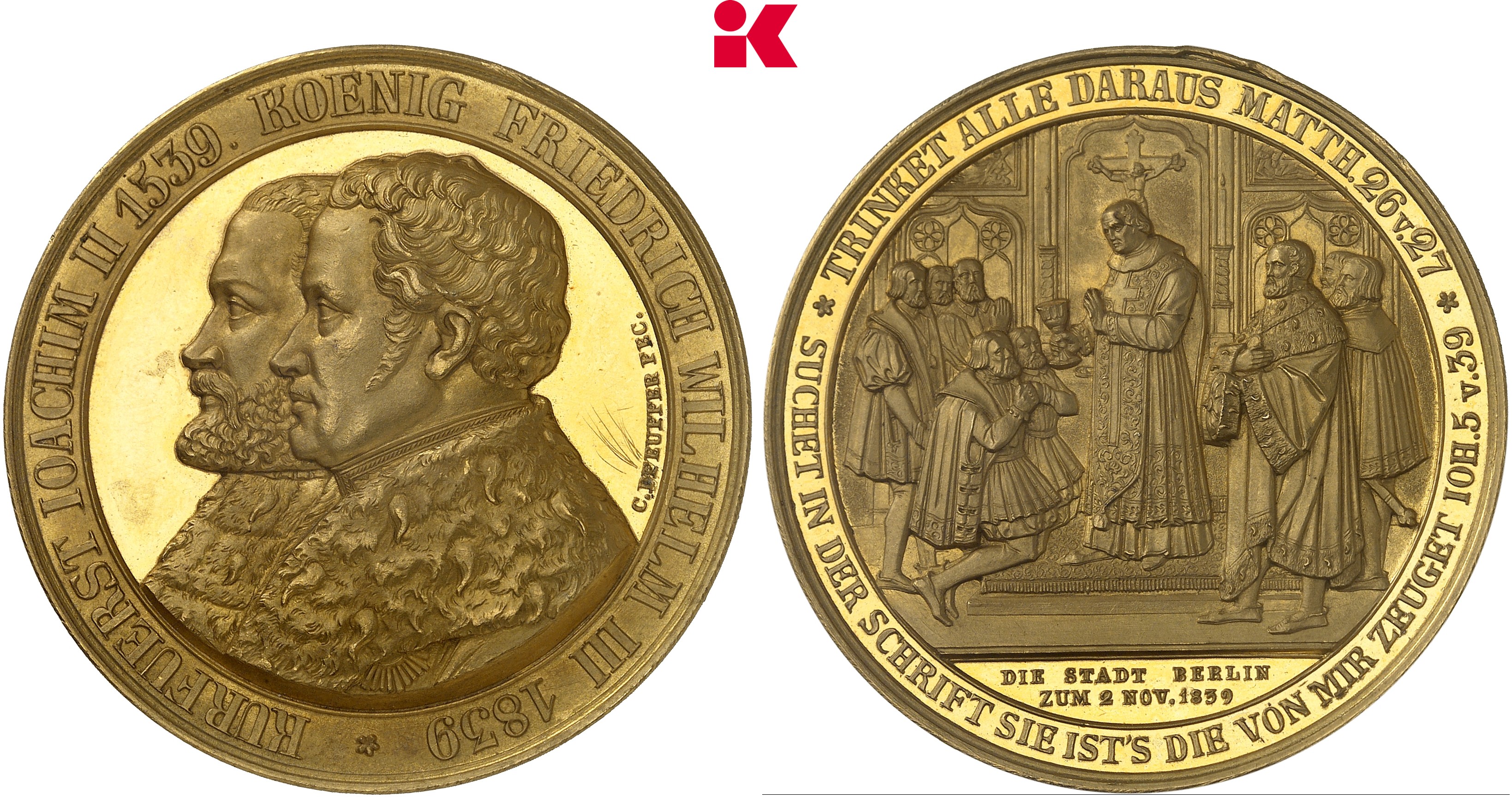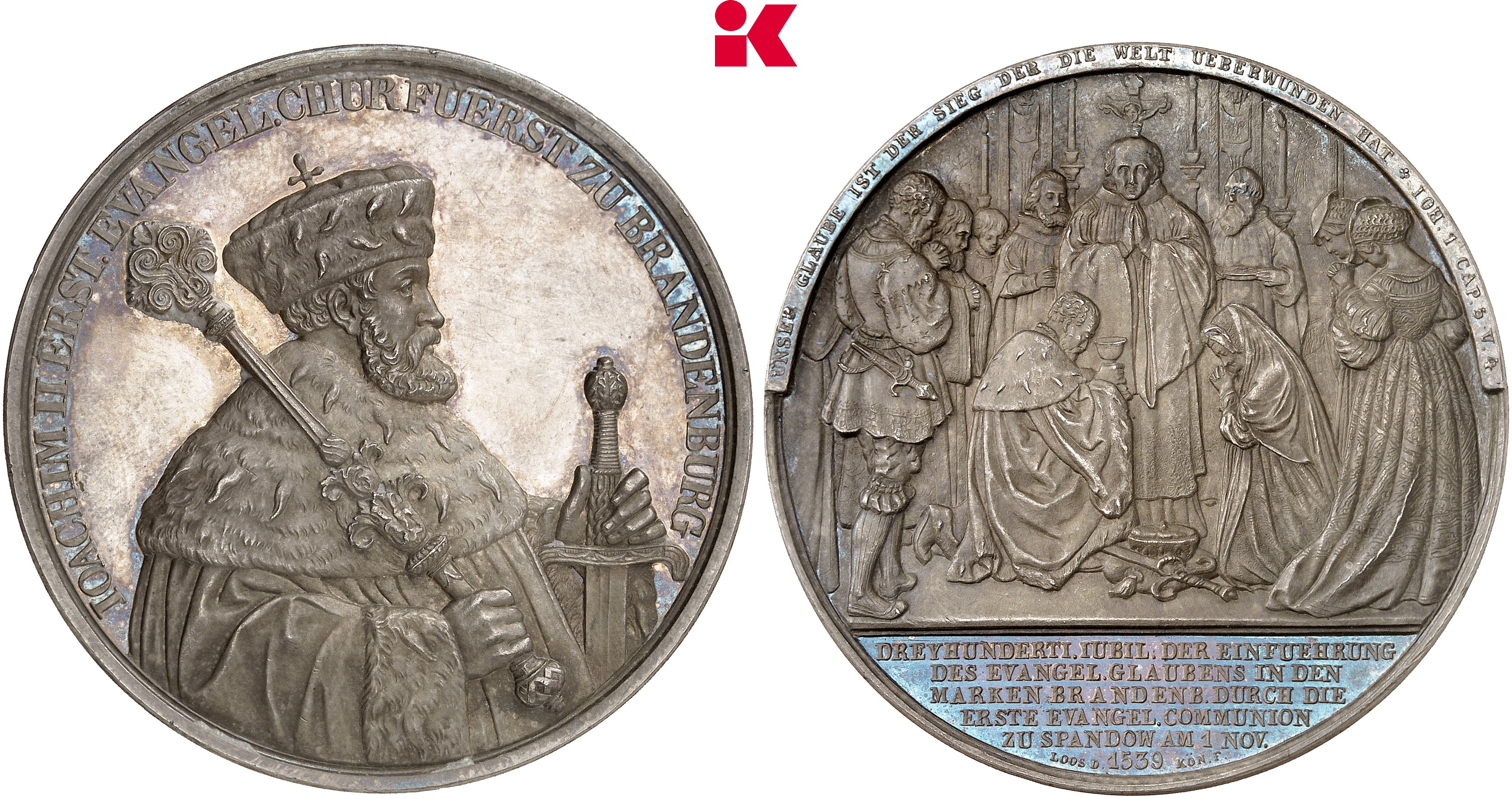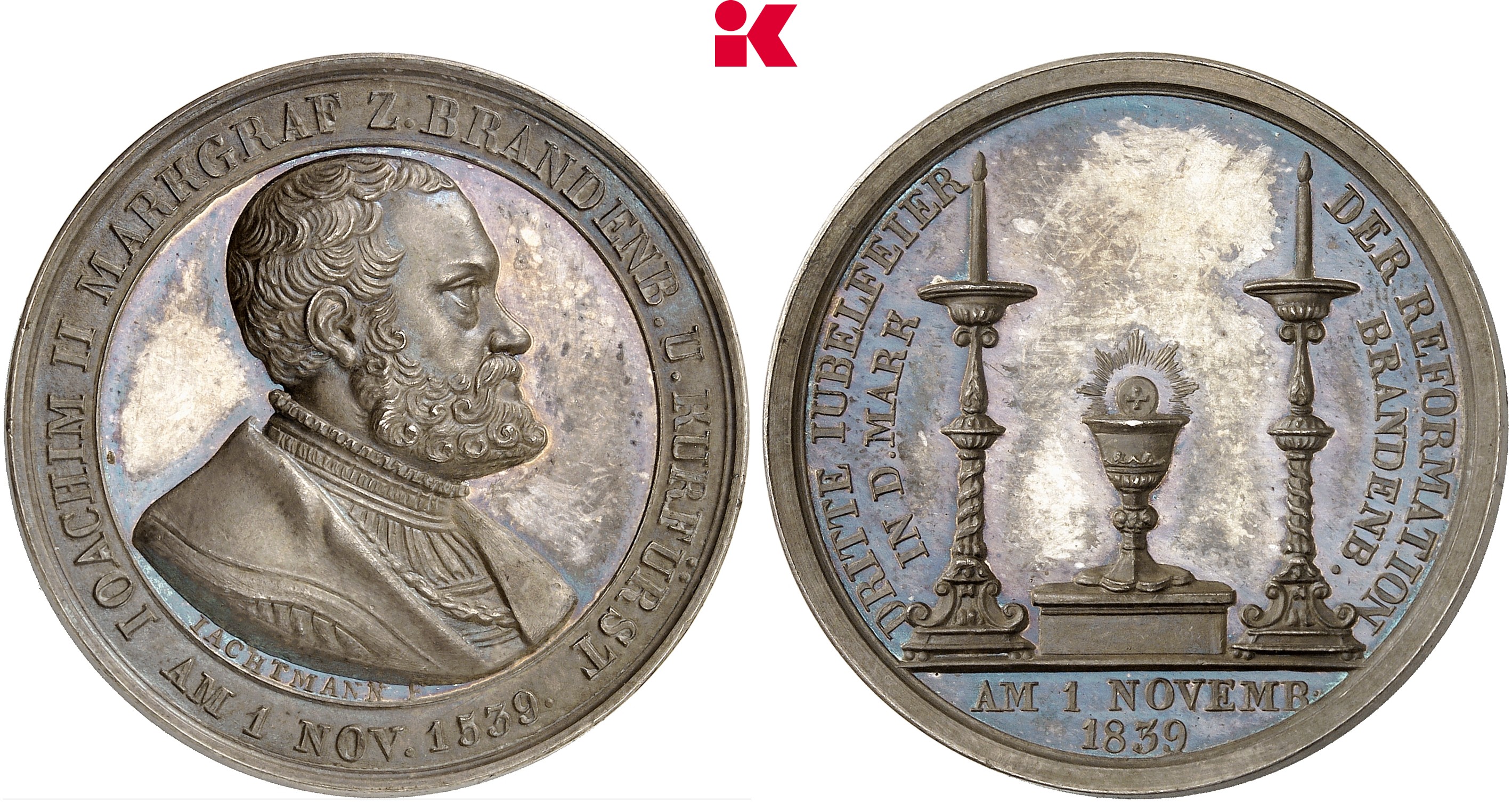
Official medals frequently play a role in the ceremonial surrounding significant events. Rarely can we grasp this role as clearly as in the case of the medal struck by the city of Berlin on the occasion of the 300th anniversary of the Reformation. This was very much in keeping with the times: in many states during the nineteenth century, the organisation of Reformation jubilees passed from governmental into civic hands. With broad participation from the population, the festival was staged from November 1 to 3, 1839 as an act of faith.
The date may initially seem surprising. However, the people of Berlin were not celebrating — as other Protestant congregations did — Luther's posting of the Theses in 1517, but rather the conversion of their land to the Protestant faith. Two central events marked this occasion. On November 1, 1539, Joachim II received communion in both kinds for the first time at St. Nicholas' Church in Spandau, and on November 2, 1539, a second Protestant service took place in Berlin.
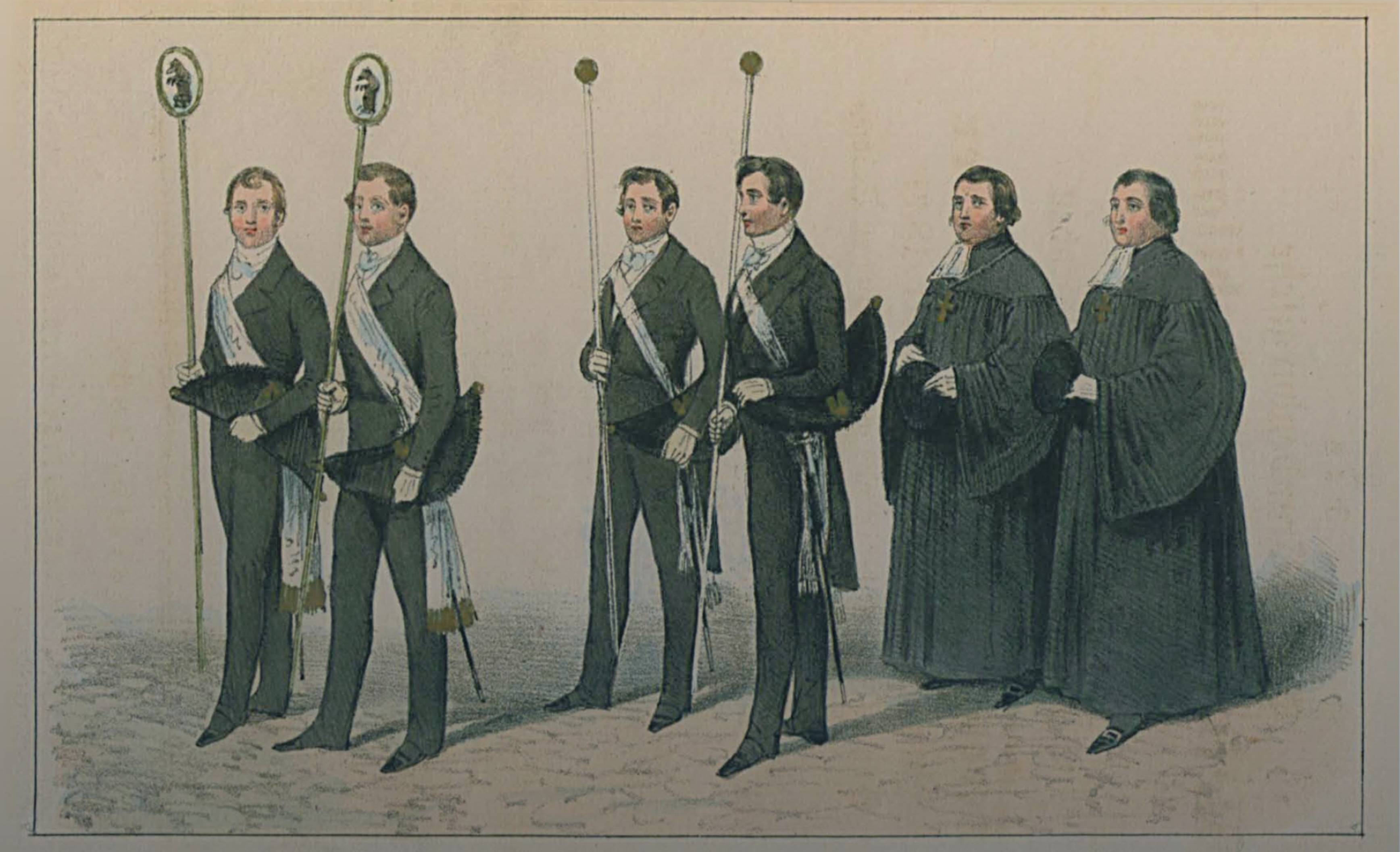
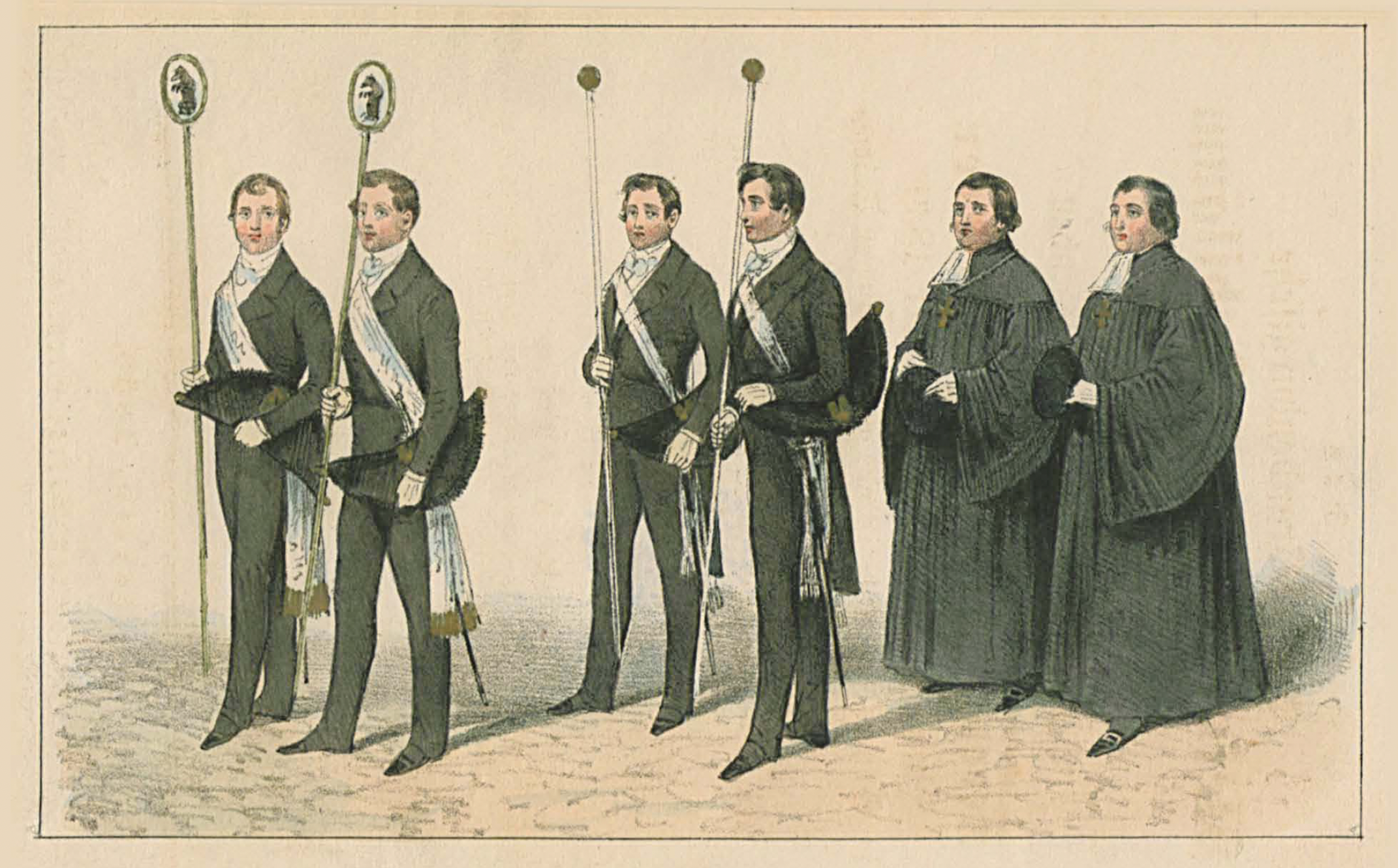
Through the contemporary account of the Lutheran pastor and historian Ludwig Frege, we have precise knowledge of the processions, ceremonial acts, church services, and addresses that took place.
A Lasting Commemoration
In his account, Frege goes into considerable detail about the medal (Lot 131): "As a lasting memento of the jubilee celebrations, the city — whose authorities had spared neither expense nor effort on this occasion — had a commemorative coin struck. The artistic execution was entrusted to the most highly regarded medallist L. Pfeuffer [whose first name was in fact Christoph Carl], who, through the excellence of his work — as beautifully conceived as it is richly appointed — has erected an enduring monument to his talent and skill. In the most distant of future times, this commemorative coin will still be regarded as a worthy token of remembrance of the momentous festival day of November 2."
A Gift to the Royal Family
In his account, Frege also recorded to whom the representatives of the city of Berlin presented this medal: "On the day before the festival, examples of this commemorative coin in gold and bronze were presented to His Majesty the King and His Royal Highness the Crown Prince, and likewise examples in silver and bronze to all other members of the Royal Family. On that same day, approximately 2,500 pieces of this commemorative coin were distributed to the highest and senior authorities, to the clergy, the university, the directors, governors, and teachers of all Protestant schools in Berlin, as well as to other distinguished persons and to all members of the citizenry participating in the local municipal administration. In addition, commemorative coins were sent to all Protestant churches in Berlin, as well as to the municipal councils of the neighbouring towns of Potsdam, Brandenburg, and Spandau, for distribution and preservation."
A Detailed Interpretation of the Medal´s Design
The greatest amount of space in Frege's account is devoted to the description of the medal itself, a subject clearly close to his heart: "Its obverse bears the busts of Elector Joachim II and His Majesty the King — the two rulers in whose days the important events of the founding of the Protestant Church in the Mark and its third jubilee respectively fall. Joachim is depicted in electoral robes, while His Majesty the King appears in the royal mantle. The simple yet eloquent inscription gives the names of both rulers and the two corresponding years, 1539 and 1839.
The reverse depicts the celebration of the commemorative day. At the high altar of the old cathedral that once stood on the Palace Square, beneath an image of the crucified Saviour, stands the Bishop of Brandenburg, Matthias von Jagow, holding a chalice in his right hand, which he extends to the figures kneeling on the altar steps — the mayor and a councillor — while his left hand is raised in blessing. Behind those kneeling stands a group of citizens, their bearing expressing devotion and edification, suggesting the longing of the entire citizenry for the holy sacrament. As a witness to this sacred act, the Elector steps forward on the other side of the altar. He appears bareheaded, holding his electoral cap before him, surrounded by knights of the court. In the exergue are the words: THE CITY OF BERLIN, 2 NOV. 1839. The inscription, in the same lettering, bears two aptly chosen biblical passages — Matt. 26:27 and John 5:39: 'Drink ye all of it' and 'Search the scriptures, for they are they which testify of me.'"