

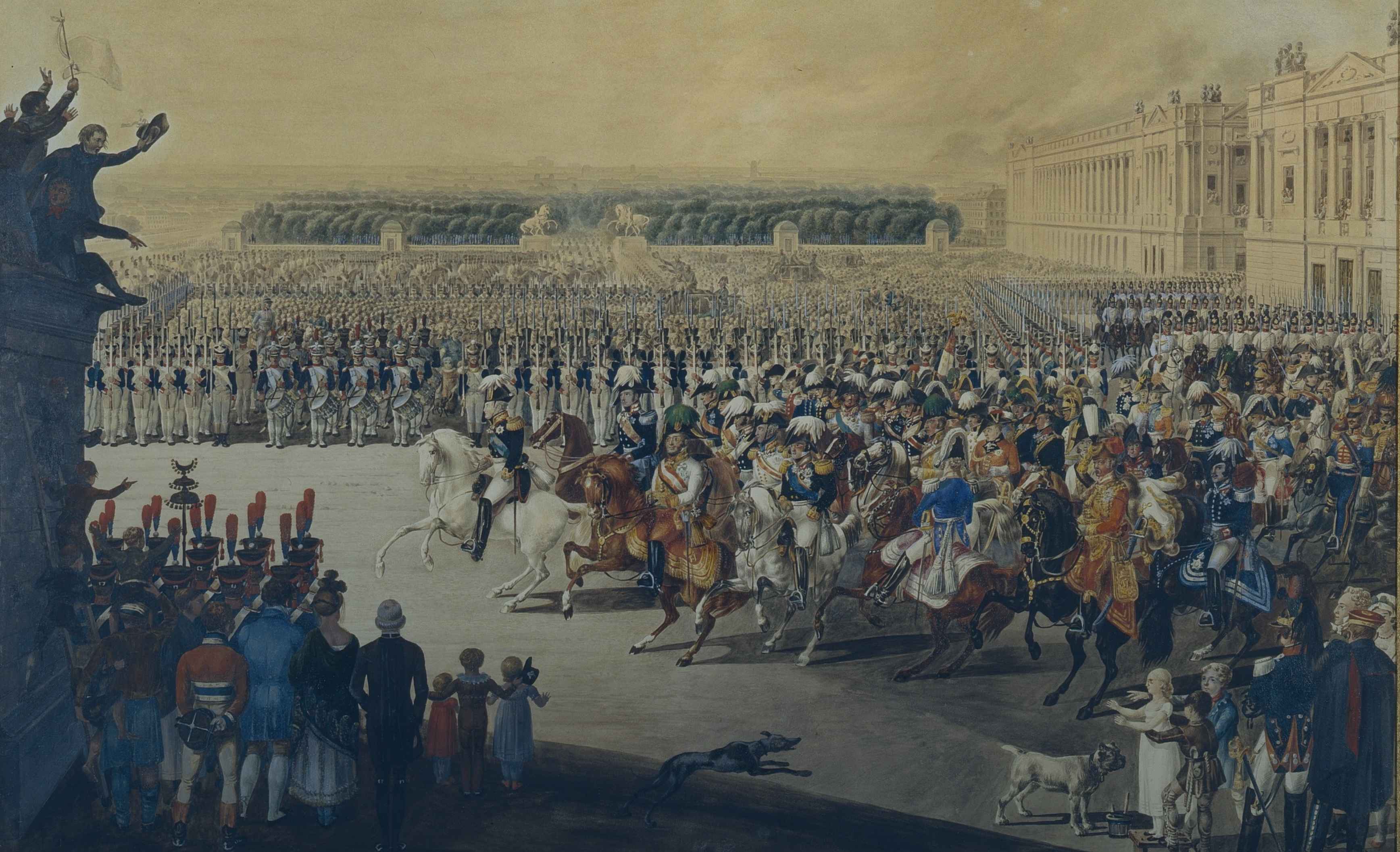
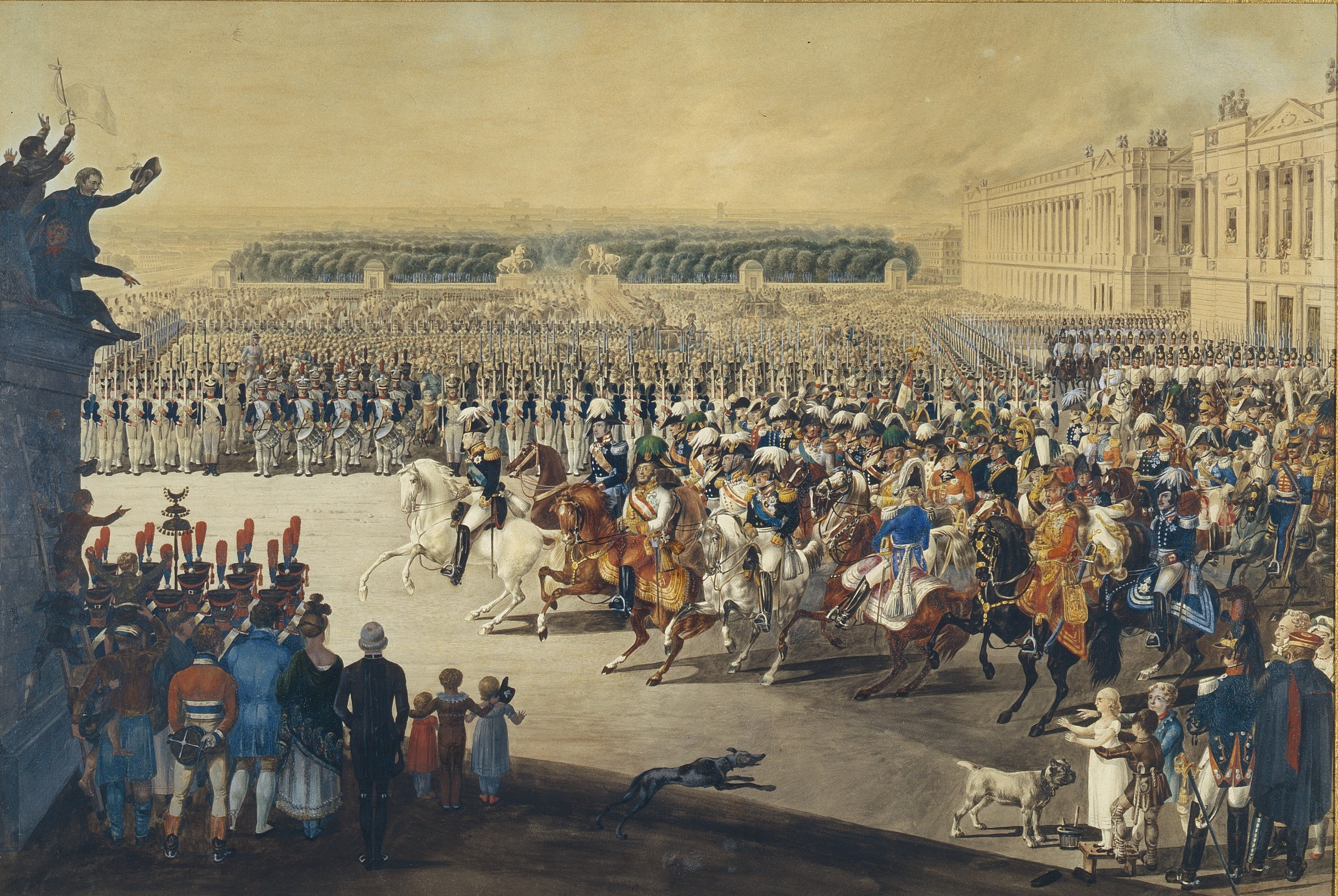
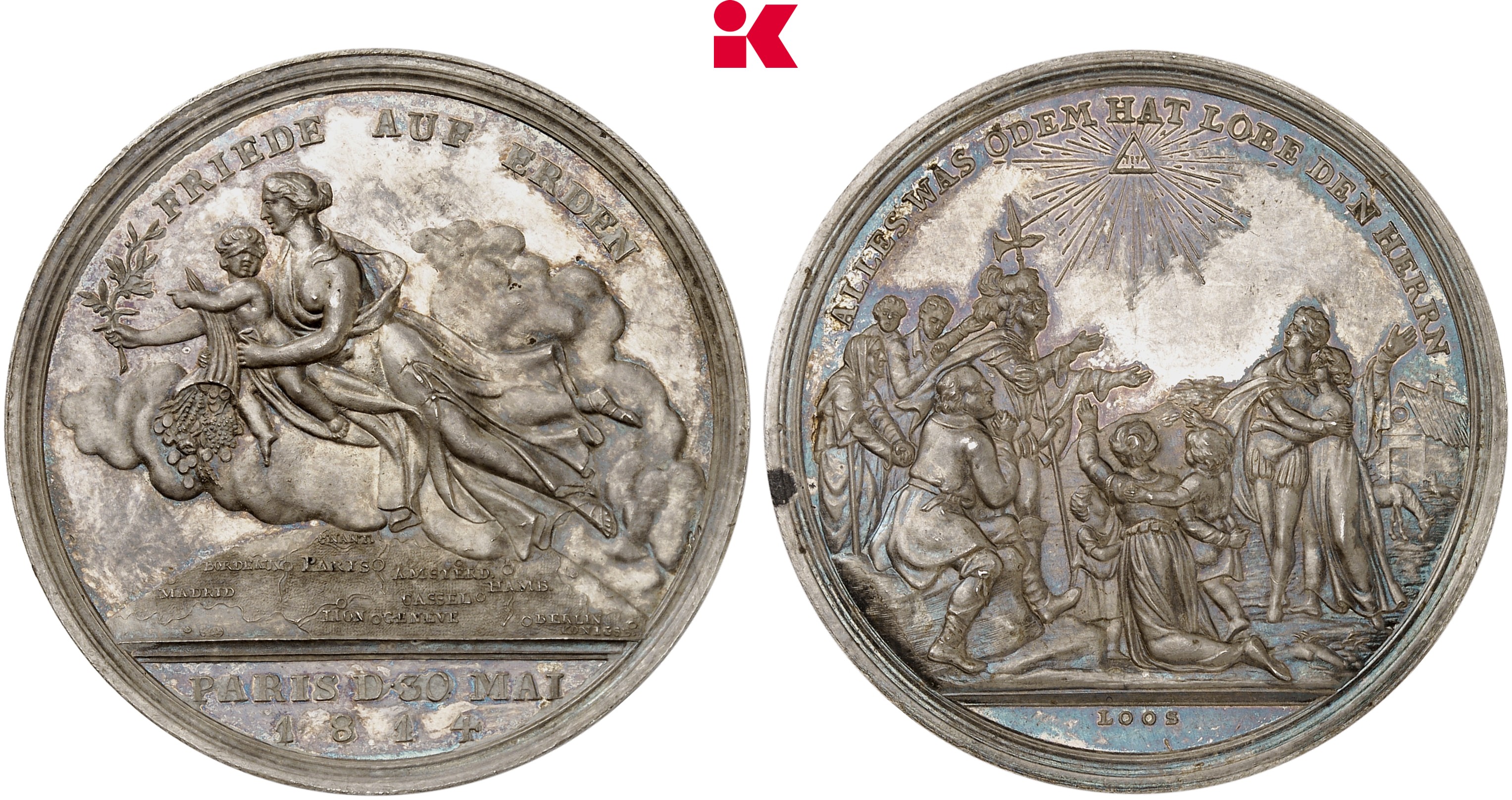
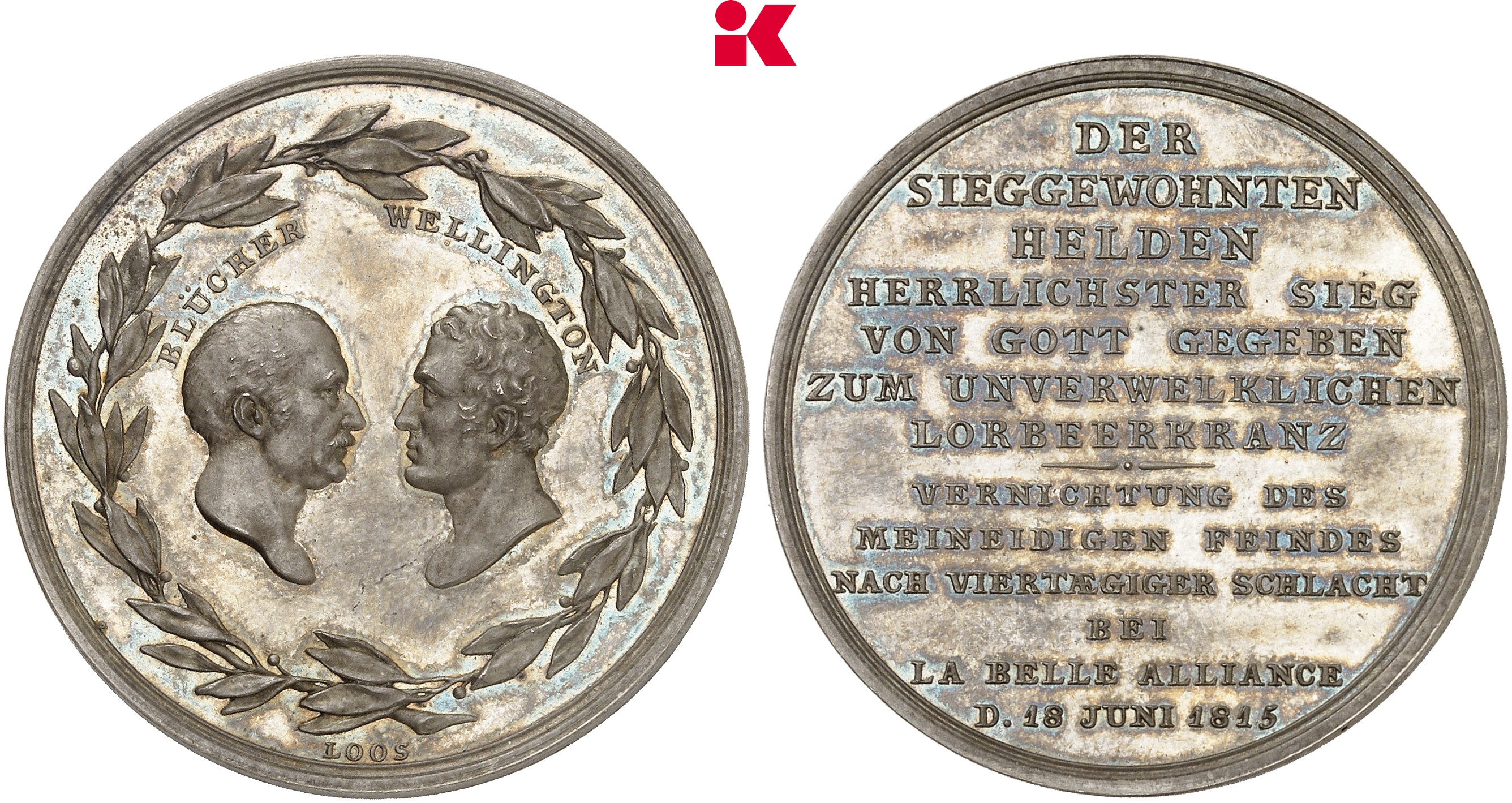
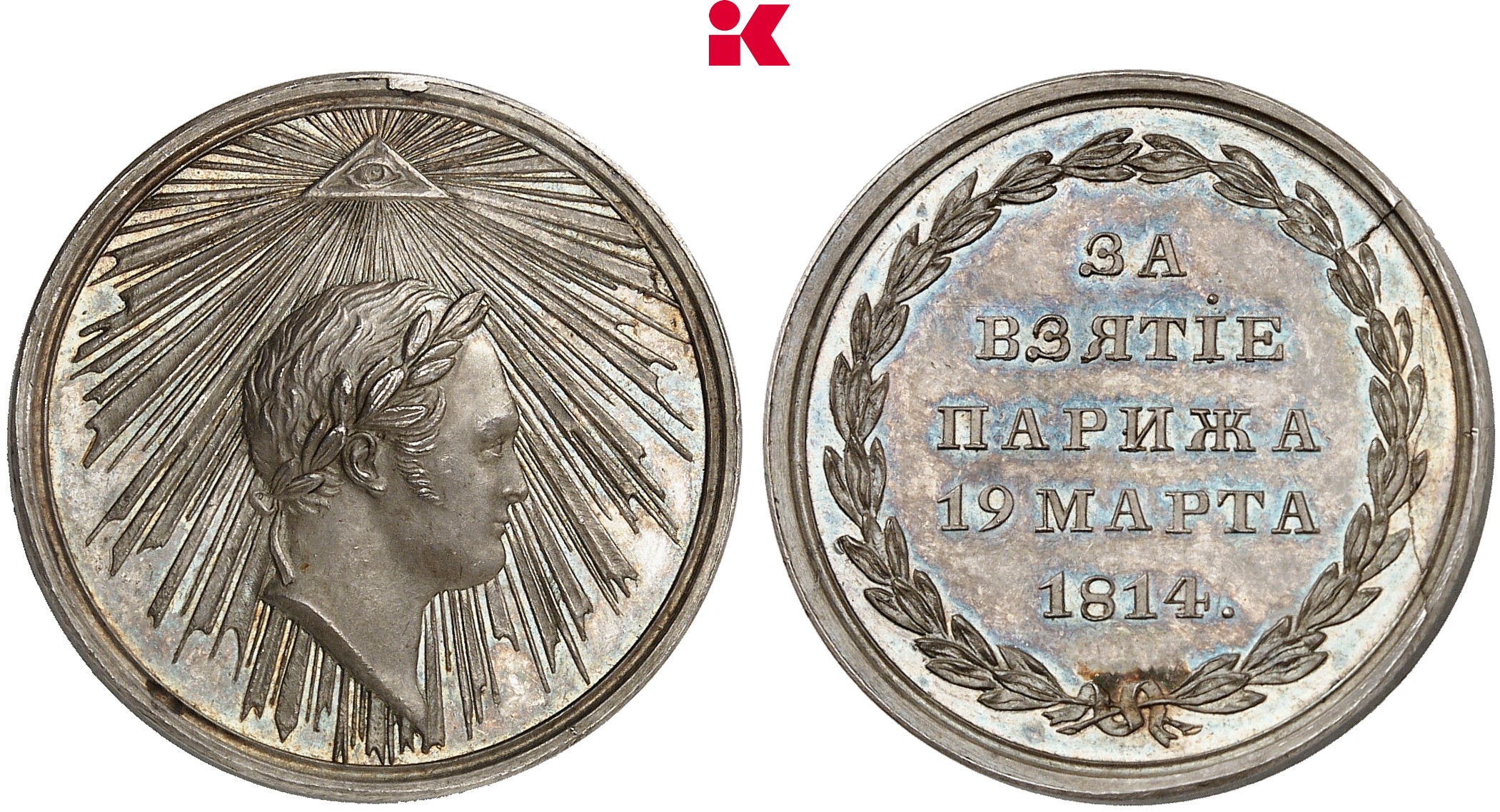
On March 31, 1814, King Frederick William III of Prussia entered Paris at the head of the allied troops together with Tsar Alexander I of Russia and the commander-in-chief of the Austrian forces, Field Marshal Karl Philipp Prince of Schwarzenberg. Riding behind him was the 17-year-old Prince Wilhelm, the king’s second-born son, who had been destined for a military career. It was a proud moment for the victors, commemorated by numerous medals.
In Prussia, the event was interpreted as a collective victory. Everyone had contributed to overcoming the challenges.
Reforms
This victory had been preceded by far-reaching reforms. In order to implement them, Frederick William III found himself compelled to cooperate with new politicians. They sought to modernize Prussia. Their program included the emancipation of the peasantry, municipal self-government, equality of citizens, freedom of trade, and a reform of the educational system. What today appears self-evident was highly controversial at the time. The reformers were well aware of this. For that reason, they defended their approach in the Riga Memorandum of 1807:
“The delusion that the Revolution could most safely be opposed by clinging to the old order and by strict persecution of the principles asserted by it has particularly contributed to promoting the Revolution and giving it ever greater expansion. The force of these principles is so great, they are so universally acknowledged and disseminated, that the state which does not adopt them must either face its downfall or their forced adoption...”
The politicians therefore planned to prevent a revolution by anticipating it through reforms of their own. They sought a compromise capable of winning over the entire Prussian society.
United in the Struggle against France
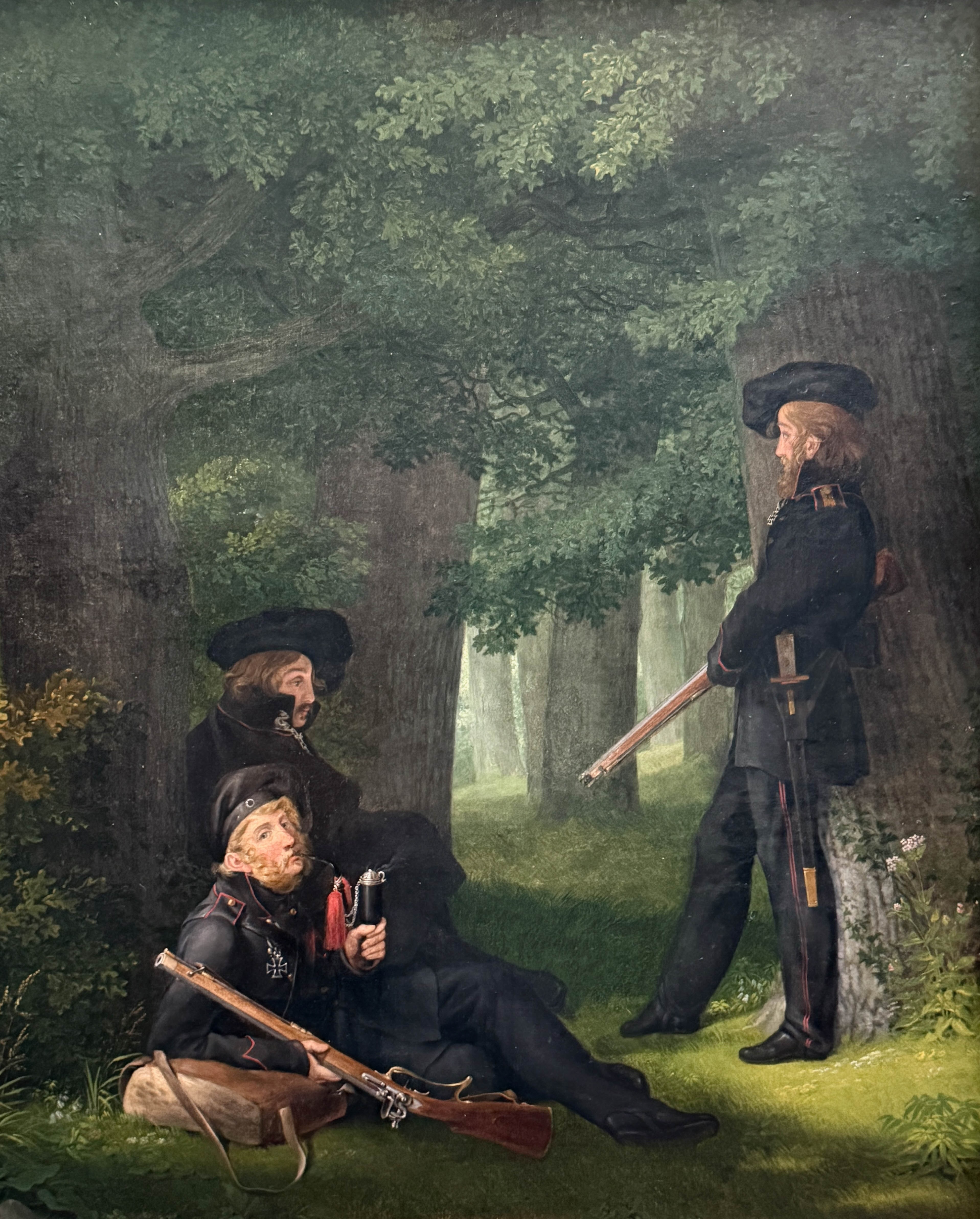
Above all, the common enemy France united the country. Thus, Prussia’s War of Liberation became the nation’s first true people’s war. It was fought not only by professional soldiers but also by many volunteers drawn from all social classes. Urban craftsmen accounted for 41% of the new recruits, while 15% each came from the propertyless lower classes and the rural population.
Particularly famous was the participation of intellectuals: 20% of all university students volunteered and documented their commitment in songs, paintings, and poetry.
For the first time, Jews were also permitted to serve in the Prussian army. They enthusiastically embraced this opportunity, and their rabbis donated ritual objects made of gold and silver to help finance the war effort. They were not alone in doing so. The campaign “I Gave Gold for Iron” raised around 6.5 million Talers. Here, Prussian women made their contribution. At the initiative of the king’s sister-in-law, Princess Marianne of Prussia, they surrendered their gold jewelry and instead wore iron bracelets and rings.
The Congress of Vienna
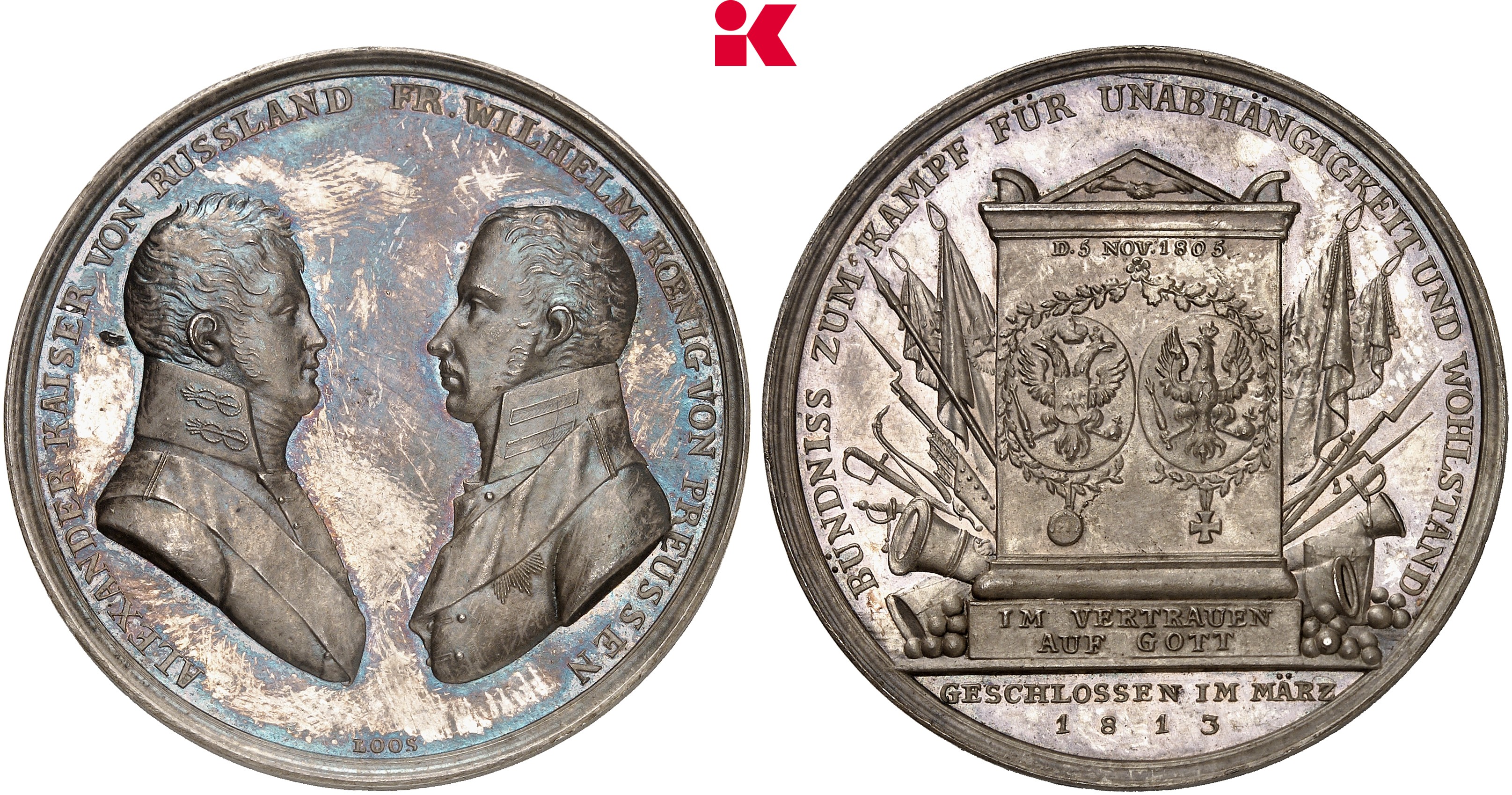
The Wars of Liberation not only united Prussian society; thanks to Russian support, they also resulted in substantial territorial gains at the Congress of Vienna. A medal commemorating the acquisition of Saarlouis bears witness to this as well.
The most important province acquired by Prussia was the economically powerful Rhineland. With it, Prussia simultaneously assumed the responsibility of militarily securing the border against France.