

Previews and Reviews
eLive Premium Auction 407: Preview


Every connoisseur of Austrian numismatics is familiar with the achievements this field owes to Prof. Mag. Heinz Tursky. With his enthusiastic nature, he was one of the main reasons why Austria’s Minister of Finance Dr. Hannes Androsch agreed to briefly revive the minting of coins in Hall. That was in 1975. And in 1977, he played a major role in the foundation of the Hall Mint Museum at Burg Hasegg. The numismatic world was in awe when the first reconstruction of the rolling mill developed in Hall was set up to be exhibited there. Heinz Tursky had assisted Werner Nuding extensively in his research, and Nuding spent countless hours of his personal time in his carpentry workshop creating the reconstruction. Almost everyone is familiar with the Moser-Tursky volumes, the incredibly well-researched reference works on Hall numismatics. They are much more than a simple catalog; together with the archivist Heinz Moser, Heinz Tursky reconstructed the working procedures and organizational structures of the Hall mint. Since then, anyone who has attempted to produce a monograph on a mint has had to stand comparison with the work of Moser-Tursky.
Everyone who knew him was aware of the fact that Heinz Tursky – who was also a founding member of Tyrol’s numismatic society (the “Tiroler Numismatische Gesellschaft”) – was not “just” a coin dealer but also a passionate coin collector. Now, his collection of coins of Emperor Franz Josef will enter the market. It contains many great rarities, but also common pieces – always of the best quality Heinz Tursky could find. Specialists can look forward to a magnificent numismatic ensemble that documents the multinational empire of the Habsburgs!
1.
The Multinational Empire of the Habsburgs under Emperor Franz Josef I
Emperor Franz Josef ascended the throne during the Revolutions of 1848 at the tender age of 18. A few years later, he married his cousin, the beautiful Sisi, whose image still captivates tourists from all over the world. The crushing defeats at Magenta and Solferino in 1859, the lost war against Prussia in 1866, and the separatist tendencies in the areas inhabited by Slavs – Franz Josef had to hold together a multinational empire at a time when intellectuals were raving about the nation-state. He failed. After the Assassination of Archduke Franz Ferdinand in Sarajevo, Franz Josef stumbled into the catastrophe of the First World War. The 86-year-old Franz Josef dutifully carried out his work until the very last day. It was not until the afternoon of 21 November 1916 that he lay down to die. His personal physician pronounced him dead shortly after 9 p.m. Thus, Franz Josef did not have to see how his multinational empire was dismembered in the Treaty of Saint-Germain.
The heterogenous nature of Franz Josef’s empire is illustrated by his diverse coinage, including mints such as Karlsburg (in today’s Romania), Kremnica (today’s Slovakia), Milan (today’s Italy), Nagybanya (today’s Romania), Prague (today’s Czechia), Venice (today’s Italy) and, of course, Vienna.
2.
Still an Affordable Subject for Collectors
The Tursky Collection shows that there are still topics that allow collectors to build up a collection without the need of spending a fortune. Although we obviously highlight particularly expensive and outstanding pieces in this preview, the auction contains significantly more lots with estimates in the two-digit or low three-digit range.
But no matter whether you bid on a coin with an estimate of 50 or 5,000 euros: every single piece tells the story of an era that is etched into our collective memory as “the good old times” – although contemporaries were of a completely different opinion.
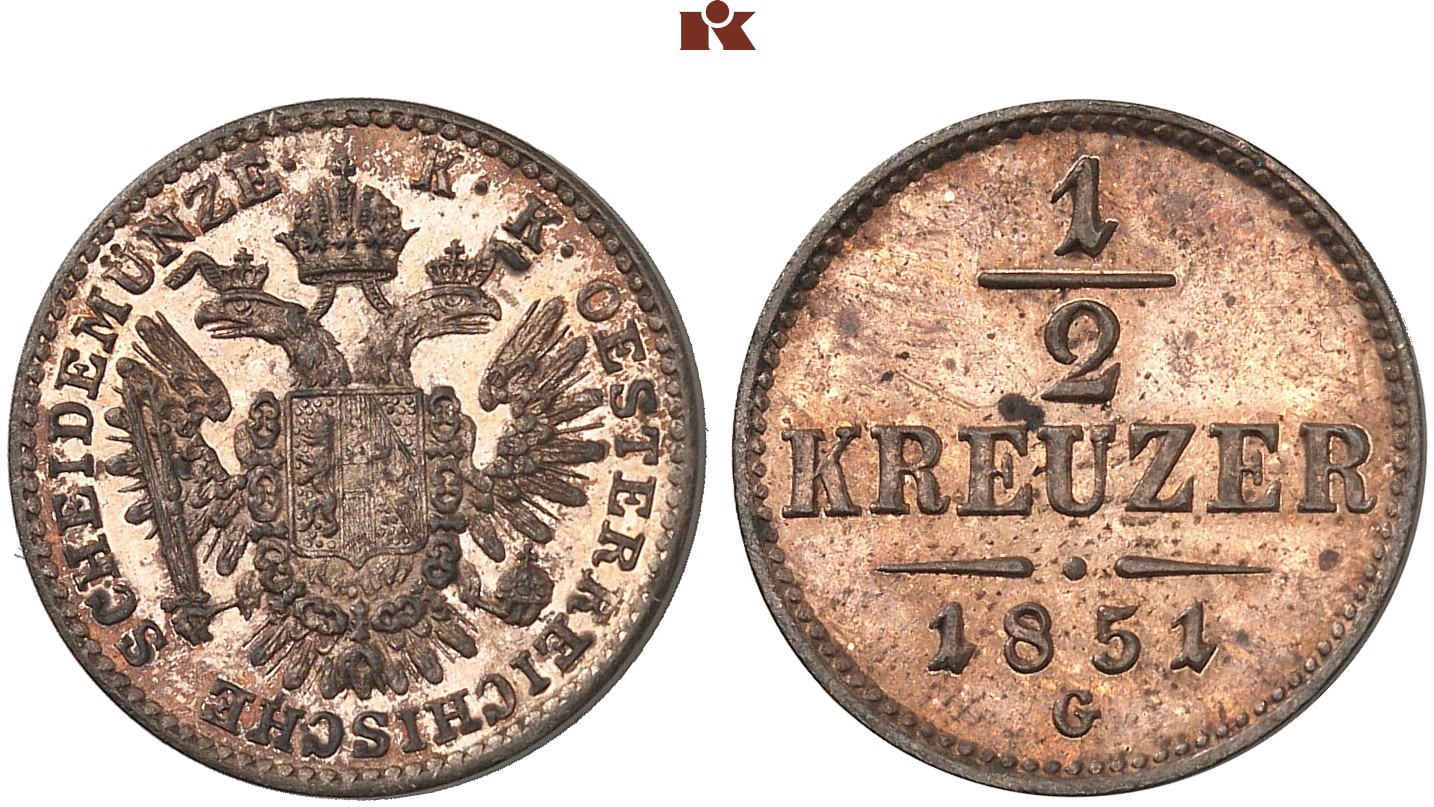
KAISERREICH ÖSTERREICH Franz Josef I., 1848-1916. Ku.-1/2 Kreuzer 1851 G, Nagybanya.
More information
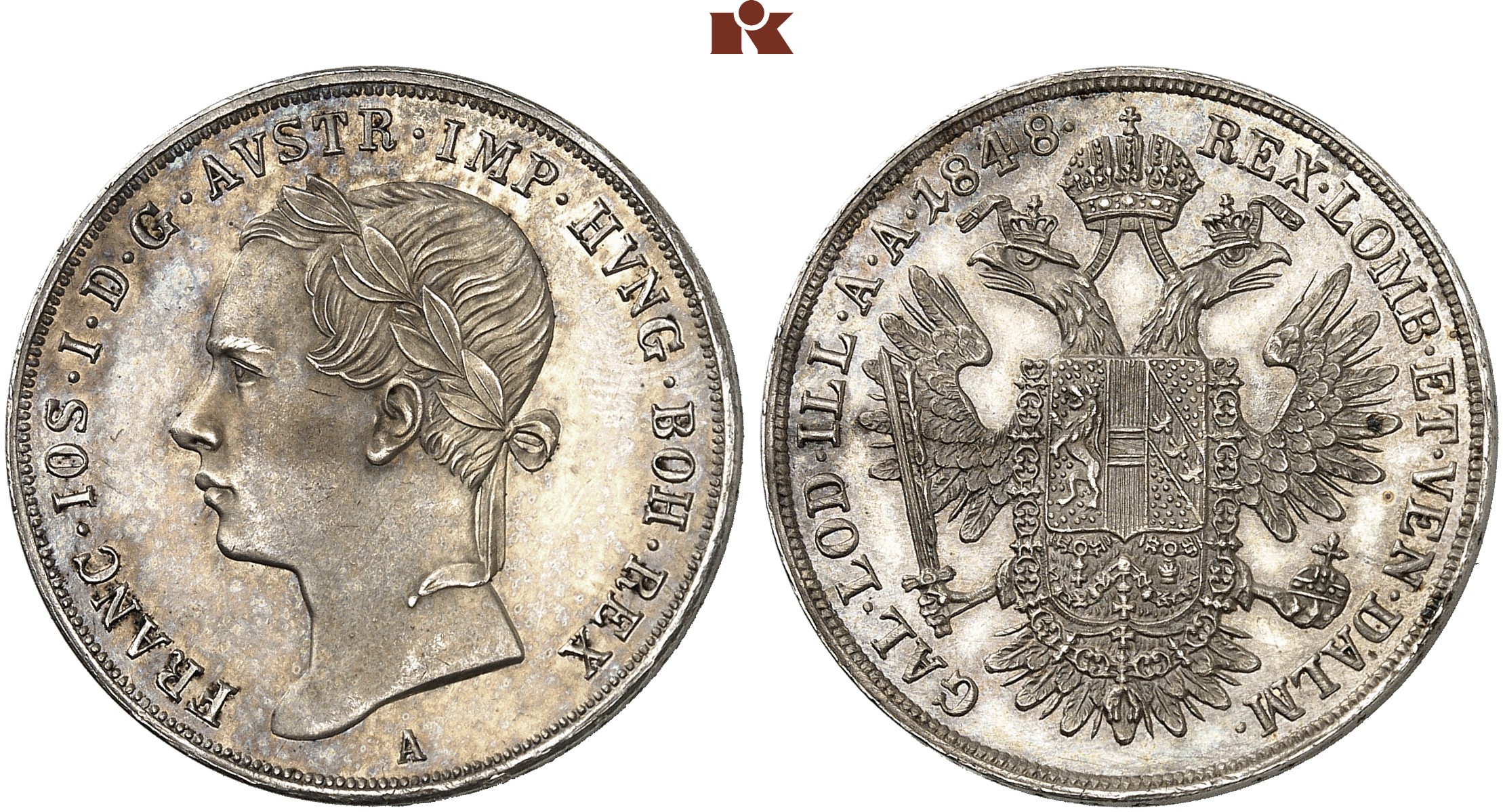
KAISERREICH ÖSTERREICH Franz Josef I., 1848-1916. 1/2 Konv.-Taler (Gulden) 1848 A, Wien.
More information
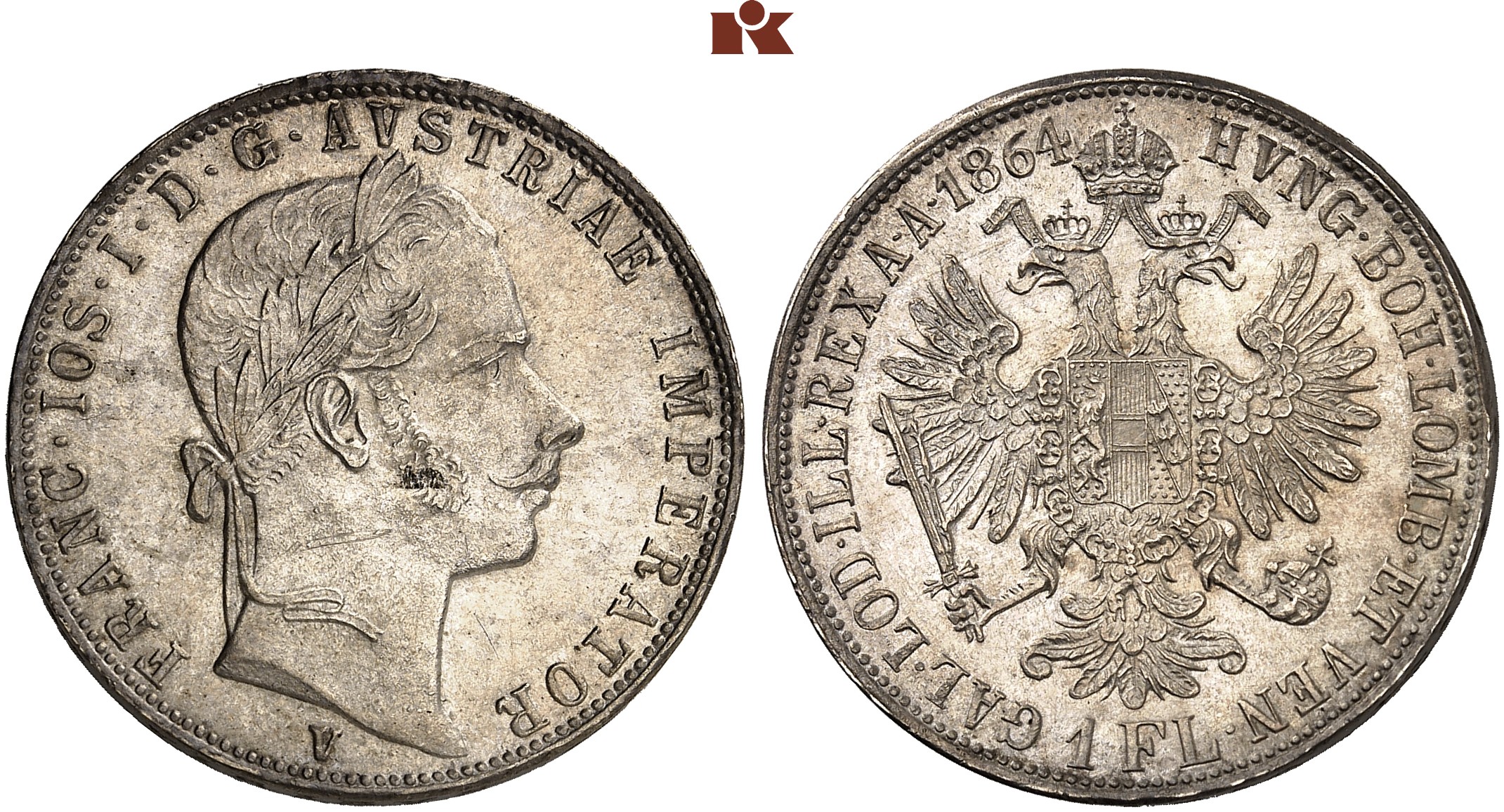
KAISERREICH ÖSTERREICH Franz Josef I., 1848-1916. Gulden 1864 V, Venedig.
More information
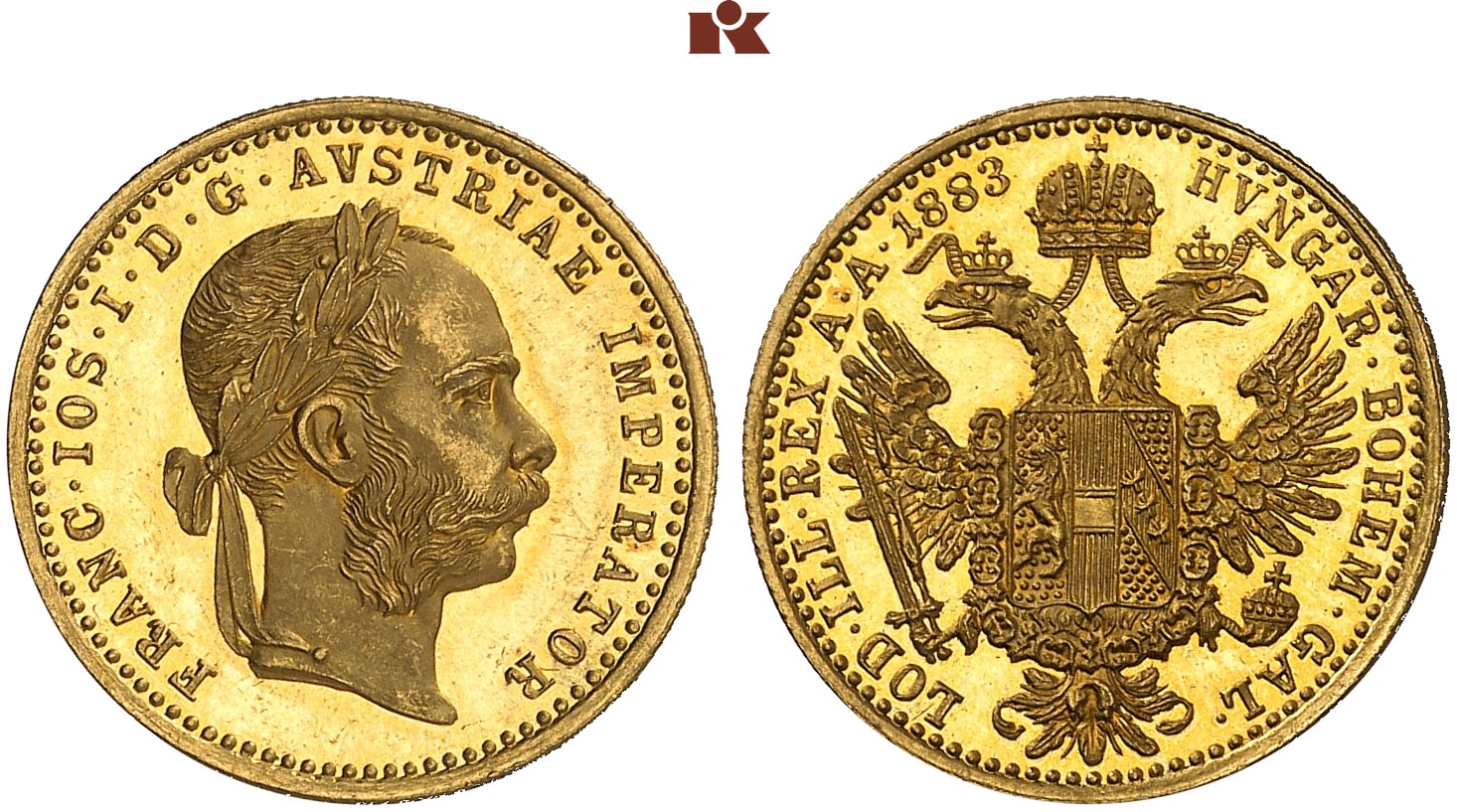
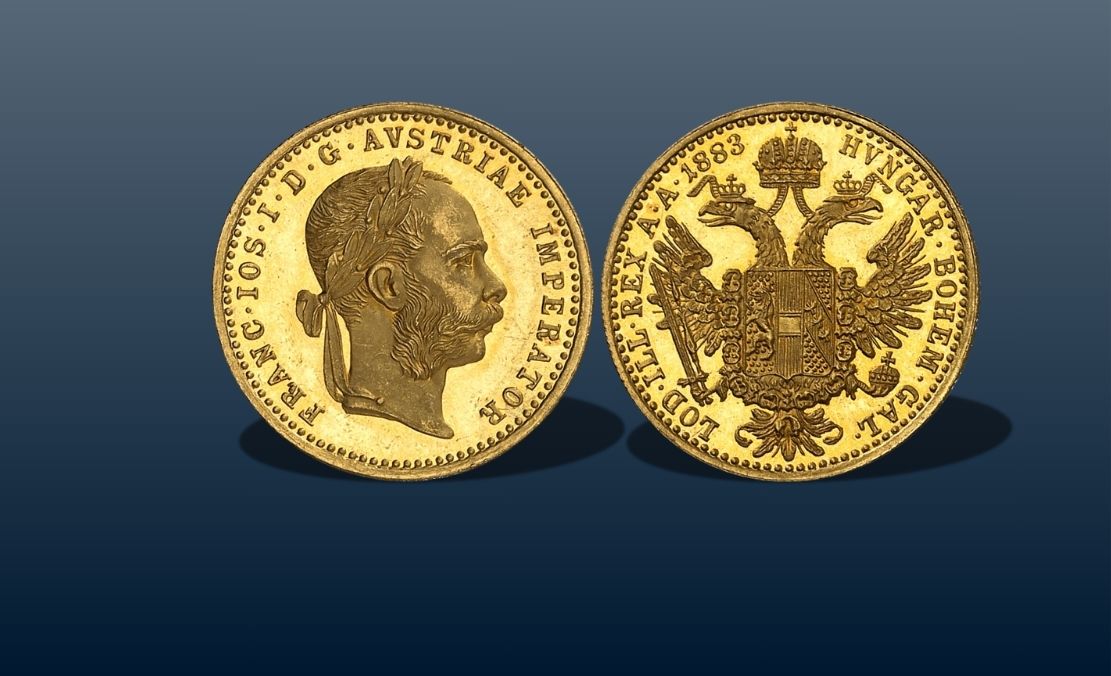
KAISERREICH ÖSTERREICH Franz Josef I., 1848-1916. Dukat 1883, Wien.
More information
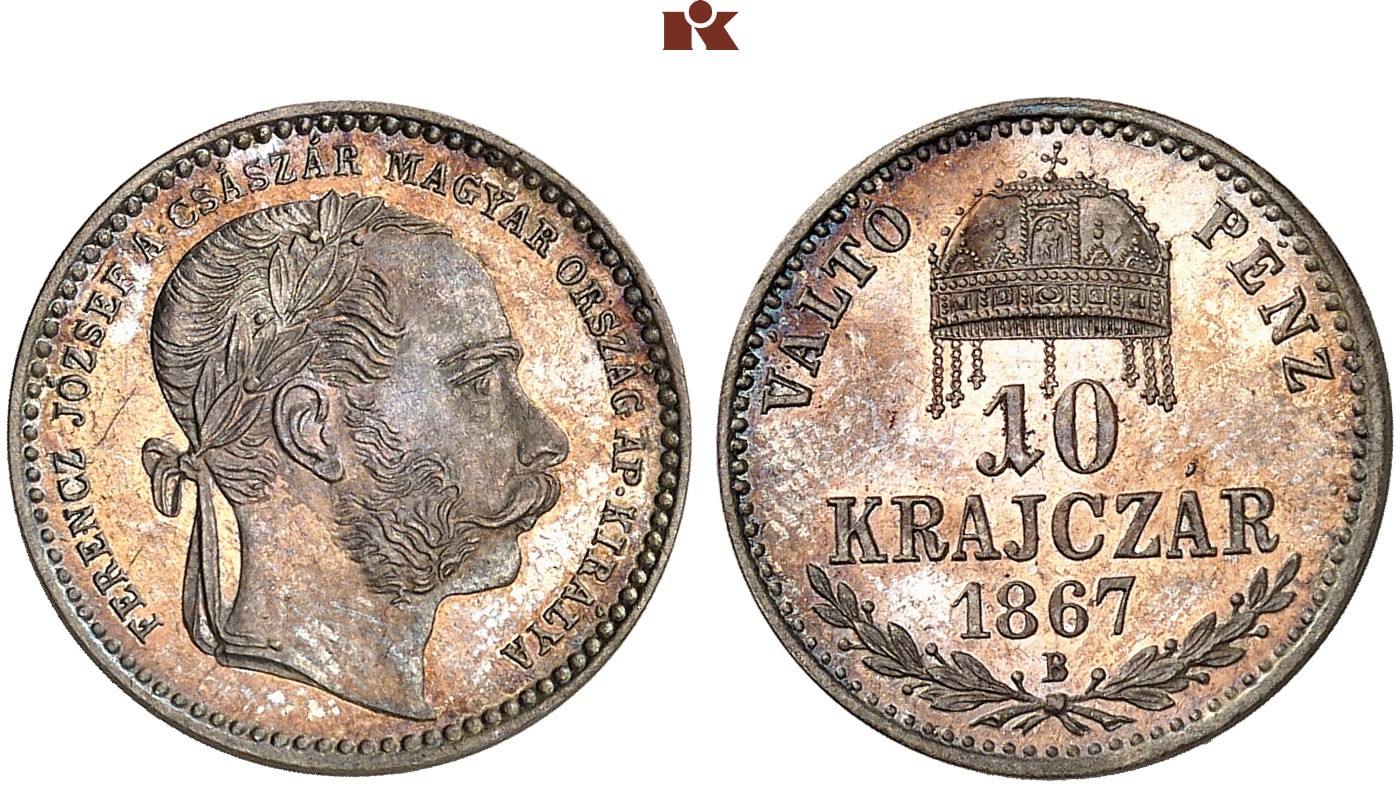
KAISERREICH ÖSTERREICH Franz Josef I., 1848-1916. 10 Krajczár 1867 B, Kremnitz.
More information
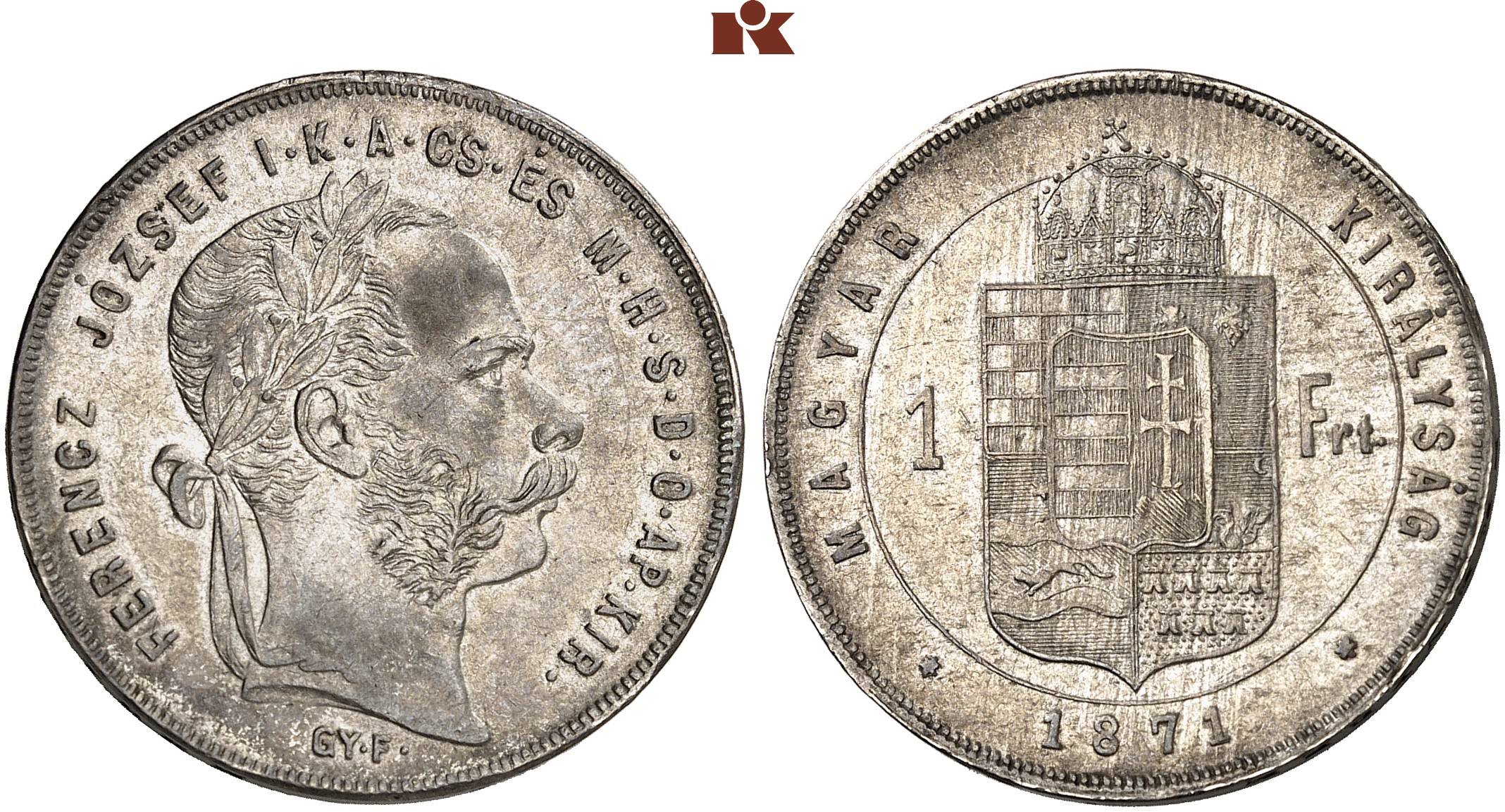
KAISERREICH ÖSTERREICH Franz Josef I., 1848-1916. Gulden (Forint) 1871 GYF, Karlsburg.
More information

KAISERREICH ÖSTERREICH Franz Josef I., 1848-1916. 20 Franken (8 Forint) 1880 KB, Kremnitz.
More information
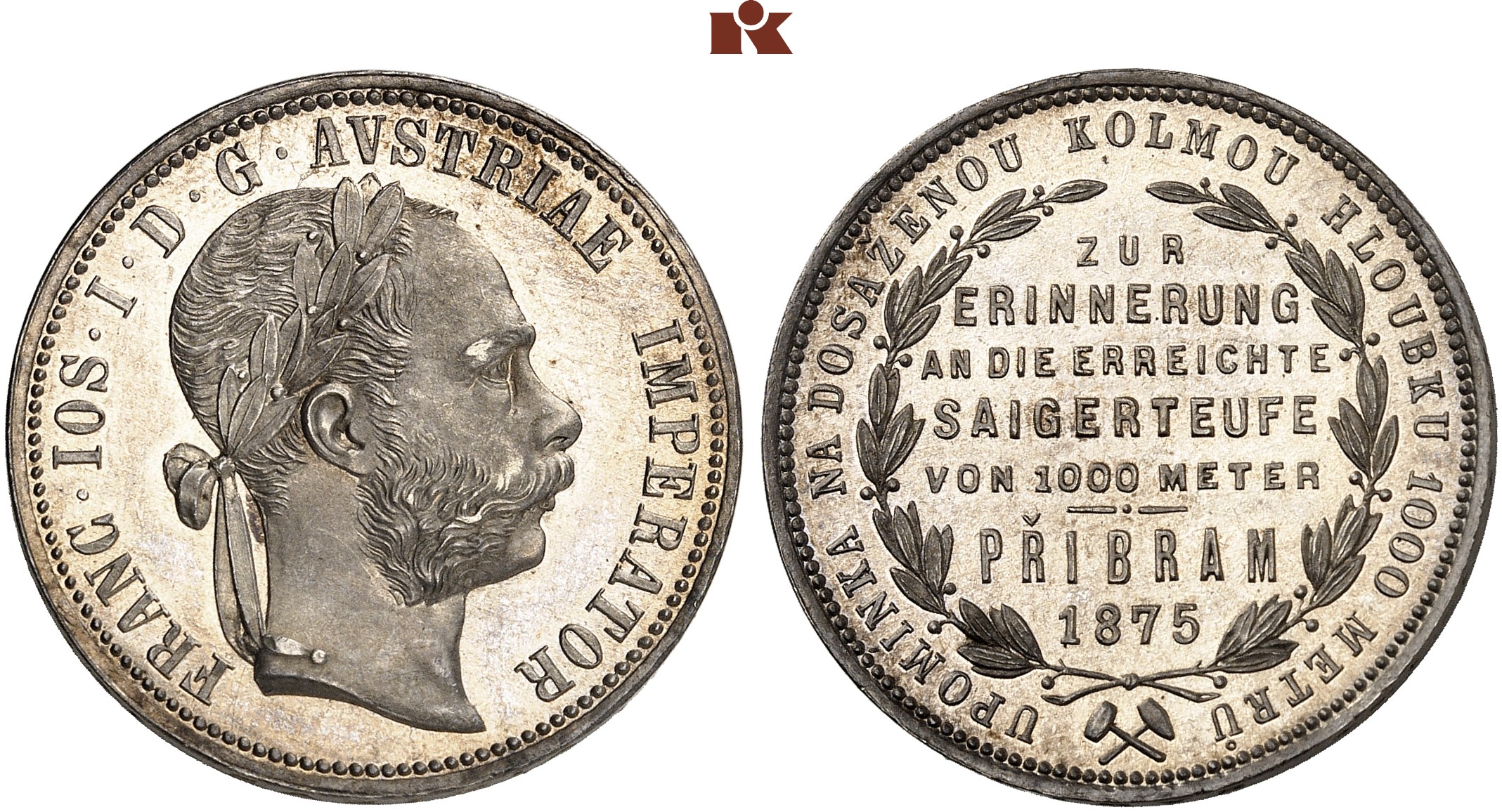
KAISERREICH ÖSTERREICH Franz Josef I., 1848-1916. Gulden 1875.
More information
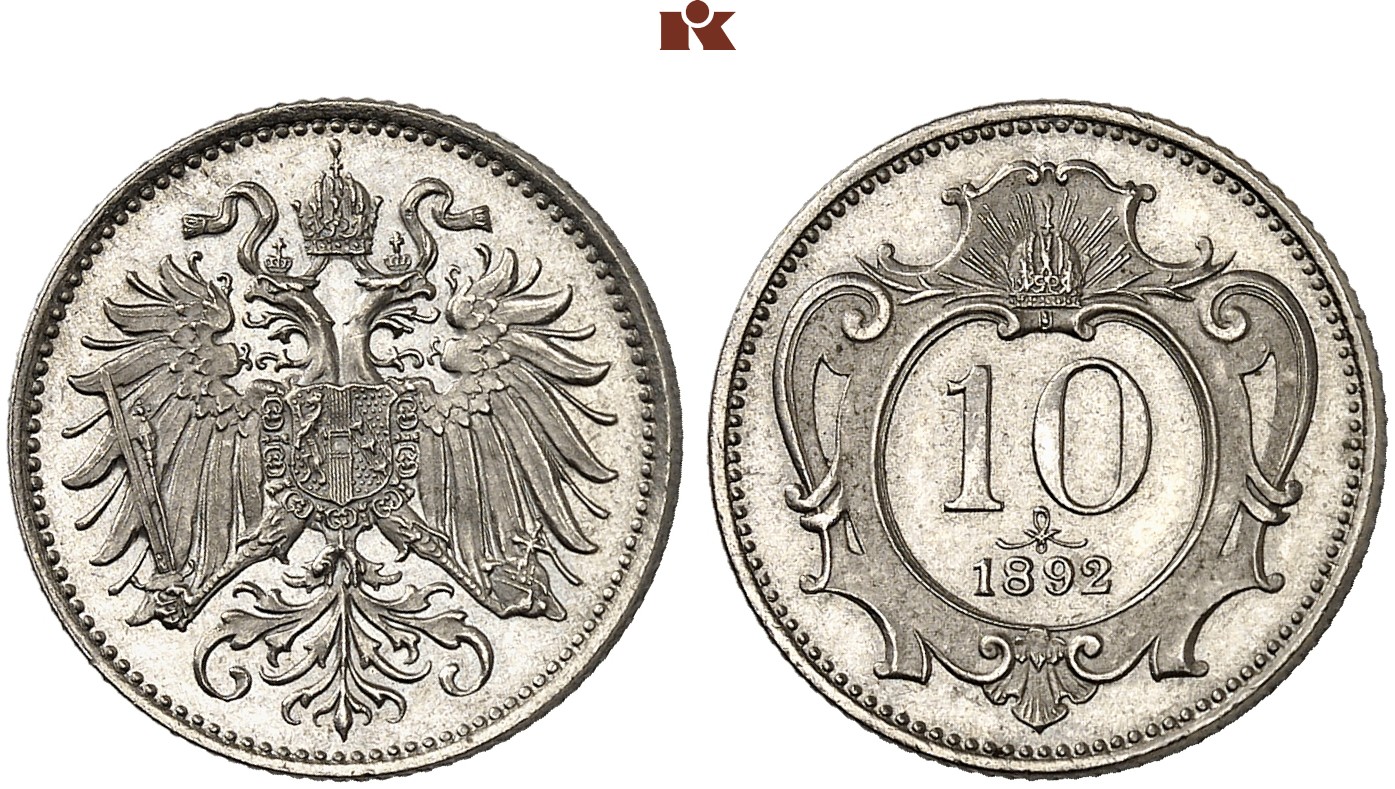
KAISERREICH ÖSTERREICH Franz Josef I., 1848-1916. 10 Heller 1892, Wien.
More information

KAISERREICH ÖSTERREICH Franz Josef I., 1848-1916. 20 Kronen 1911, Wien.
More information
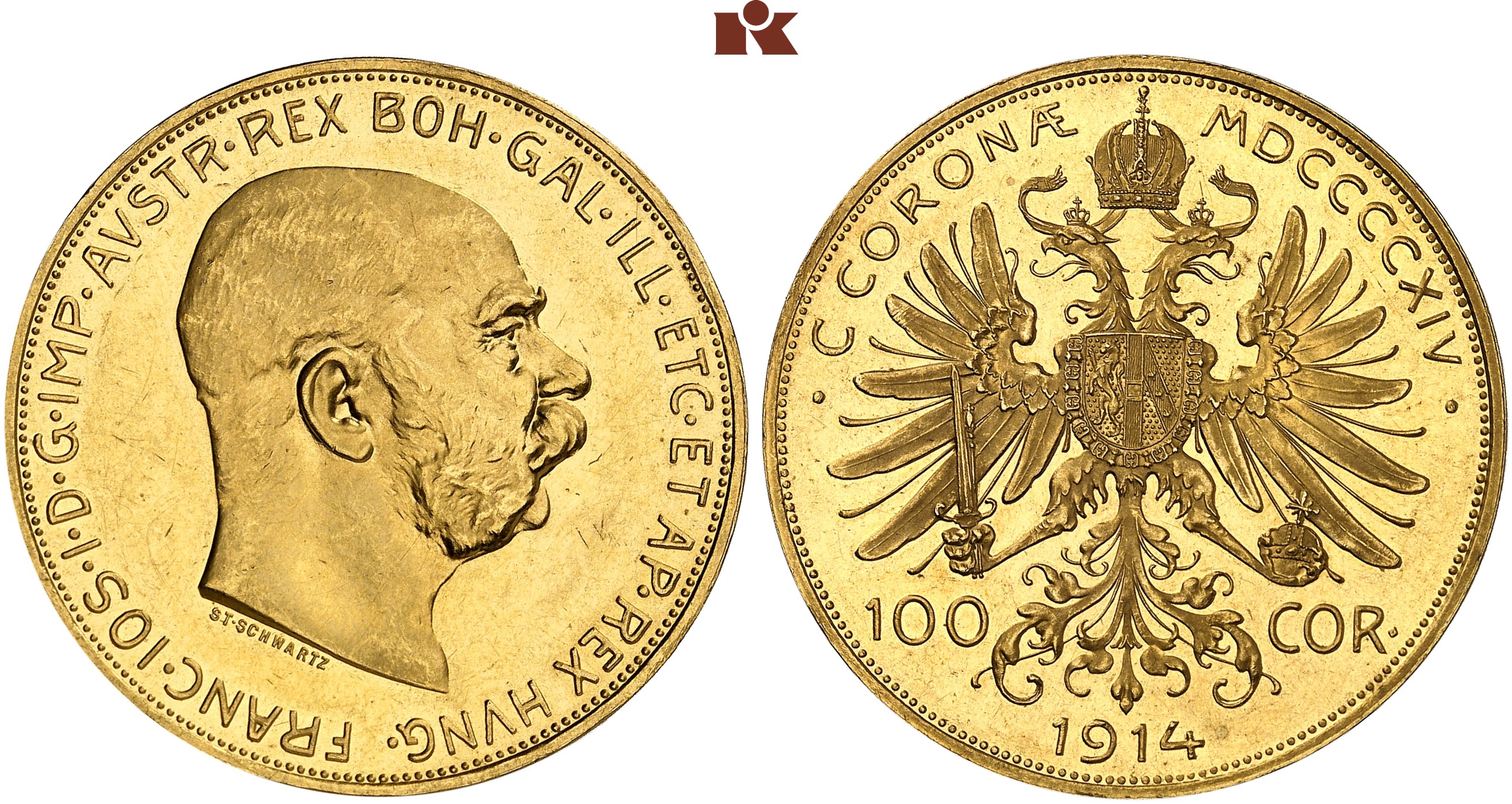
KAISERREICH ÖSTERREICH Franz Josef I., 1848-1916. 100 Kronen 1914, Wien.
More information
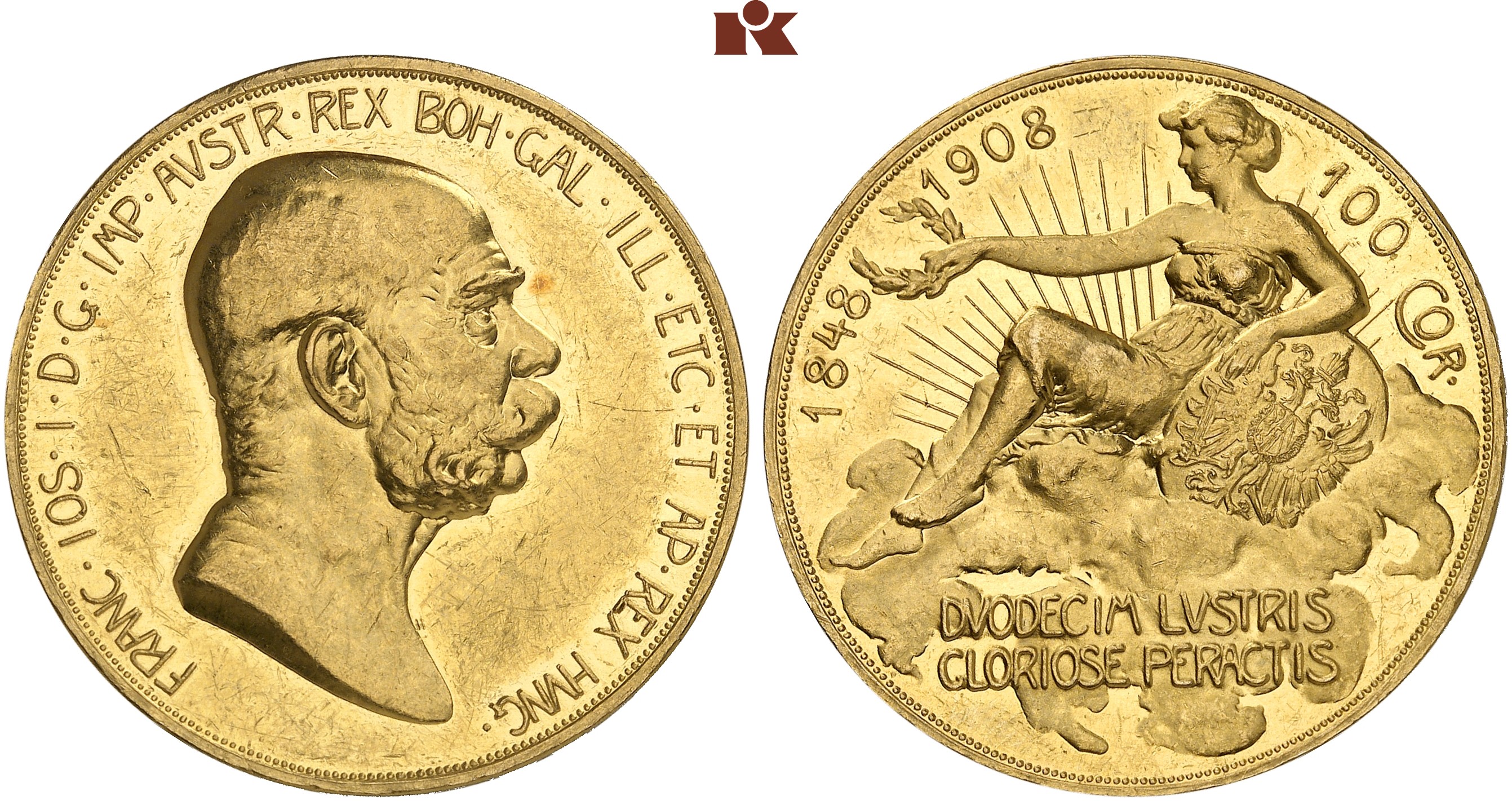
KAISERREICH ÖSTERREICH Franz Josef I., 1848-1916. 100 Kronen 1908, Wien,
More information
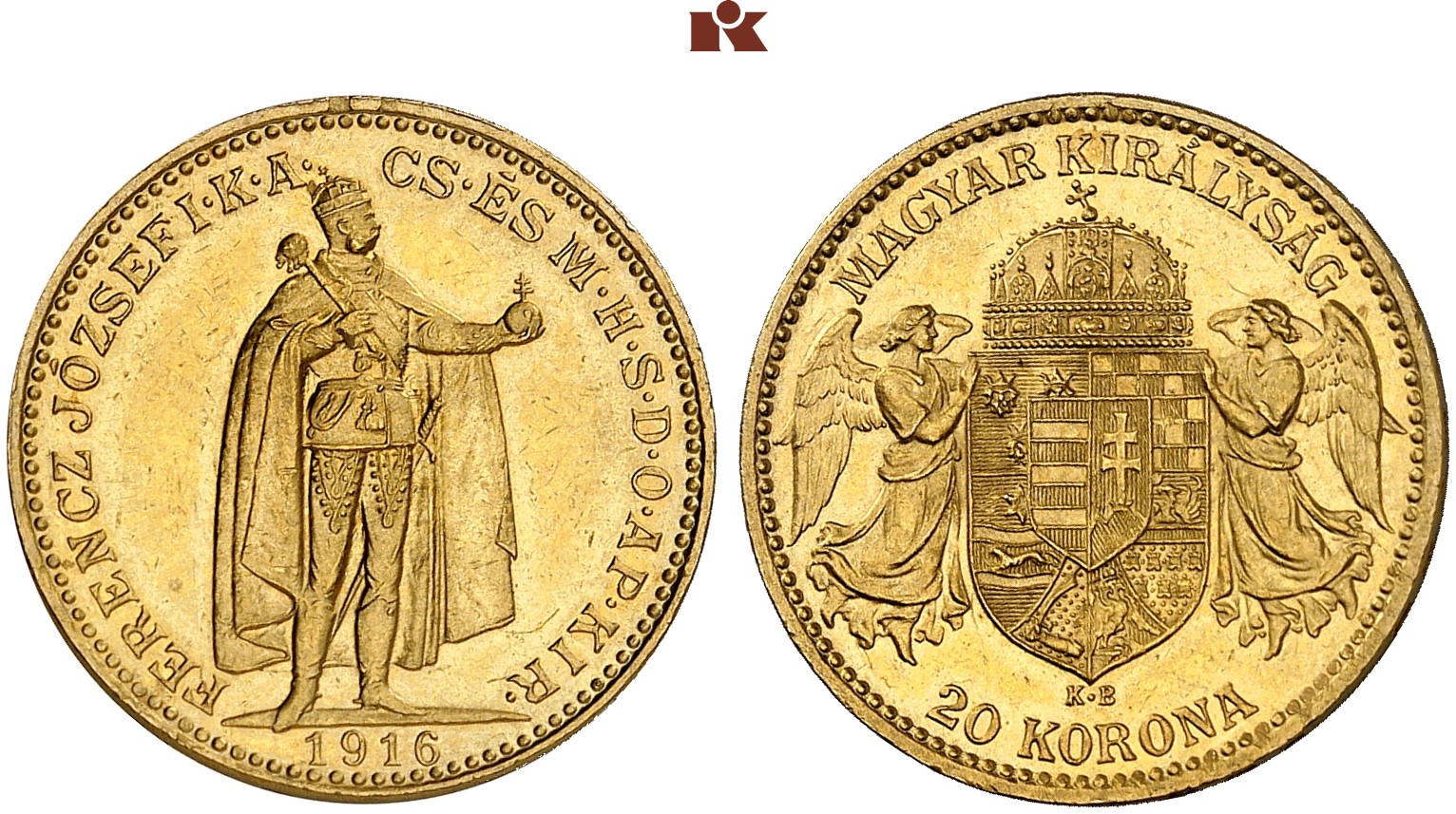
KAISERREICH ÖSTERREICH Franz Josef I., 1848-1916. 20 Kronen 1916 KB, Kremnitz.
More information