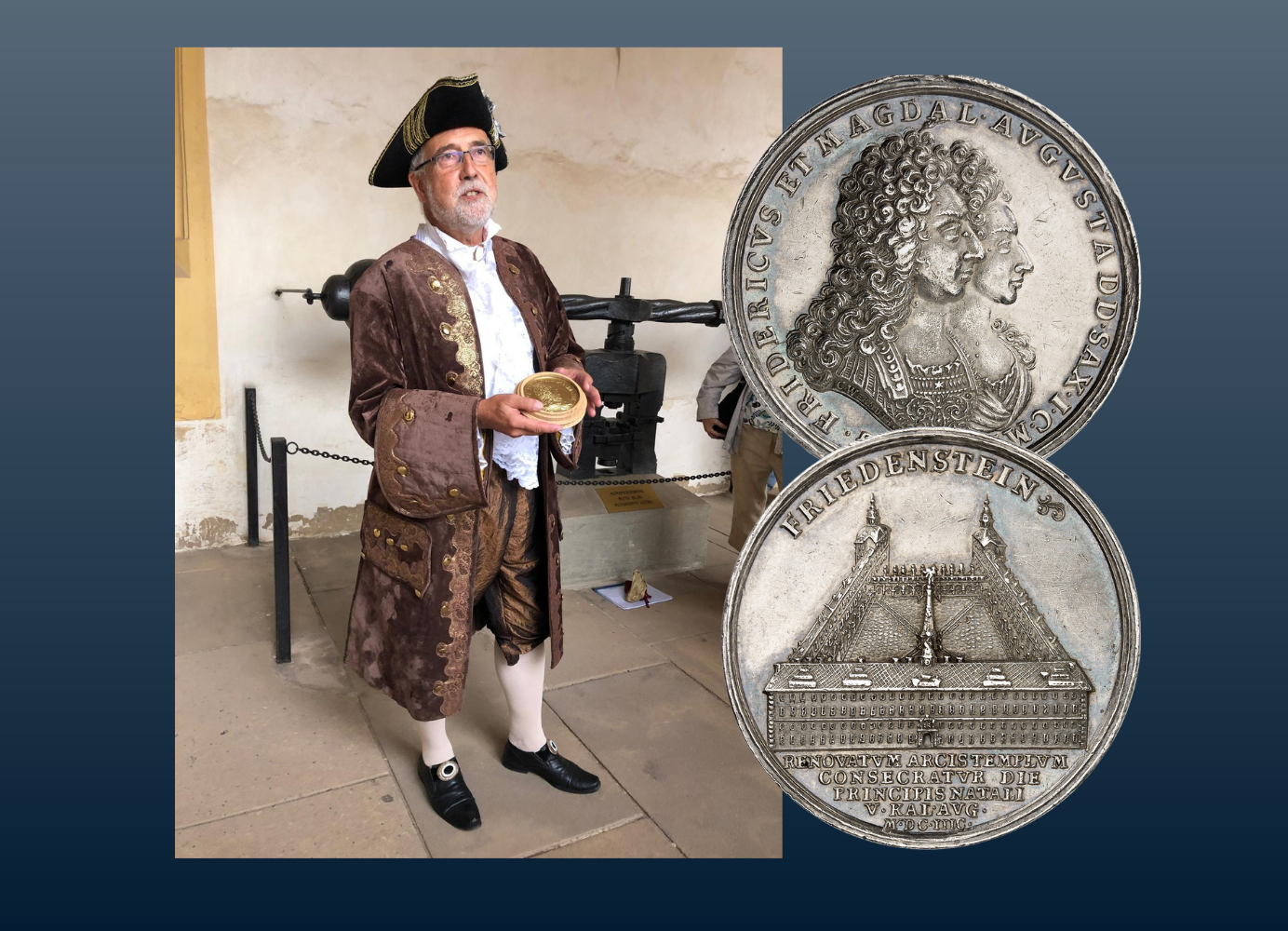
Wolfgang Hans Kümpfel was born in Gotha, Thuringia, in 1952 to a family of refugees from the Sudetenland. Dr Kümpfel grew up in a sheltered environment. He repaid his parents’ support in enabling him to focus on his schoolwork with ambition and excellent grades. He attended the Arnoldi Secondary School in Gotha and went on to study chemistry at Friedrich Schiller University in Jena, graduating with a degree in 1975. He then earned his doctorate with honours Dr. rer. nat. in 1981. Dr Kümpfel worked in research in the 1980s as Deputy Head of Department at VEB Jenapharm, developing new medical plasters, and moved to the pharmaceutical sales force in 1991. Despite extensive travel, Gotha remained the centre of his life and the focus of his numismatic activities. His grandfather had first sparked his interest in coin collecting with stories from his homeland, where savings were kept in the cutlery box before the First World War, when gold was still part of the currency. The collector acquired his first silver coins and, in 1981, a ten-mark gold coin from Prussia, in a process of uncoordinated buying and selling. After moving from Jena to Gotha in 1983, he attended his first auctions in Leipzig and Meiningen, acquired Dr Steguweit’s book on the Gotha mint, and the “Ernestine”/Saxon royal seat increasingly became the focus of his collecting passion.
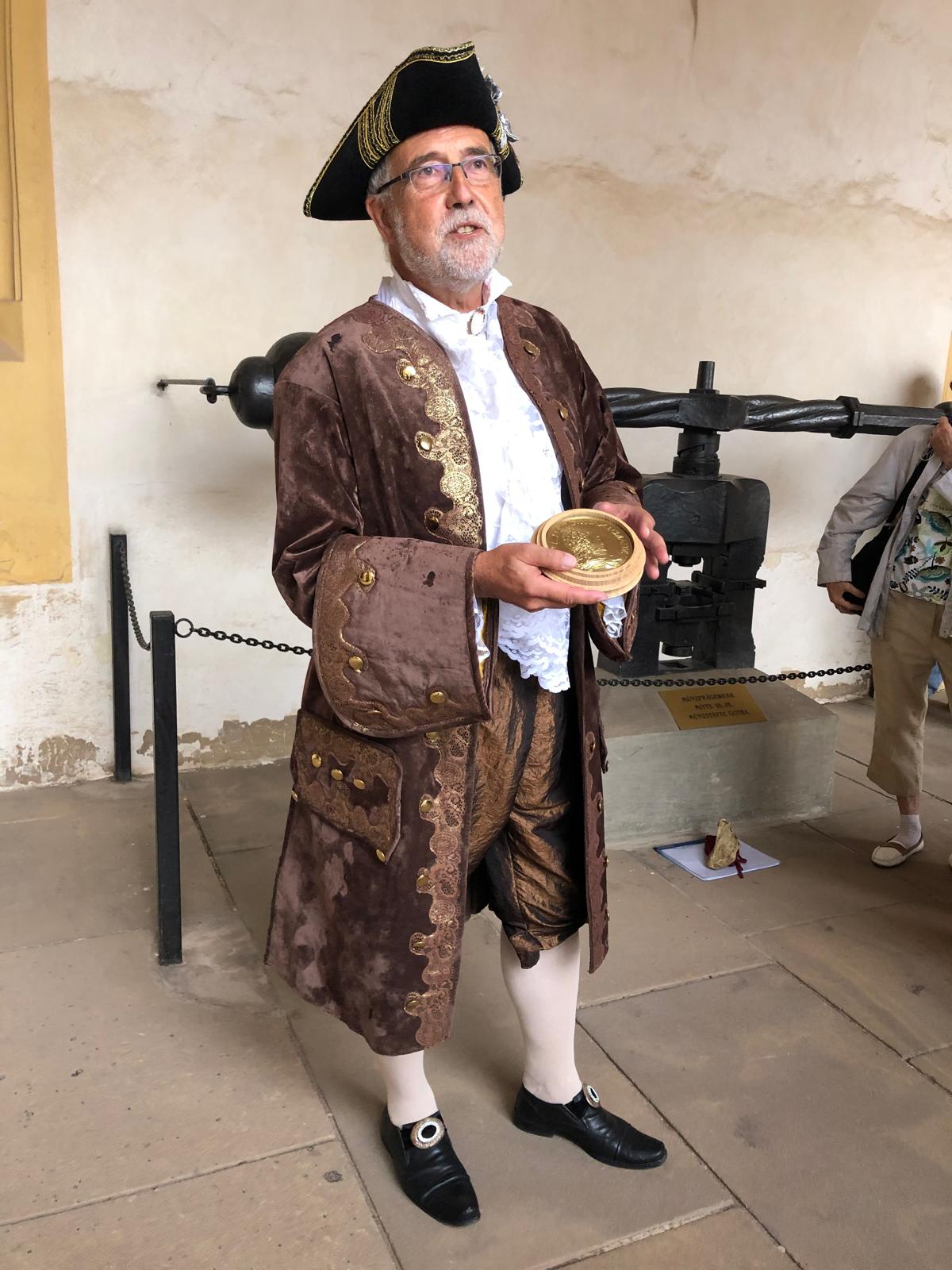
Maturing as a numismatist through contacts with contemporary medallists from Thuringia, such as Helmut König from Zella-Mehlis, Paul Schack, and Horst Walther; integrated increasingly into collector circles; and through his relationship with the Gotha Coin Cabinet, famous throughout Germany, he developed his hobby with great zeal and meticulousness. He finds the historical aspects particularly exciting, some of which extend into the present day.
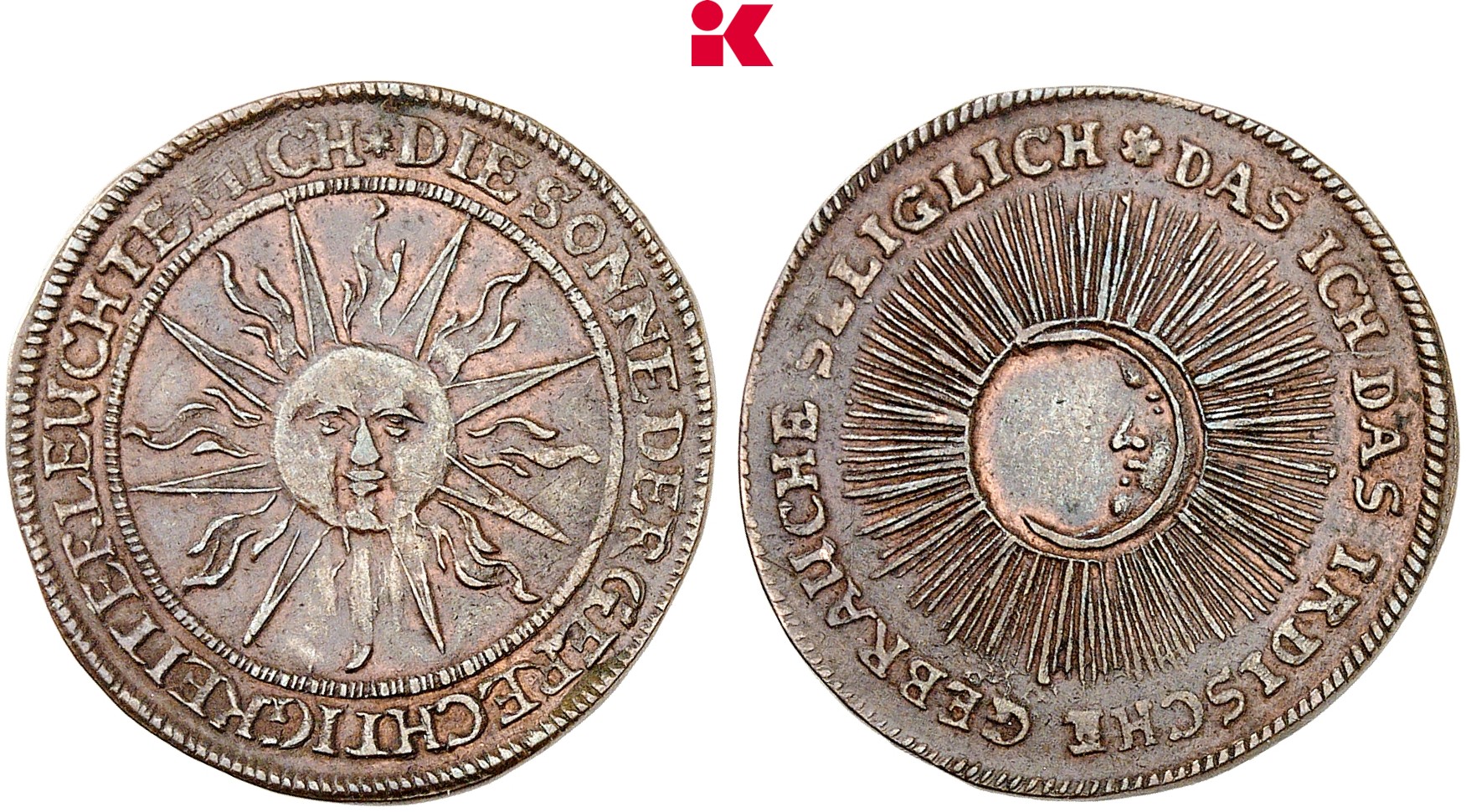
This can be illustrated with a few examples: One of the best die-cutters of the Baroque period was Christian Wermuth, who lived in Gotha. His motif of a medal with the sun and moon (Lot 4515) was taken up by the painters in the west wing of Friedenstein Palace. Here, they depicted the “small light of the moon” (a reference to Duke Emil August) on the ceiling of the room, closely adjacent to the sun (a reference to the godlike Napoleon Bonaparte, whom the Duke admired tremendously).
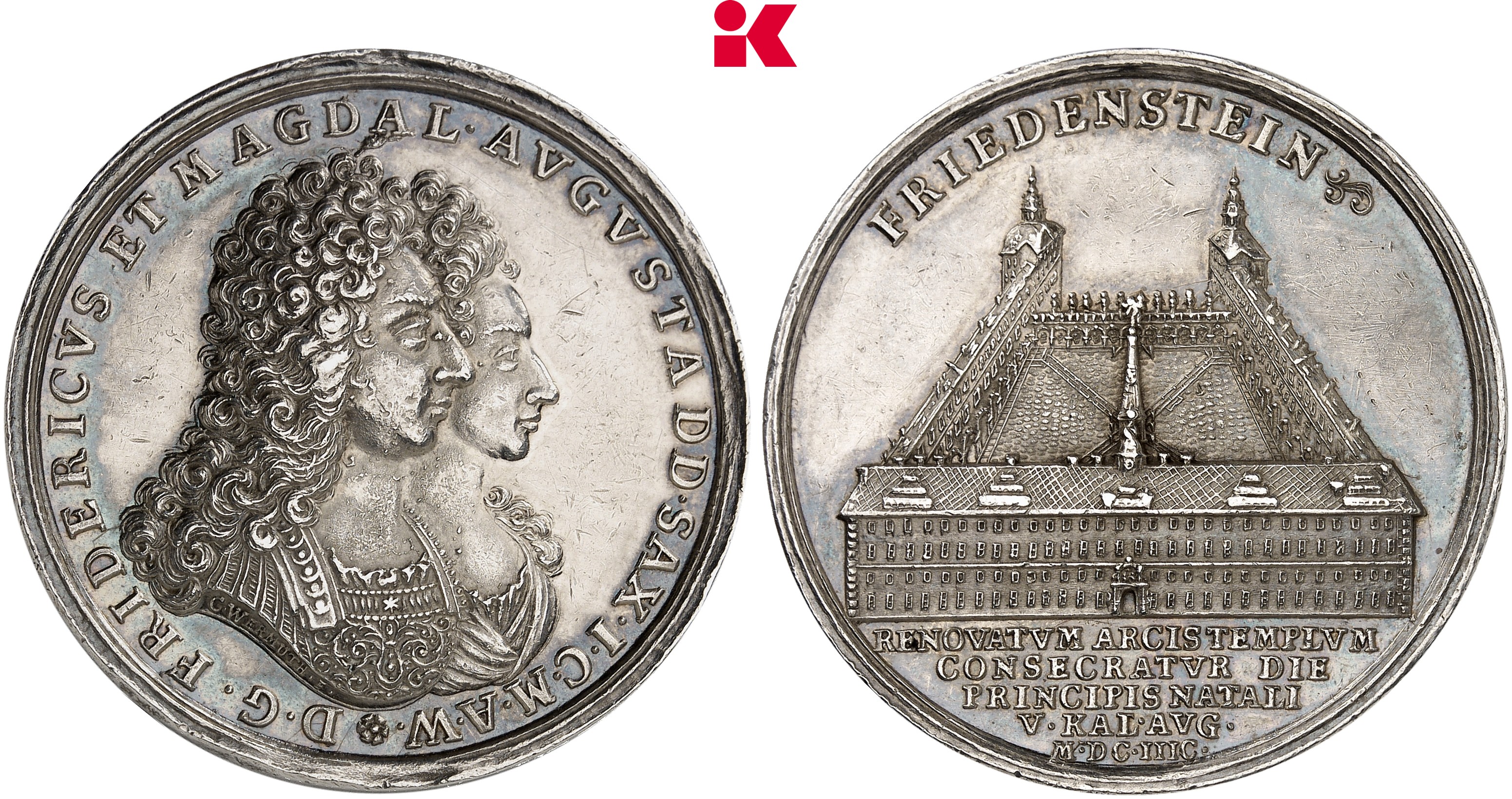
Wermuth also created a Baroque medal in 1697 commemorating the consecration of St. Trinity Church at Friedenstein Palace, showing a bird’s-eye view with an obelisk in the middle of the castle courtyard seen from the town side. At first, it was assumed that this had been added to the medal for reasons of symmetry. It is now known that it really did exist, but had to be demolished after just over a year due to dilapidation. (Lot 4517). For collectors, this is proof that such gems had documentary value and were therefore rightly kept in the library as historical documents rather than in the art chamber. To store “his treasures”, Frederick II of Saxe-Gotha-Altenburg built a coin cabinet in the library in 1713. Today, the historic coin cabinet is considered a unique Baroque institution.
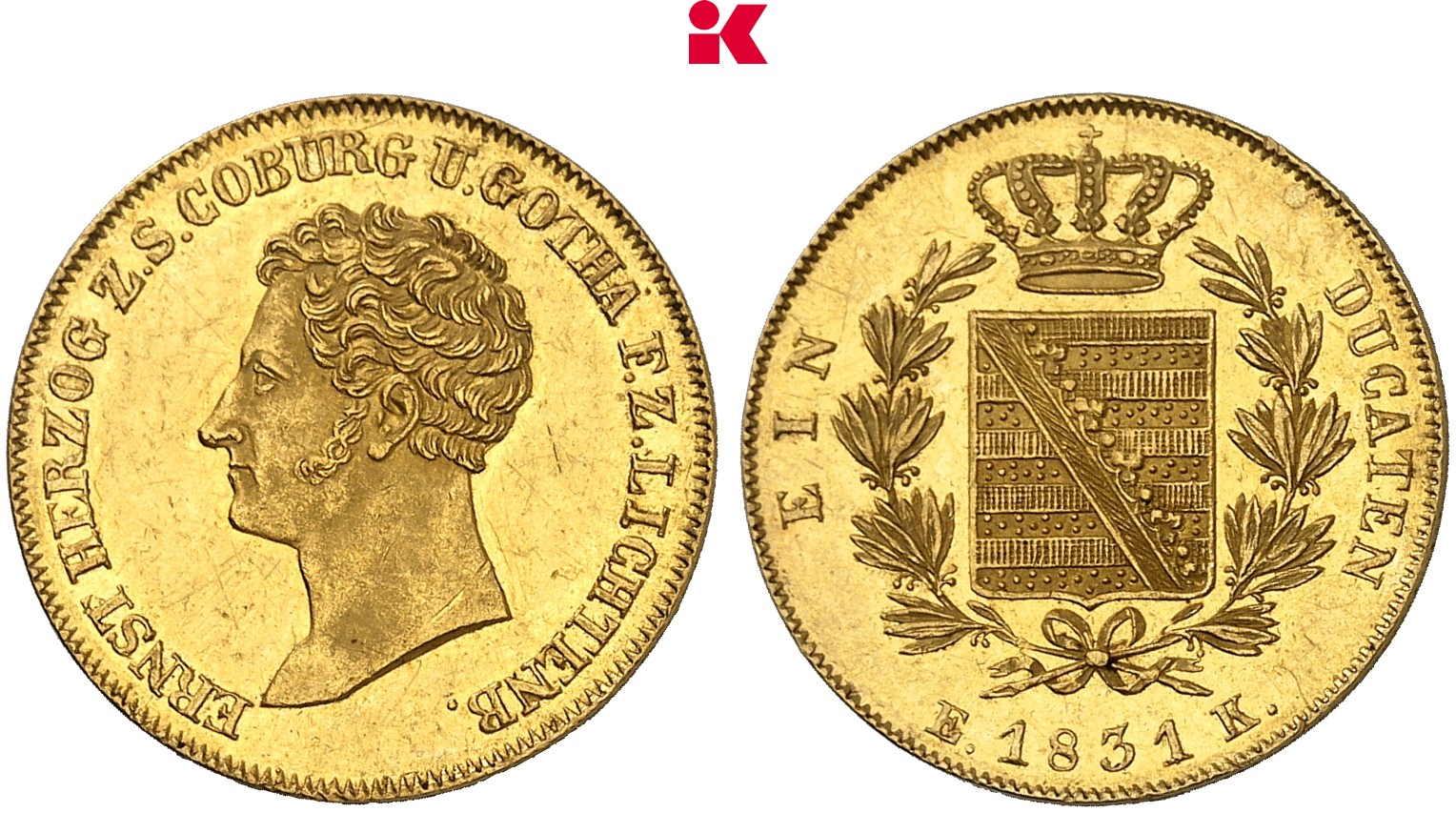
For Dr Kümpfel, a highlight of his special collection is a ducat from 1831 (Lot 4540), minted under Ernst I of Saxe-Coburg and Gotha. This is the first ducat of the newlydivided duchy in the year of the death of Luise -- the mother of Albert, Prince Consort of Queen Victoria of England, after whom the Victorian era was later named. Following Gotha’s celebration of its 1250th anniversary last year, the time has come for Dr Kümpfel to sell his collection. Collecting coins and medals and exchanging numismatic items has always given him great pleasure, and he is now delighted to see his treasures being collected by other coin enthusiasts.
However, he is not quite finished with Gotha. Dr Wolfgang Kümpfel sees himself not only as a collector but also, in his “new profession”, as an ambassador for the history of Gotha. During guided tours of the palace and the medieval Altstadt (old town), Dr Kümpfel passes on his knowledge and passion for Gotha’s history and coinage to the current and younger generations, to Gotha residents and tourists alike.