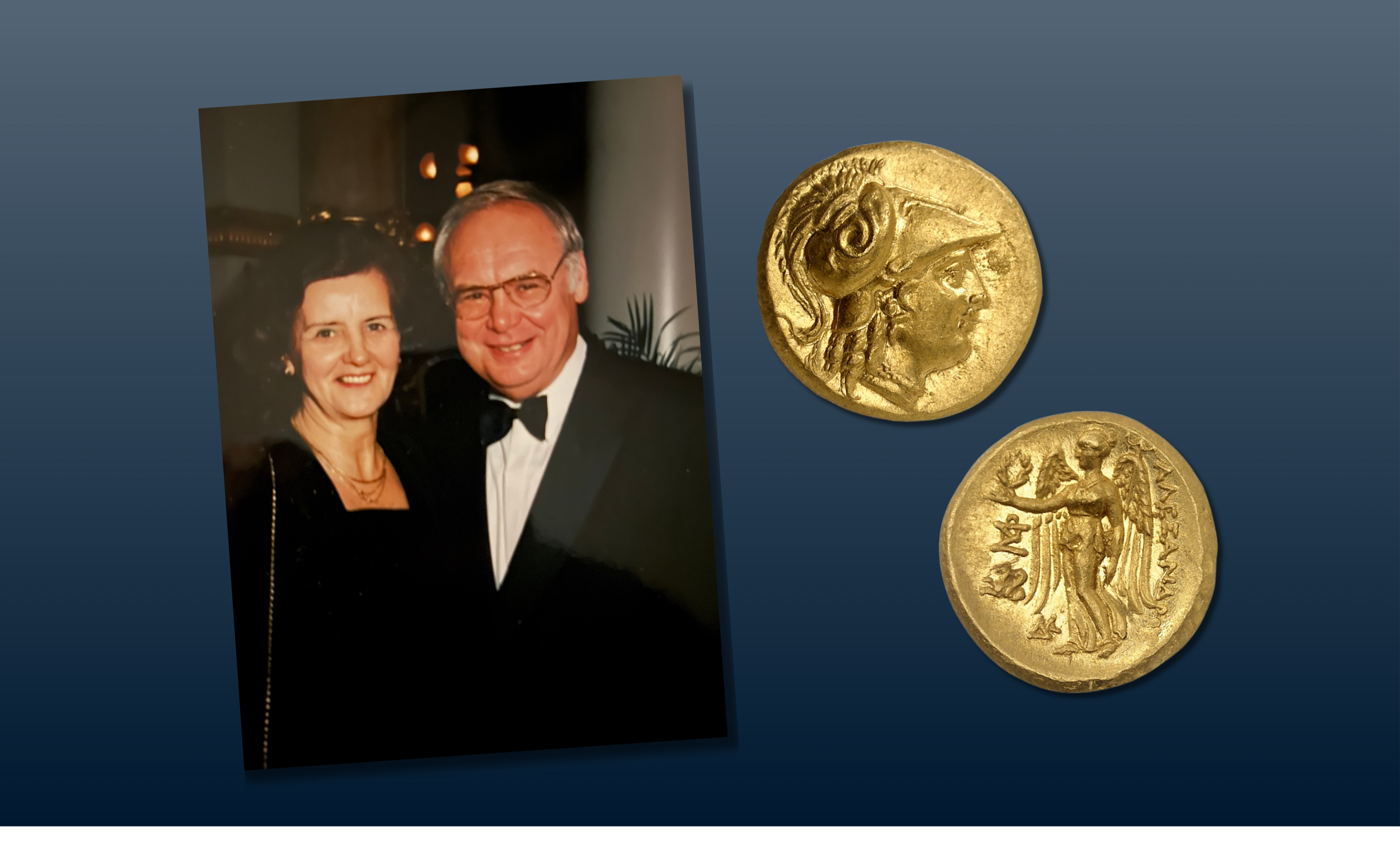
Erika Gabriel was born on 7 August 1937 in East Prussia and grew up in the district of Tilsit. Forced to flee during the war, the family found a new home with relatives in Büchen, Holstein (in the district of the former duchy of Lauenburg). After completing a banking apprenticeship and gaining several years of practical experience, she took a position with the Braunschweigische Landessparkasse bank, which is now part of the Norddeutsche Landesbank. She had relatives in Braunschweig and felt very much at home in the city on the Oker River.
This was probably also due to the fact that she met her future husband Jürgen Schmidt (born on 16 May 1940) there, whose parents ran a bakery in Braunschweig. Jürgen Schmidt was a trained industrial clerk, and in 1967 he received an offer from the Sartorius biopharmaceuticals company in Göttingen. The couple moved to that city and Jürgen Schmidt pursued a career with Sartorius. He initially worked in sales and developed a good personal relationship with the owner, Horst Sartorius, who strongly supported and encouraged him professionally. In an important career move, Jürgen Schmidt spent seven years in the late 1970s and early 1980s establishing the Sartorius branch in San Francisco.
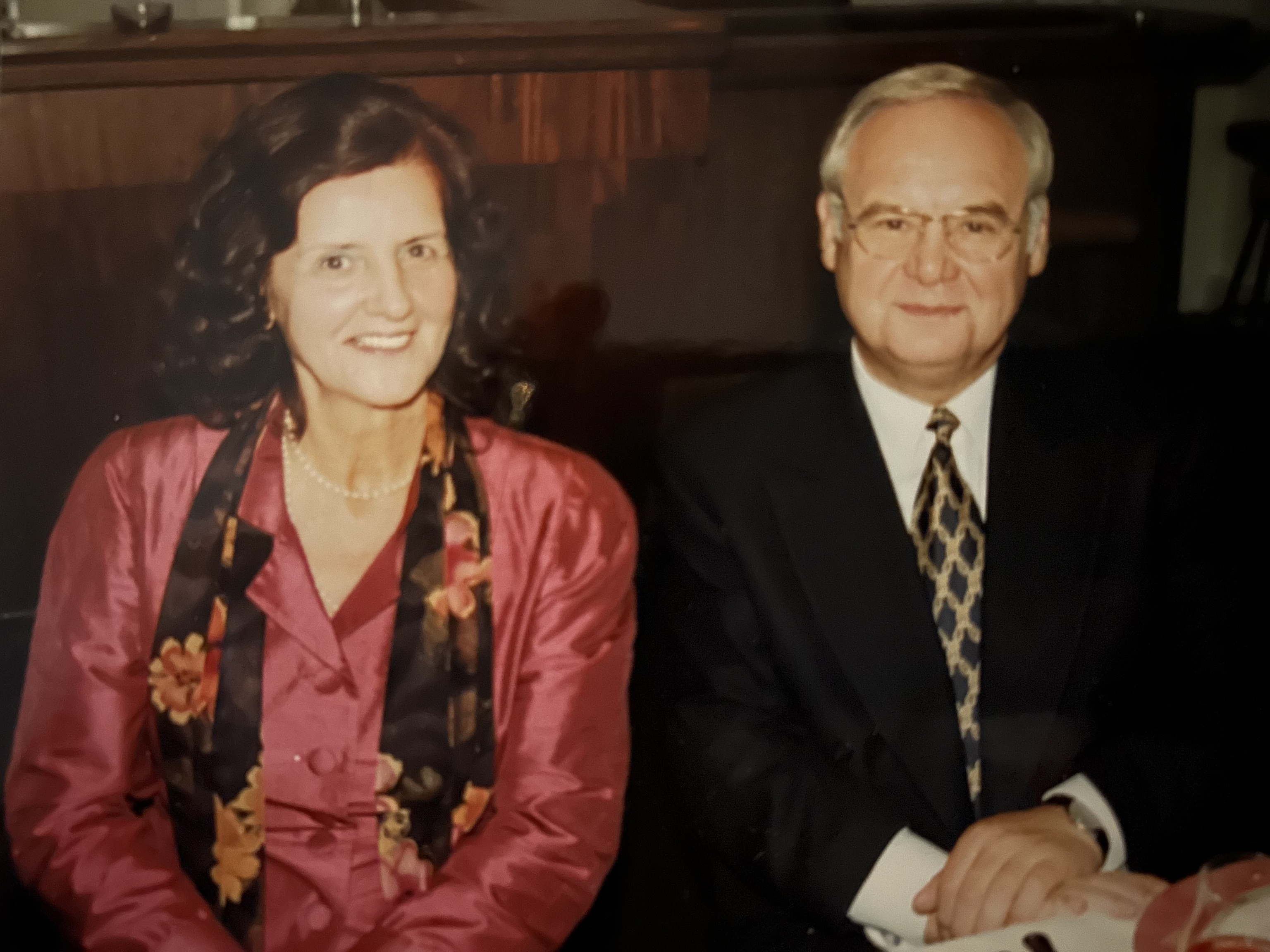
Before the Schmidts moved to California, they had built a spacious house in Bovenden near Göttingen, as it was always their plan to return to Göttingen; they rented out the house during their years in San Francisco. Once the San Francisco branch was up and running smoothly, Jürgen Schmidt was called back to Göttingen in 1986 and was appointed to the management board. In 1990, he was promoted to Chief Sales Officer, a position involving regular long-distance travel. The powerfully- built Jürgen Schmidt acquired the nickname “Jumbo Schmidt” within the company.
Jürgen Schmidt had been enthusiastic about correspondence chess since his youth, in which players communicated their next moves by postcard or letter, and was honored as an international grandmaster by the World Chess Federation. However, this hobby had to take a back seat due to his heavy workload. He now concentrated in his free time, which the couple enjoyed spending at their holiday home in Jávea on the Spanish Costa Blanca, on his other great passion: his coin collection, which he maintained and expanded together with his wife. A turning point in the history of their collecting years came when the Schmidts had their collection of antique coins auctioned in the USA by Victor England and Erich McFadden in 2001. Just a few years later, after retiring from professional life, the collector couple began a new collection at the beginning of 2005– which we now present here.
This new collection was not as thematically specialised as the first, but was conceived as a cross-section of coins from the beginning of coinage history to the present day, all in excellent quality. Parallel to the collection, Jürgen Schmidt wrote a detailed explanatory text with a great deal of historical and numismatic background information. Here he noted down everything which he found interesting and worth knowing about his individual coins. Herr and Frau Schmidt formulated the concept of their joint collection as follows:
“My wife first sparked my interest in coins and made me appreciate them back in the 1960s, when she would always
give me a five-deutschmark commemorative coin for my birthday. She continues to play a decisive role with this collection,
as I usually consult with her before making a purchase. I would like to take this opportunity to thank her. A few explanations
are certainly helpful as a preface to this collection.
Erika and Jürgen Schmidt
Portrait of a Collector Couple
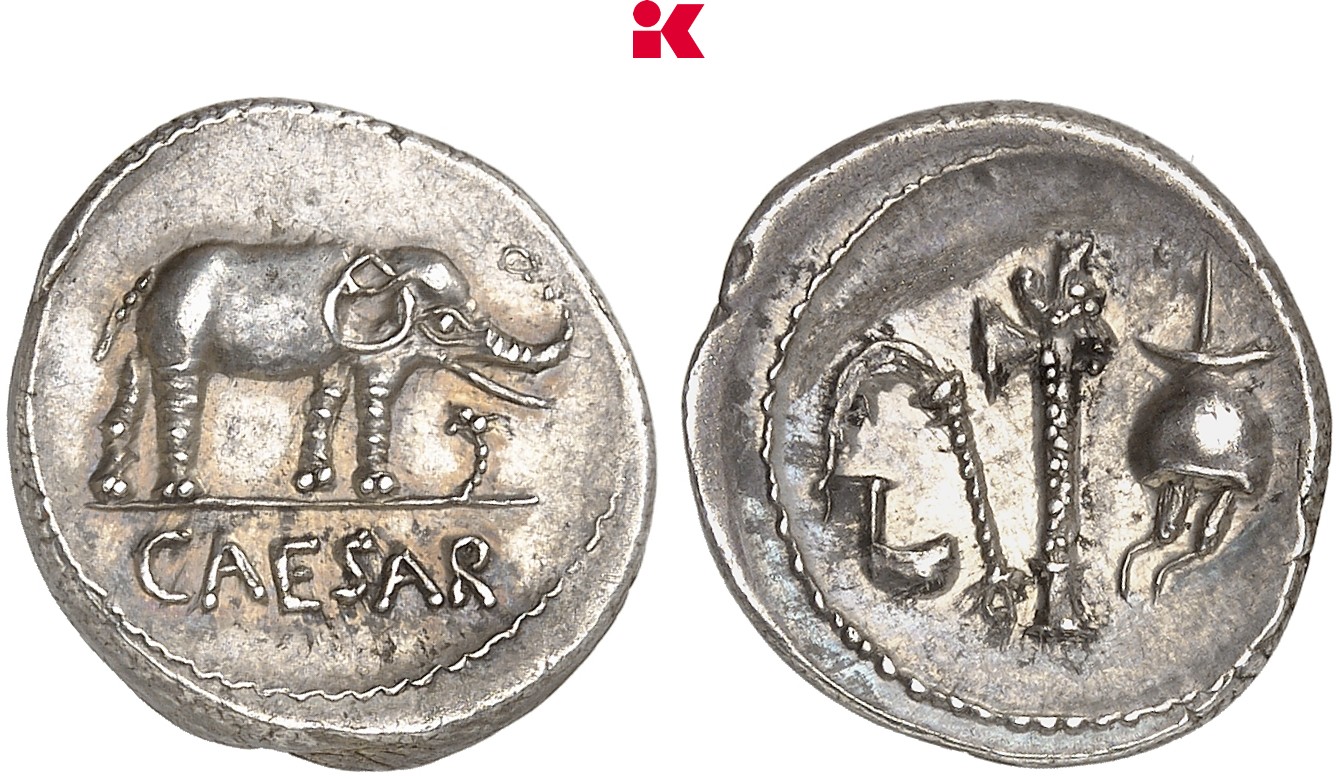
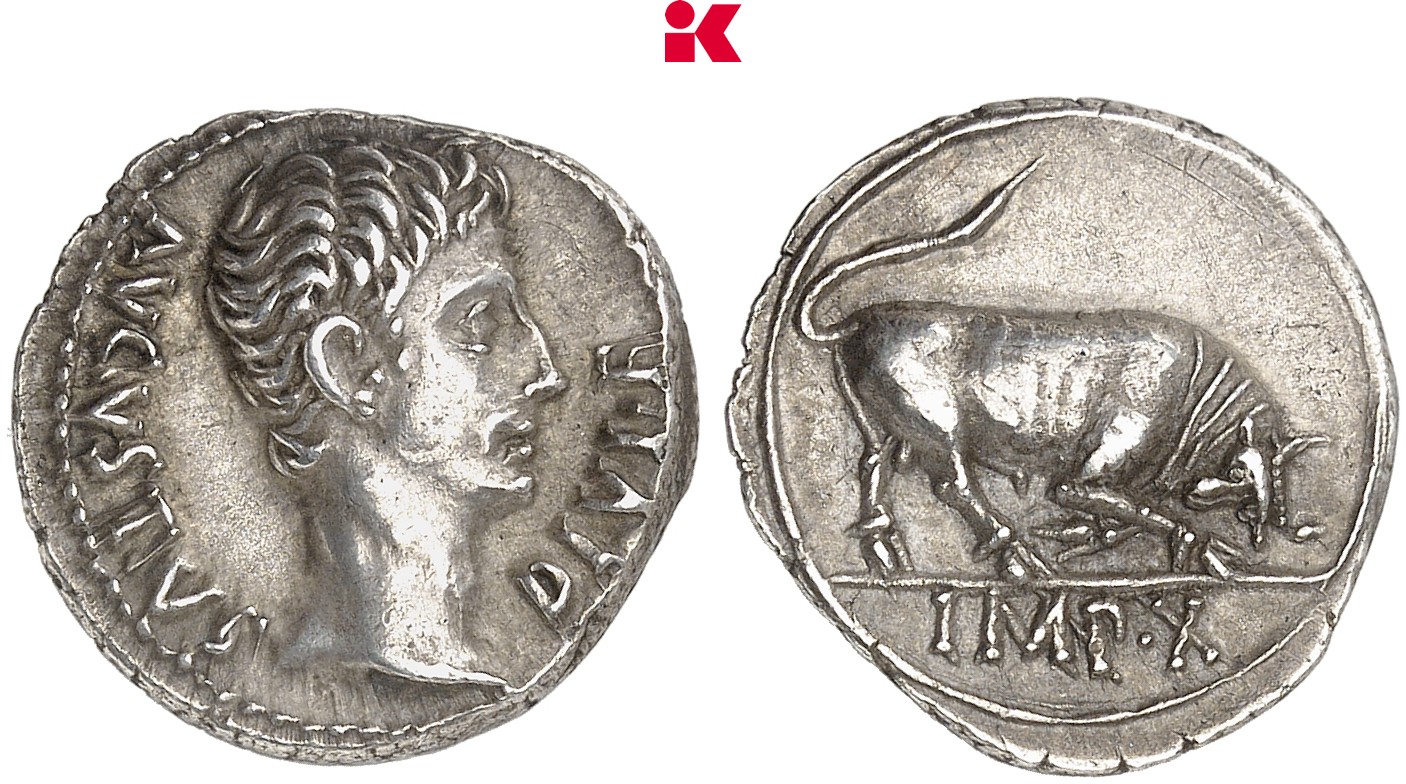
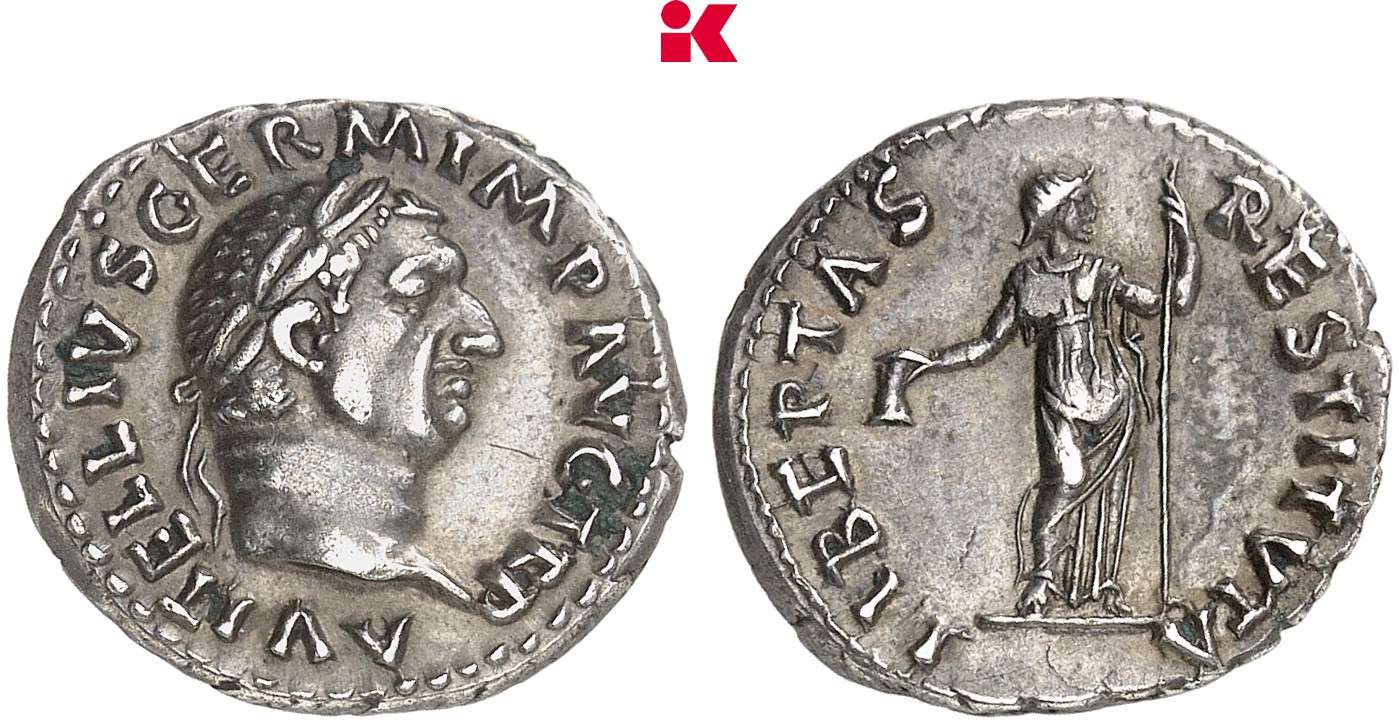
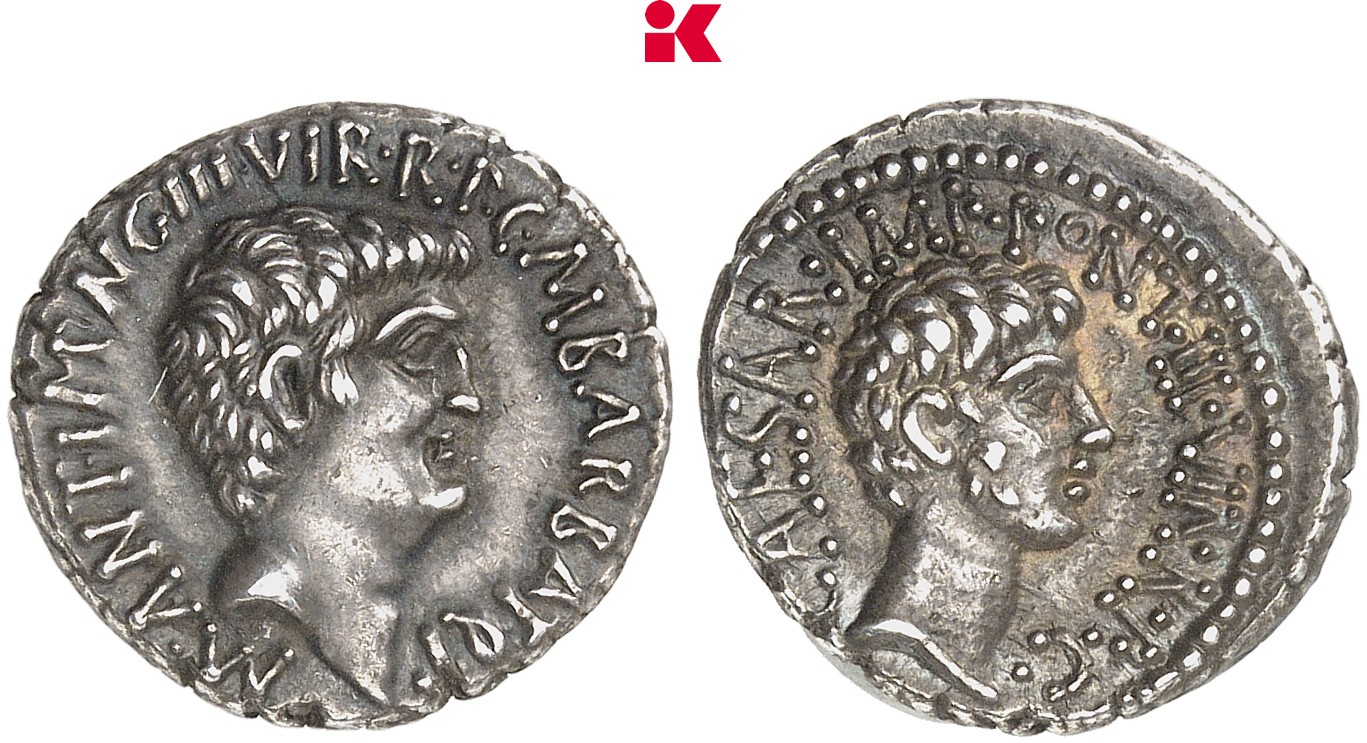
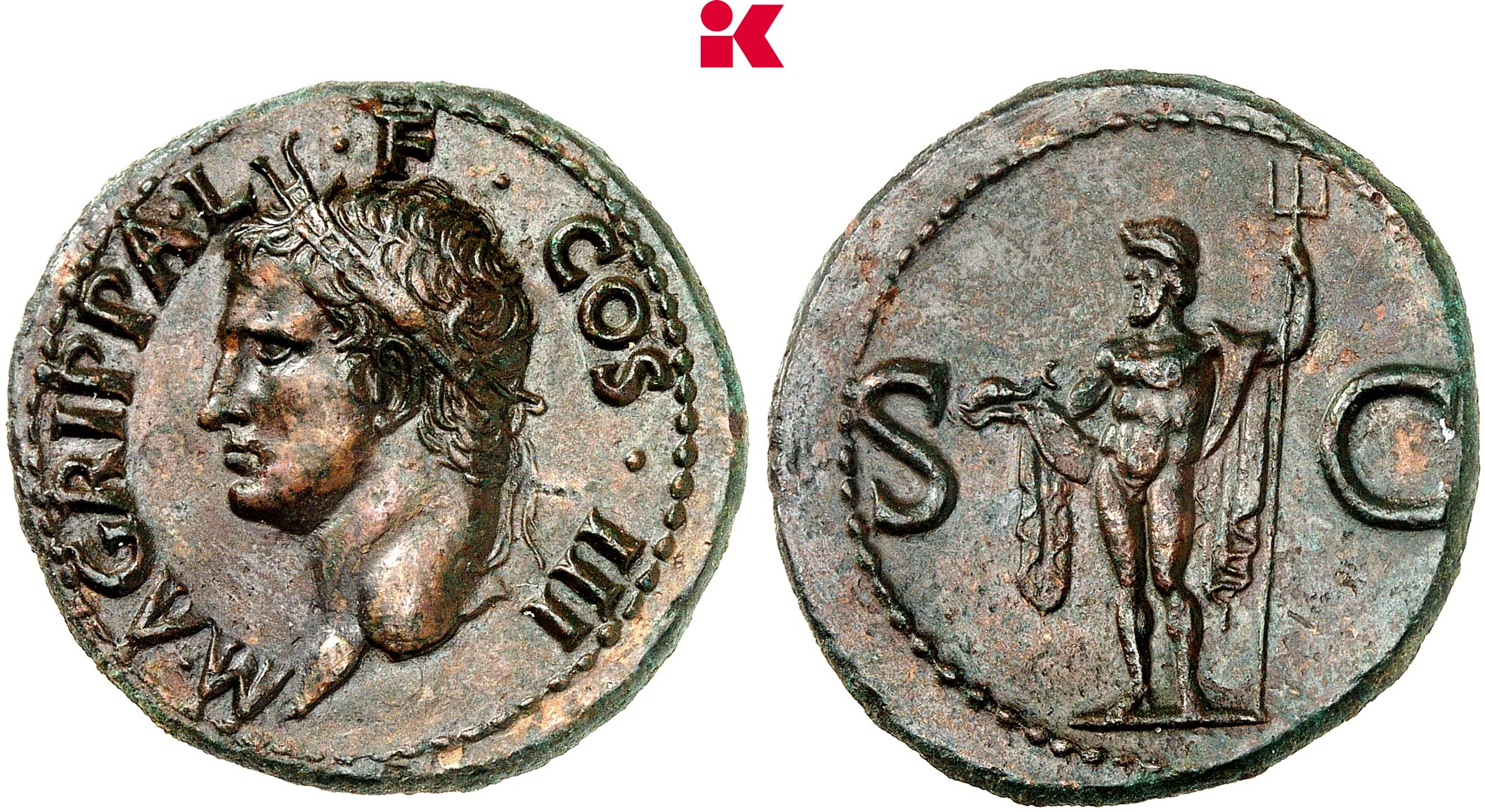
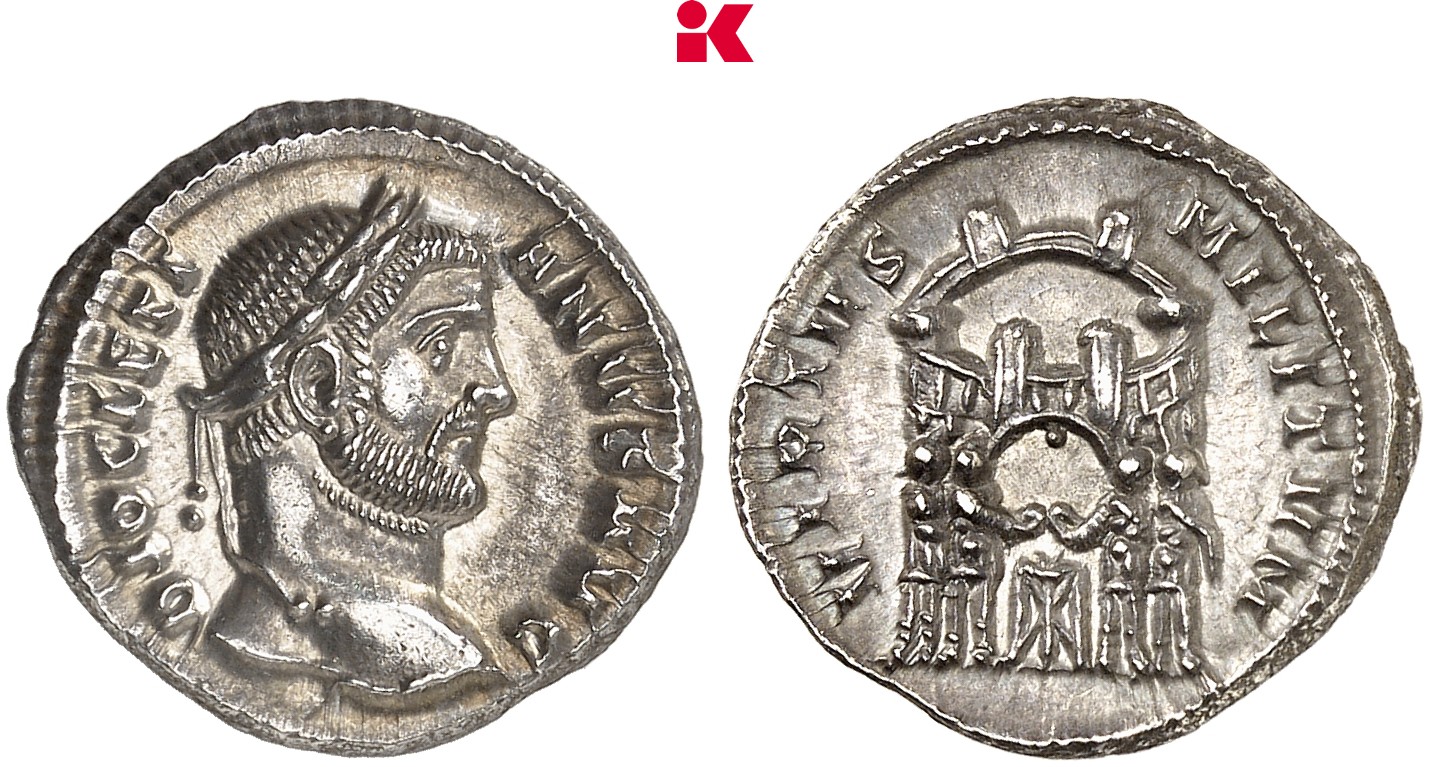
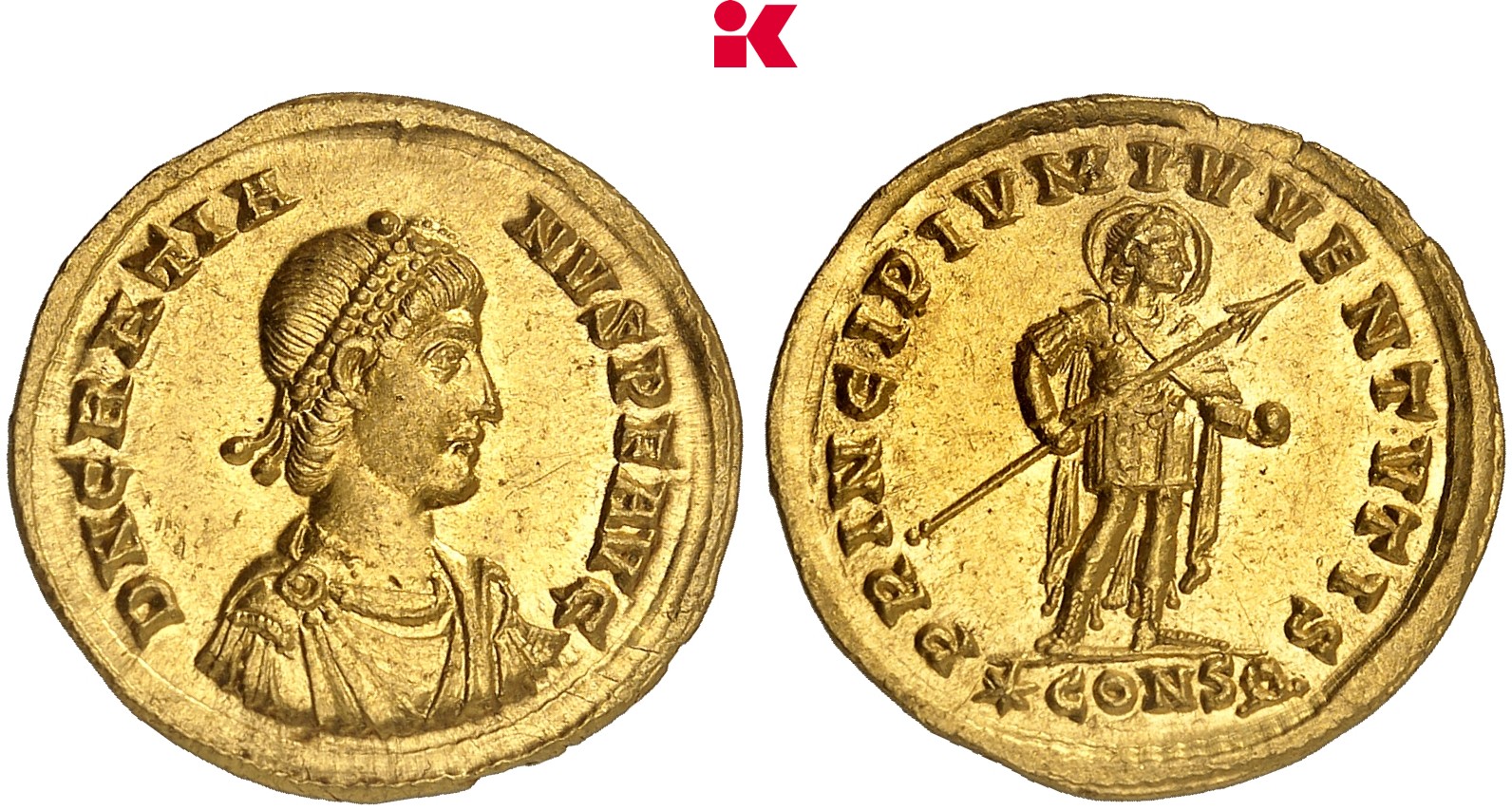
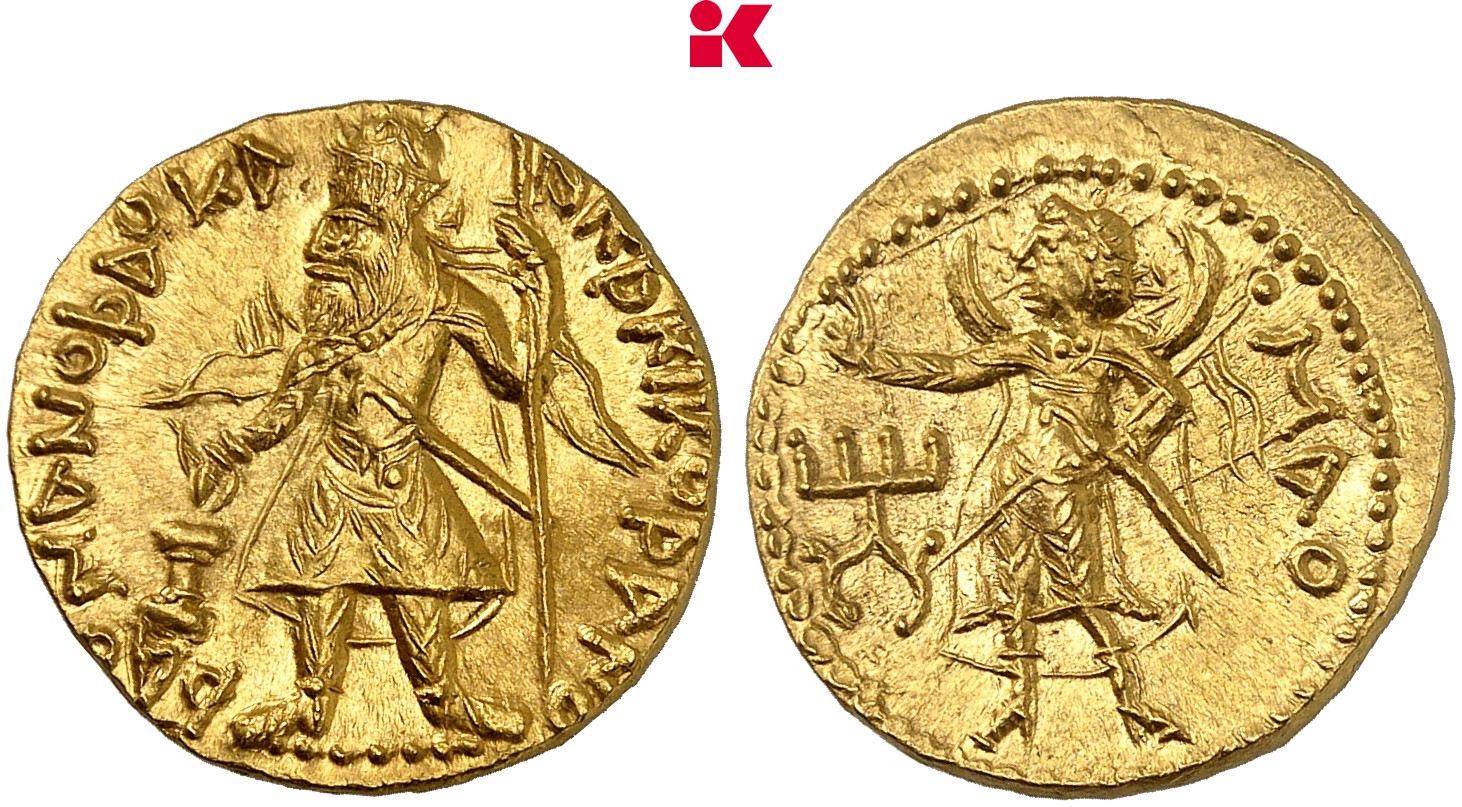
Los 508 Los 547 Los 574 Los 595
Erika und Jürgen Schmidt
The coin collection’s guiding theme is ‘A journey through the world of numismatics.’
However, this sentence requires further explanation, as it is very important to me to describe our goals and considerations
precisely.
The term ‘world of numismatics’ needs to be narrowed down, as I will be focusing on antiquity, Rome and Byzantium, the
Middle Ages, the Holy Roman Empire of the German Nation, the thaler and ducat coinages, as well as the German Empire,
the Weimar Republic and modern times, particularly Germany after 1945. I will disregard the coinage of Asia, China, South
America, the USA and other parts of the world.
Perhaps another very interesting point: After selling our collection of Roman and Byzantine coins in 2001, we are now
concentrating on this present collection, which we started at the turn of the year 2004 to 2005. It should be noted that,
compared to 2001, the prices of coins in excellent condition have risen enormously; with interest rates on savings deposits
tending towards zero today, shifting one’s investments to tangible assets is a good alternative. The changeover from the
German deutschmark to the euro is probably also a reason. It is certainly worth considering whether the concept of a broad
collection area – from the beginning of coin minting to the present day – makes sense. In addition to this, I select the coins
that I particularly like or those whose historical background is of particular interest to me. So there is no longer necessarily
any pressure to complete any particular collection area.
Has this approach proven successful? In practice, there are difficulties whose complexity I had not even begun to consider.
The main problem is the use of our financial resources, which are only available to us to a limited extent. This challenge is
not so easy to meet. Which coins should I bid on when auction houses offer the entire range of coins in excellent condition?
Setting priorities is difficult! The approach I take today is to give a slight preference to coins from the Holy Roman Empire,
and contrary to my initial statement, I would indeed like to complete my collection of these coins to some extent. Otherwise,
I identify the coins in the dealers’ auction catalogues that I immediately find particularly beautiful and attractive. So there
is no systematic approach, but rather my sense of beauty is the deciding factor when making a purchase.
I then reach an agreement with my dealer on the price at which we want to enter the bidding war at the auctions. Based on
my many years of experience, I can only recommend this approach. If you bid without help, it is quite possible that in the
euphoria of the moment you will pay too much for a particular piece you have been wanting for a long time. The dealer only
bids within the agreed budget.”
Erika and Jürgen Schmidt were happy to seek advice, notably from numismatists Victor England of Lancaster
(Pennsylvania), Paul Hill (London), Rüdiger Kaiser (Frankfurt am Main) and Klaus Netzer (Göttingen). The Schmidt
couple also regularly sought advice from Künker and the author of this foreword, and were valued regular guests at our
auctions in Osnabrück until 2023. Jürgen Schmidt lost his battle with a long-term illness on 1 February 2024, and Erika
Schmidt followed her husband on 20 January 2025. We thank their family for making the collection available to new
enthusiasts through a Künker auction, in accordance with the wishes of the two collectors. All objects in the Schmidt
collection are marked as such.