

A piece of minted history
What do Prussian gold medals have to do with Japan’s modernization? More than one might initially suspect.
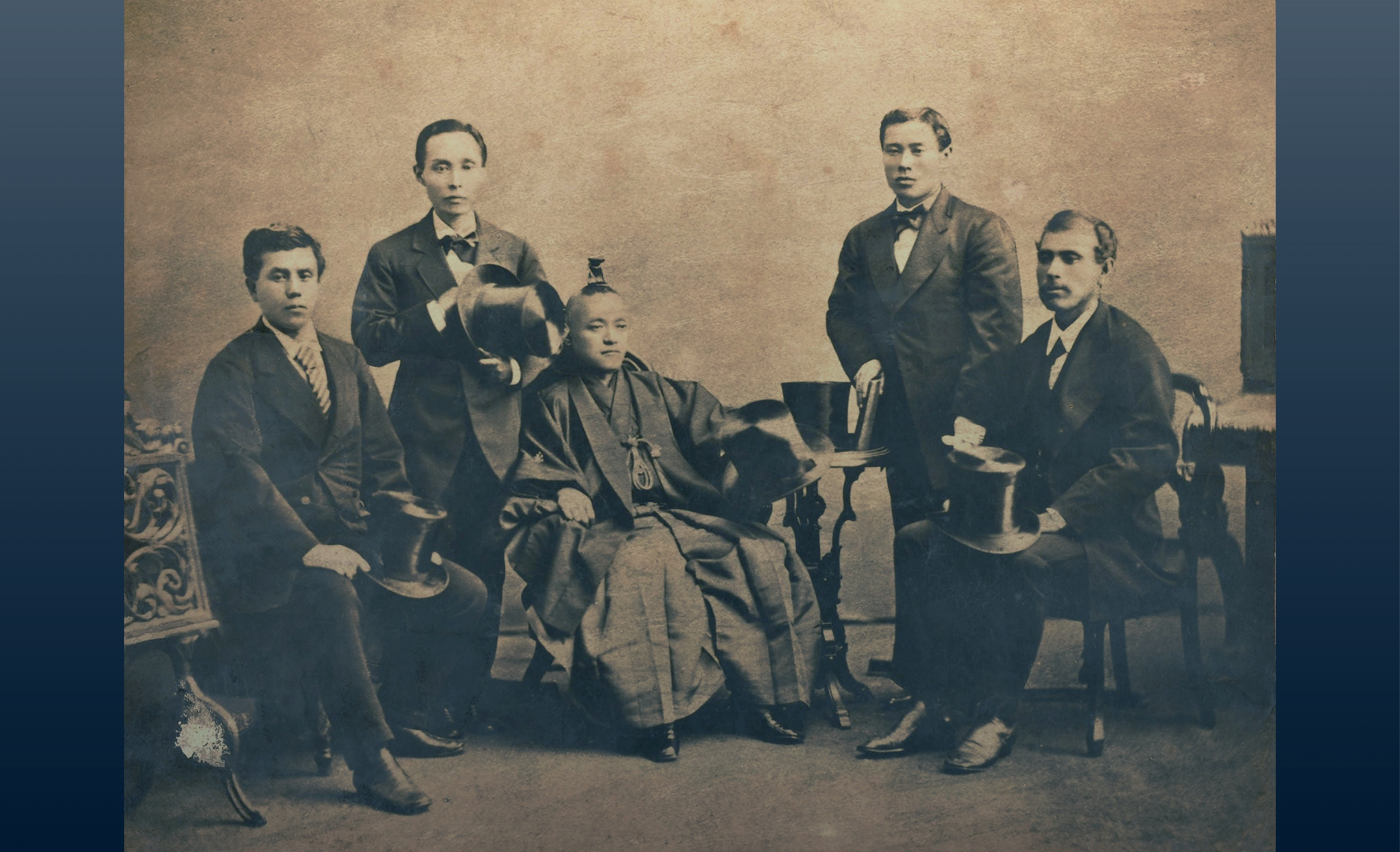
In the 1860s and 1870s, two Japanese diplomatic missions traveled to Europe to study the great powers of the West. During the first visit in 1862, Prussia made hardly any impression—so much so that the author Fukuzawa Yukichi simply omitted the chapter on Prussia from his later travelogue, citing a lack of time, as he wrote.
Just ten years later, everything had changed. When the Iwakura Mission
arrived in Berlin in 1872, it found a completely transformed nation: a
unified German Empire that had defeated the European great power France
and, within a decade, had risen to become the continent’s leading force.
This time, the chronicler Kume Kunitake devoted ten detailed chapters
to the country—more than to France, which the mission had spent twice as
long visiting.
What the Japanese diplomats saw had a lasting impact on their country: the German constitution influenced the Japanese constitutional debate, the universities were regarded as exemplary, and from then on, the Japanese military modeled itself on the German army rather than the French one. At a banquet, Bismarck personally told the delegation that only strength could ensure a country’s voice in world politics.
The Imperial Collection
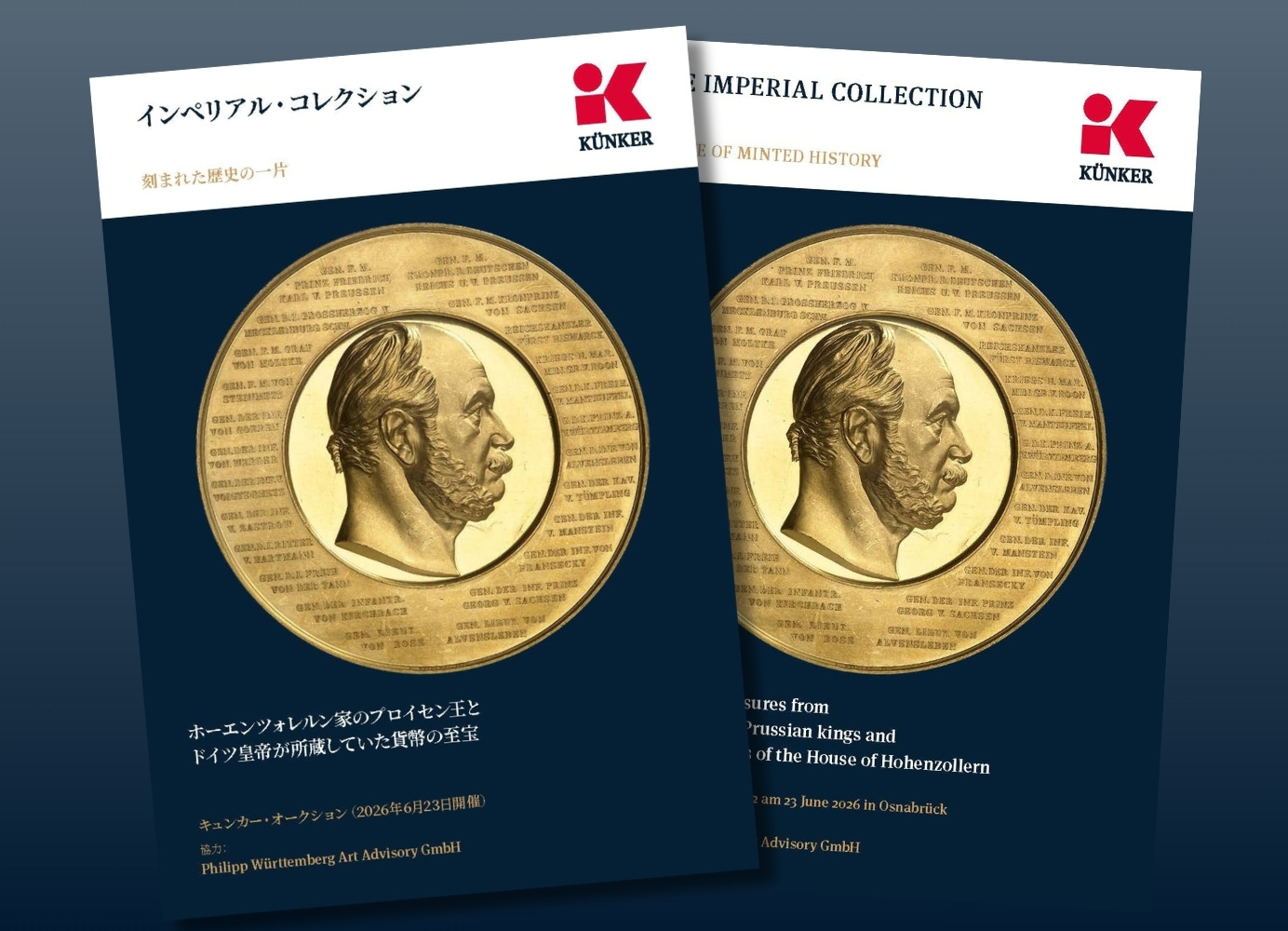
On June 23, 2026, Künker will auction one of the most significant numismatic collections in recent history in Osnabrück: medals and coins from the personal collections of the Prussian kings and German emperors of the House of Hohenzollern—including pieces that once belonged to Frederick William IV and Emperor Wilhelm I themselves.