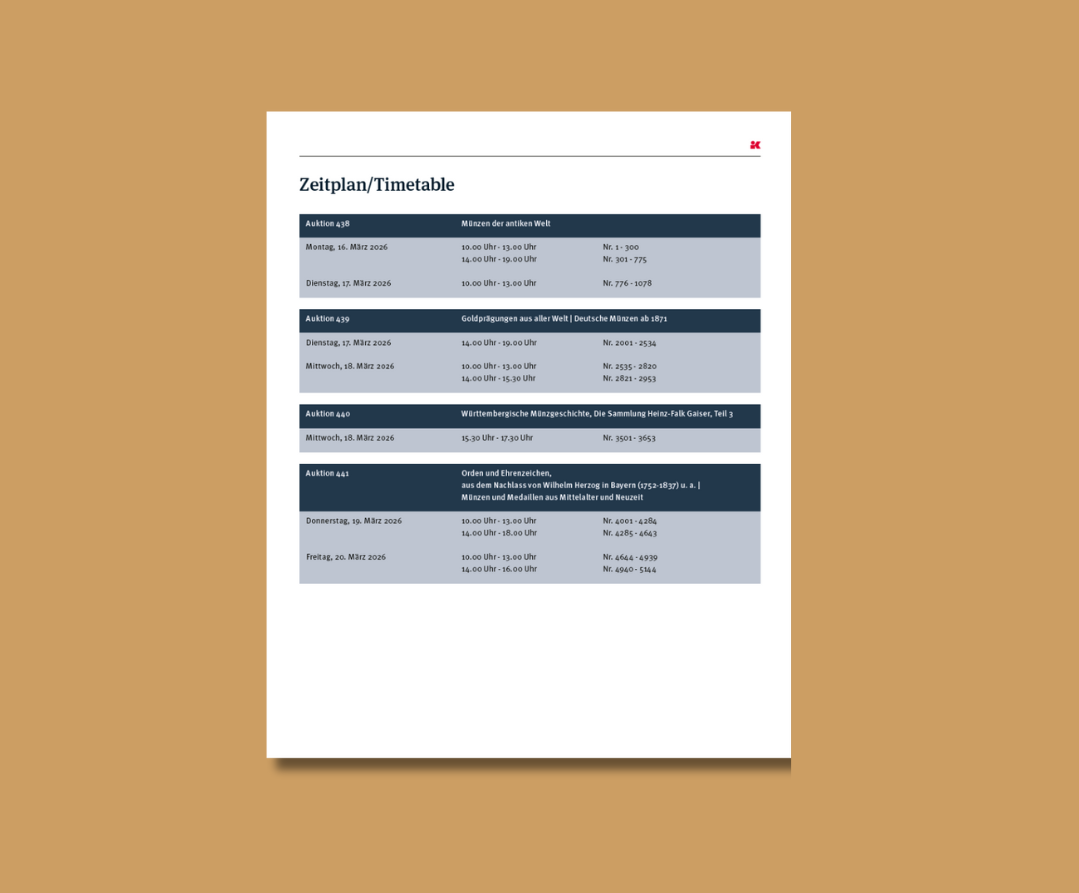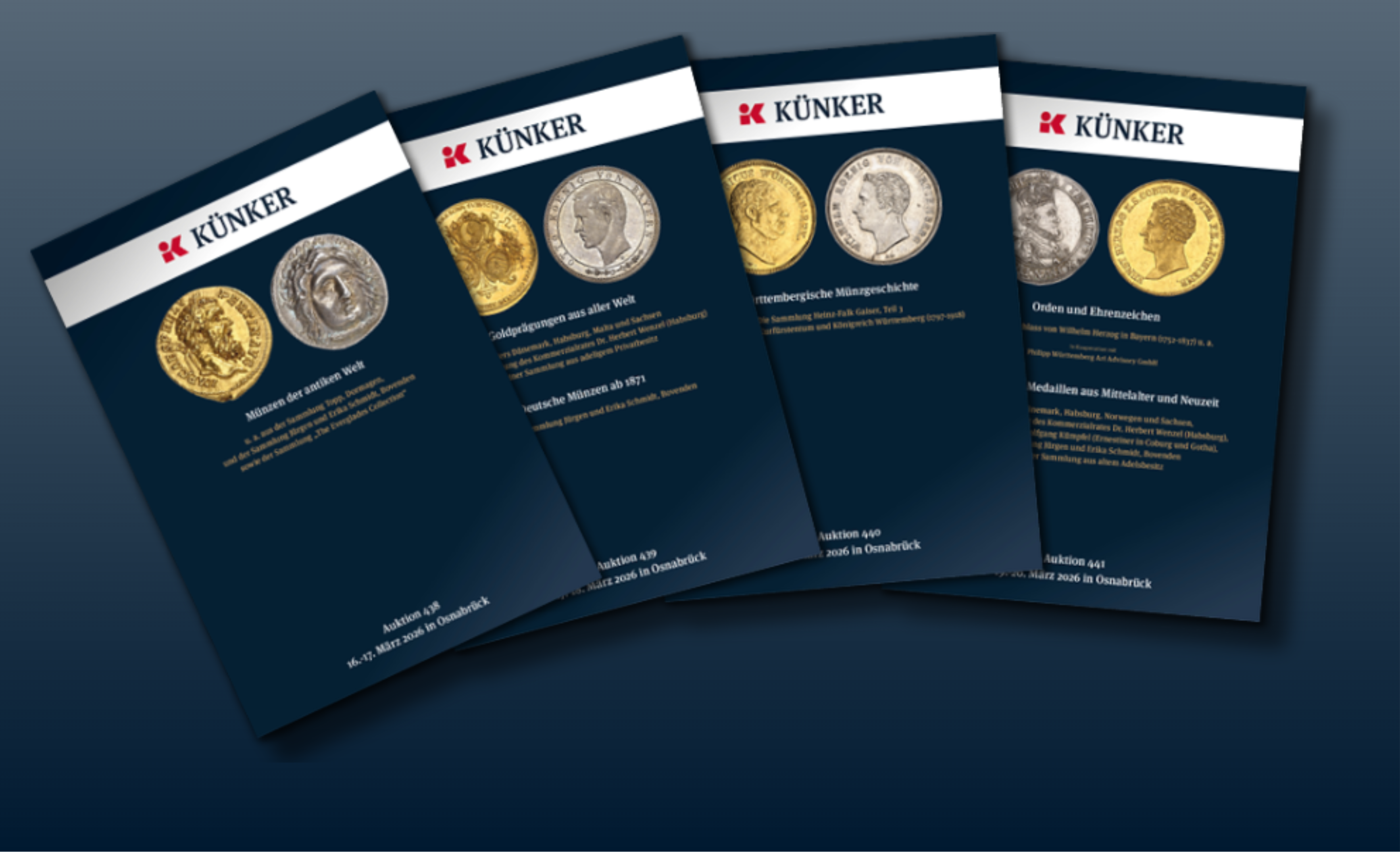


When it comes to dissolving large and important collections, our Auction Sales are the best solution. This is how many collectors see it today, as proven by the Spring Auction Sales. They will take place in Osnabrück from March 16 to 20, 2026, and will feature a number of important and extensive collections.
Three large collections dominate our Auction Sale 438 featuring coins from the Ancient World. On offer are the Topp / Dormagen Collection, the Jürgen and Erika Schmidt / Bovenden Collection, and the Everglades Collection. For anyone who loves ancient coins, this means that they will find carefully selected coins from all areas that will make a collector's heart beat faster.
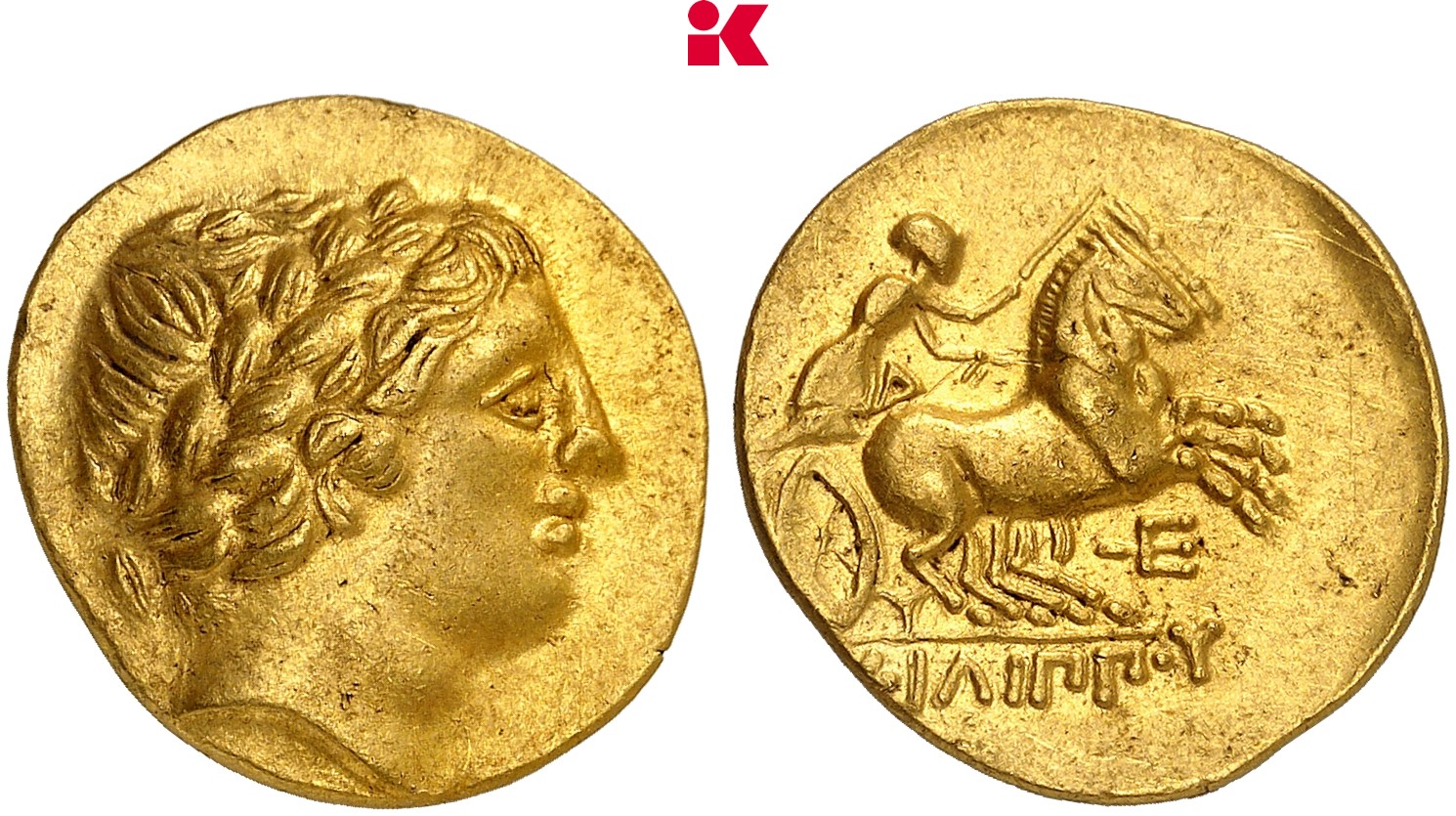
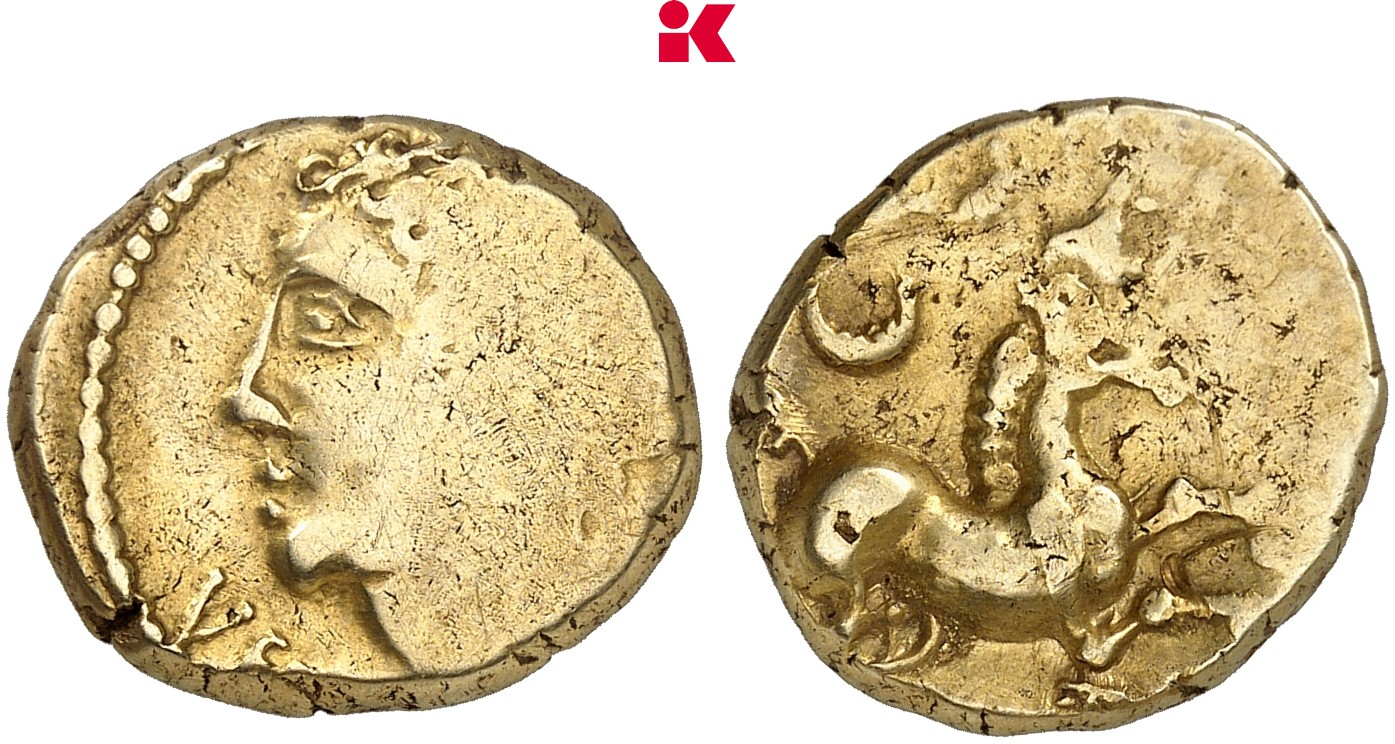
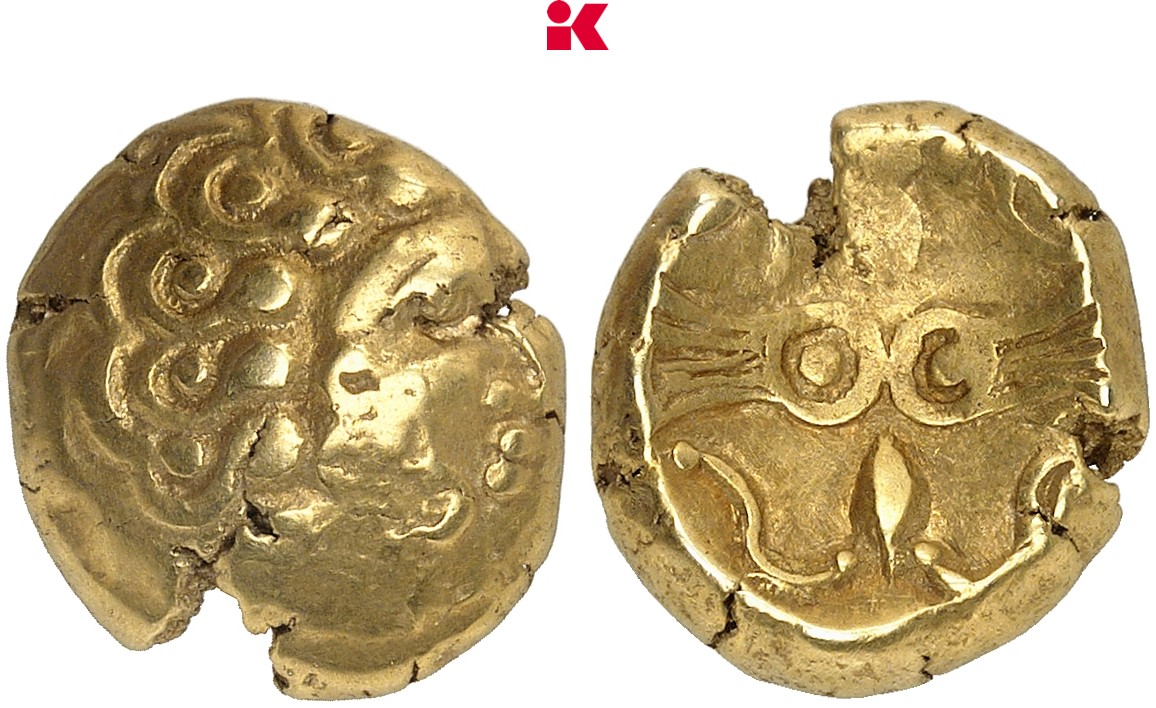
This is especially true for the Celtic Coins, most of which come from the Topp Collection. With more than 100 lots, some of which are of high quality, the full spectrum from England to the Balkans is covered. Gaul in particular is excellently represented by several early imitations of Philip II's gold coins, inspired by the coins earned by Celtic mercenaries during the Macedonian campaigns.
The highlight is an extremely rare gold stater of Vercingetorix, who has made it into modern popular culture. The prince of the Averni once succeeded in uniting the Celtic tribes against the Romans, thus almost preventing Caesar's conquest of Gaul. In the 19th century, Vercingetorix became a symbol of French identity and, as such, he can still be seen today in Asterix comics and films, throwing his weapons not at Caesar but at his feet when he surrenders. Coins bearing his name are among the great and sought-after rarities of Celtic numismatics.
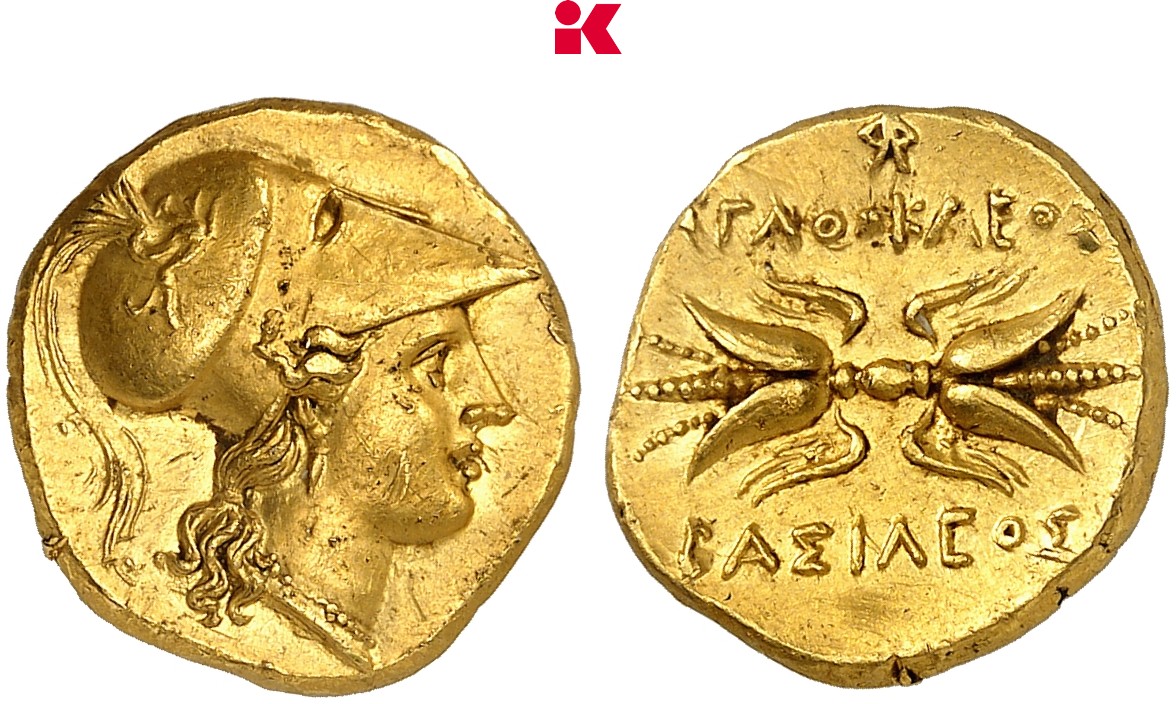
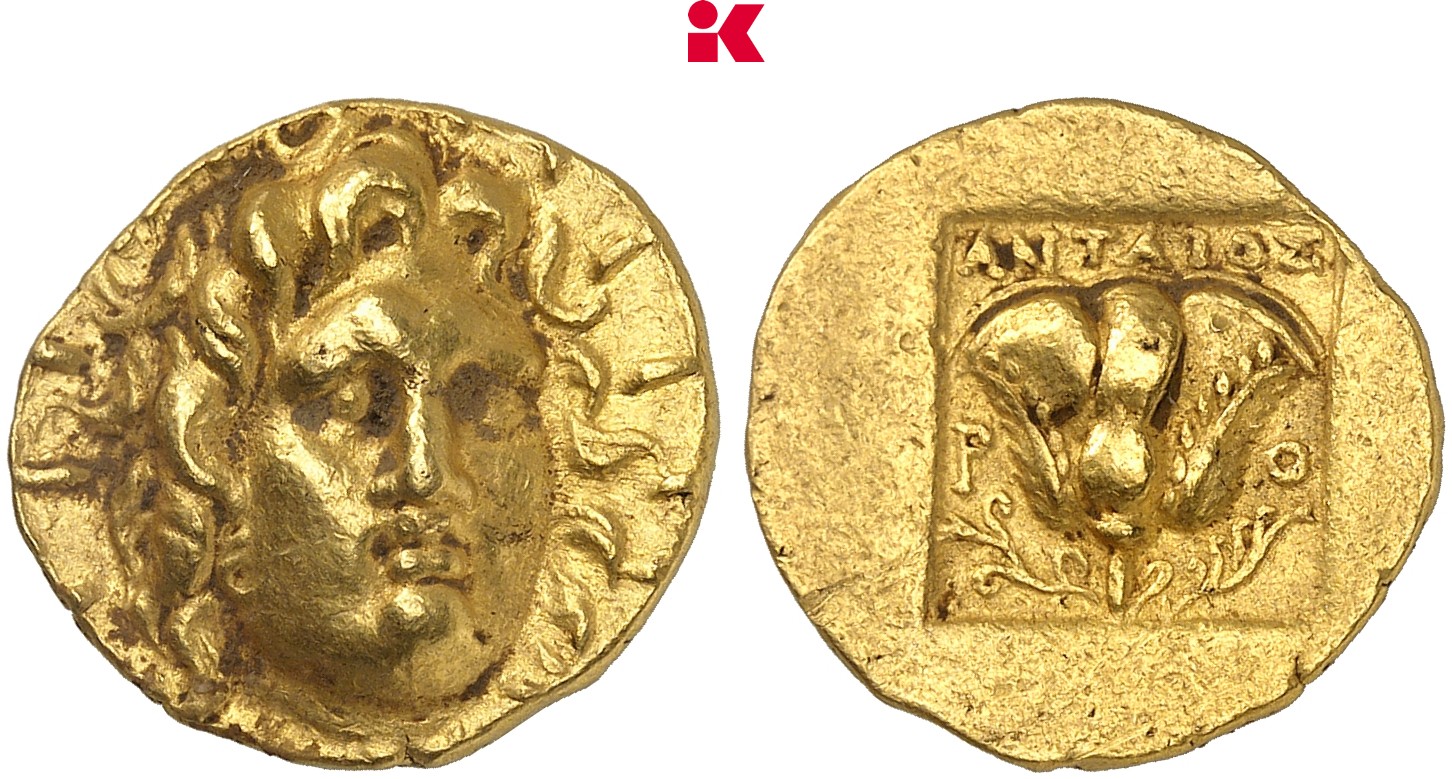
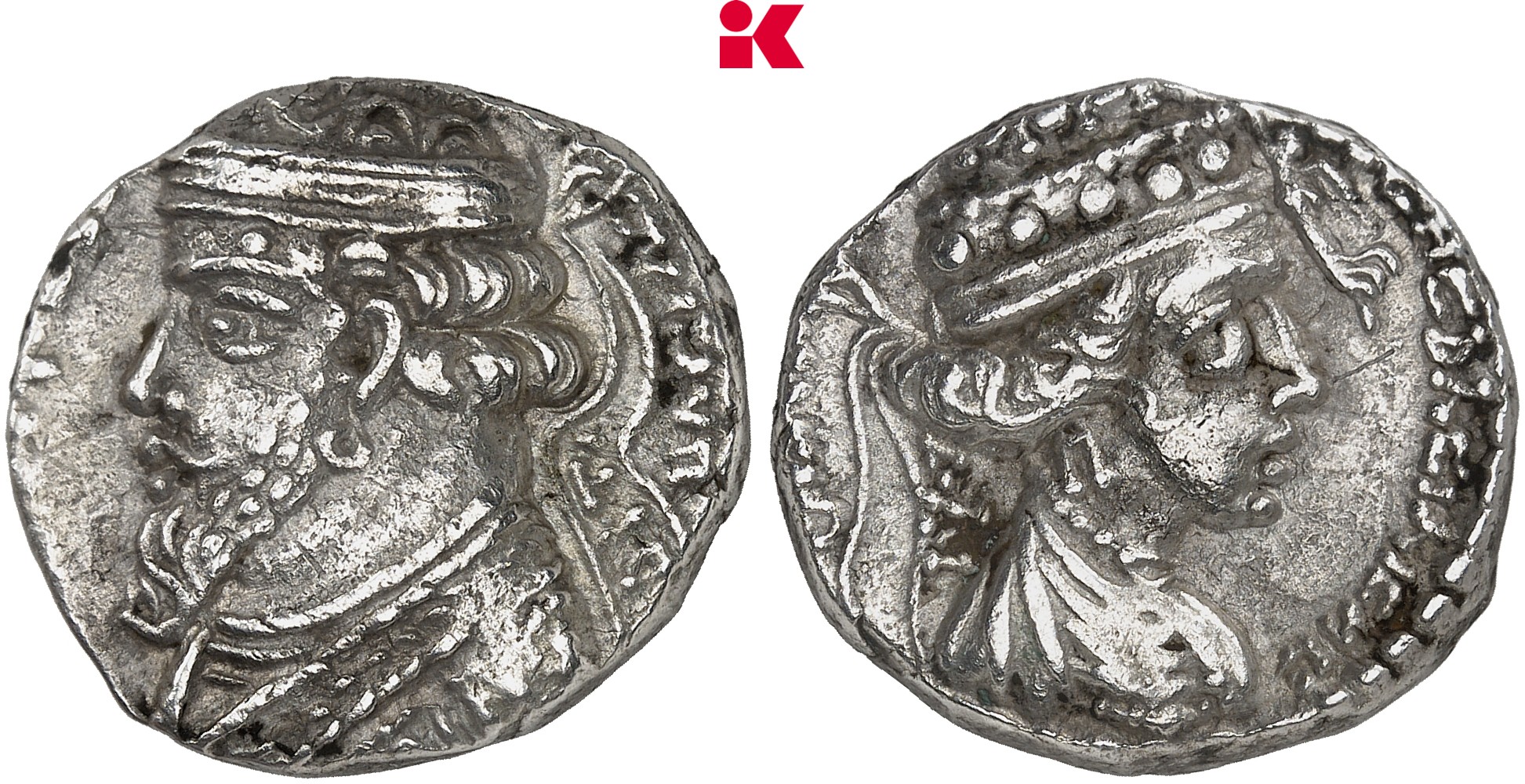
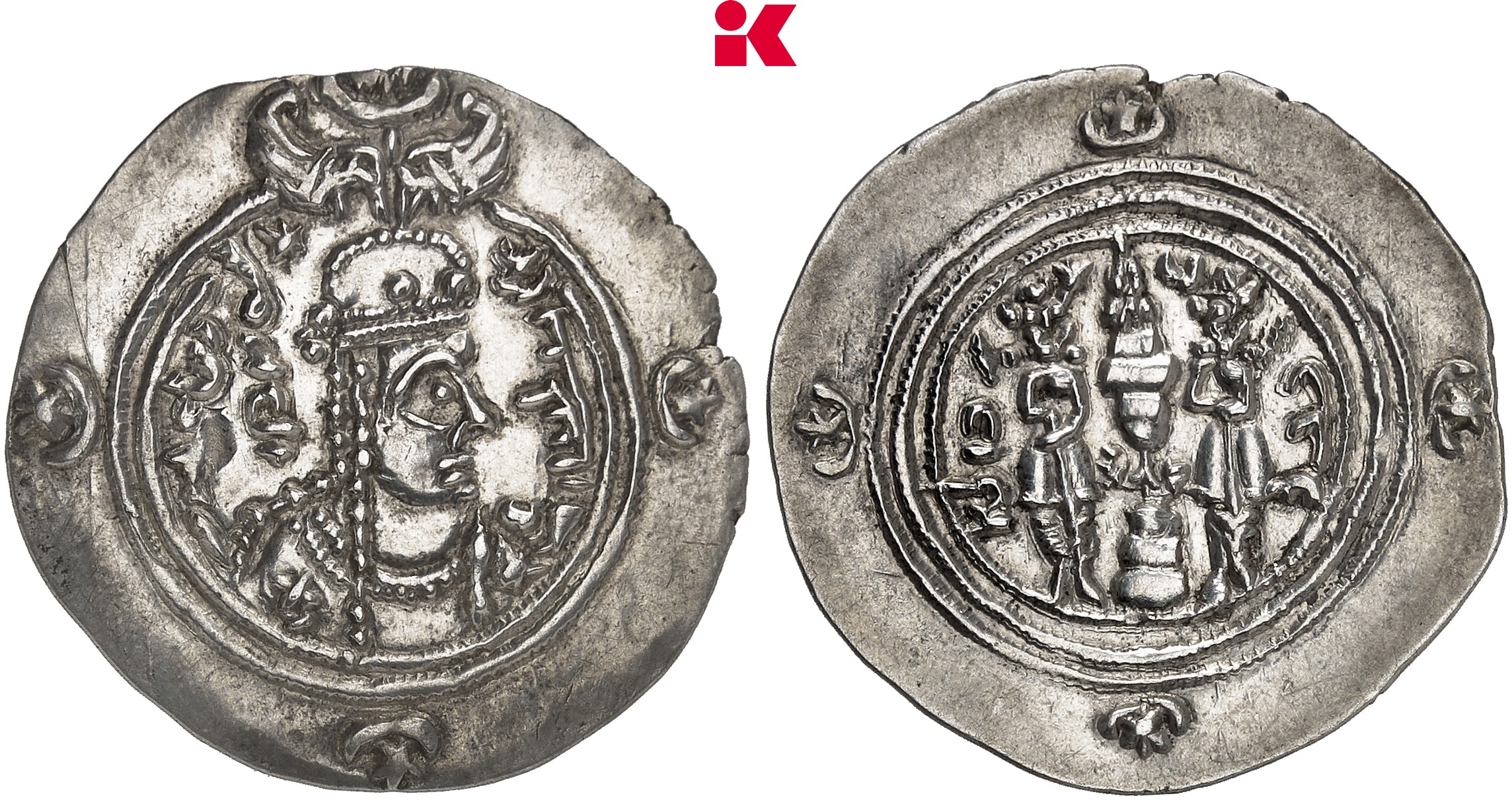
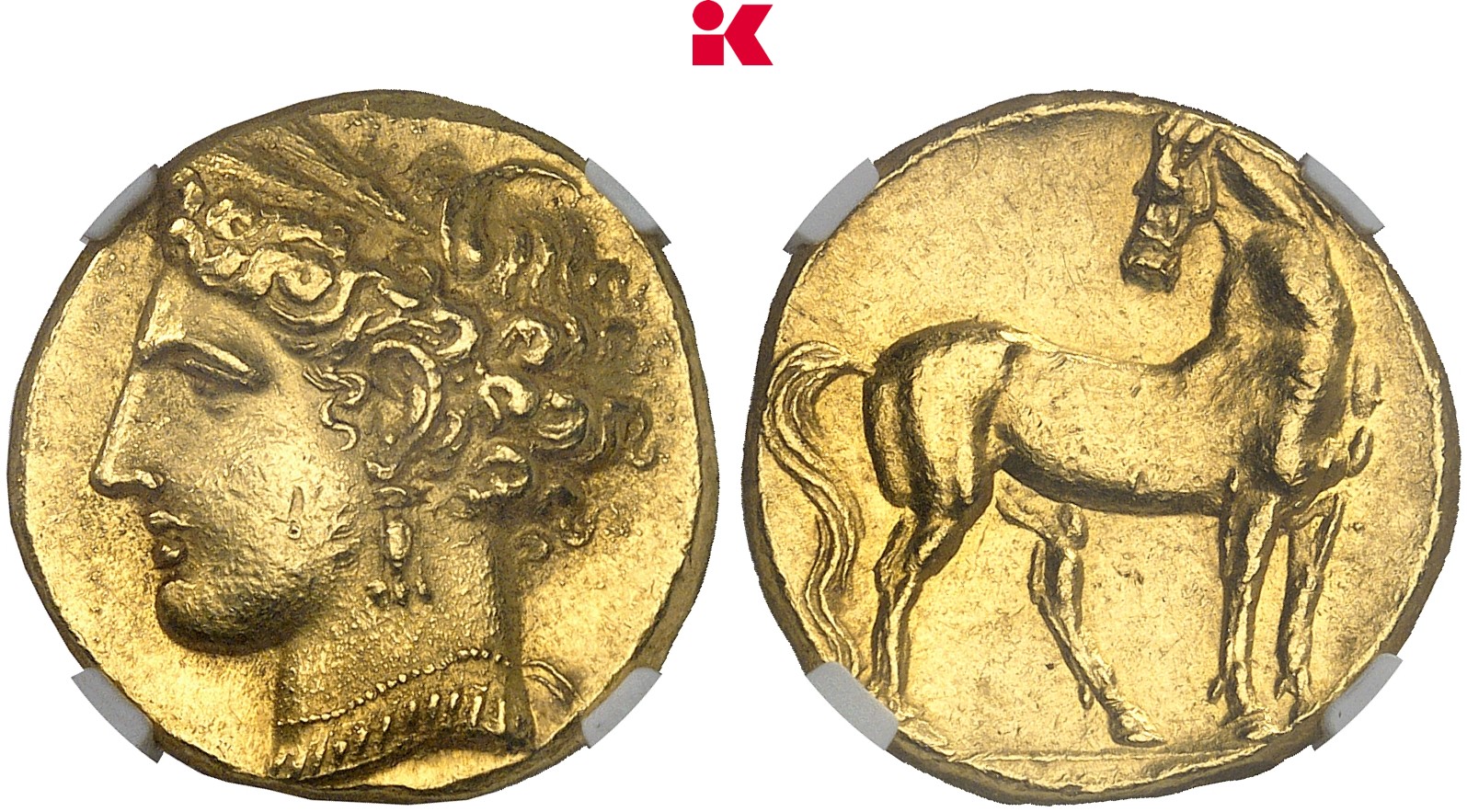
Of course, there are also plenty of exciting pieces to discover in the field of Roman Coins. Whether you collect coins from the Republic, the Civil War period, the Imperial period, or Late Rome, and regardless of your budget, you will find the piece of your dreams in this Auction Sale.
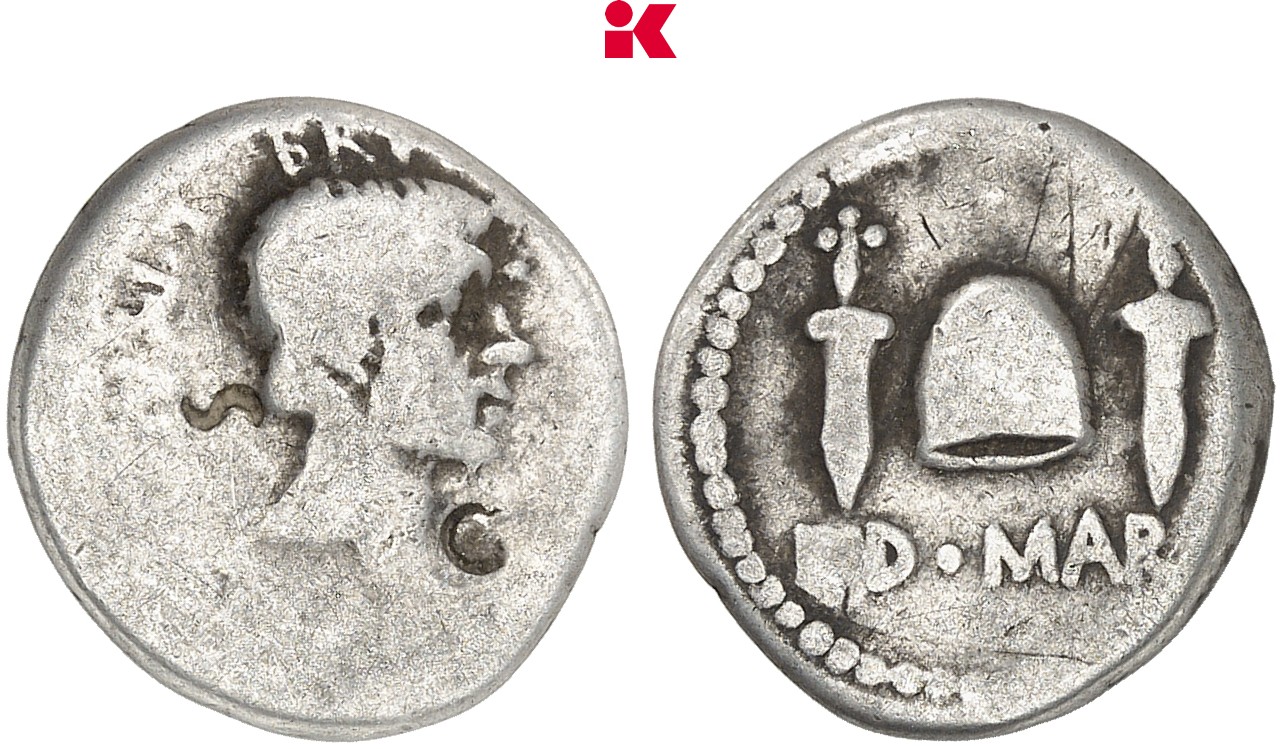
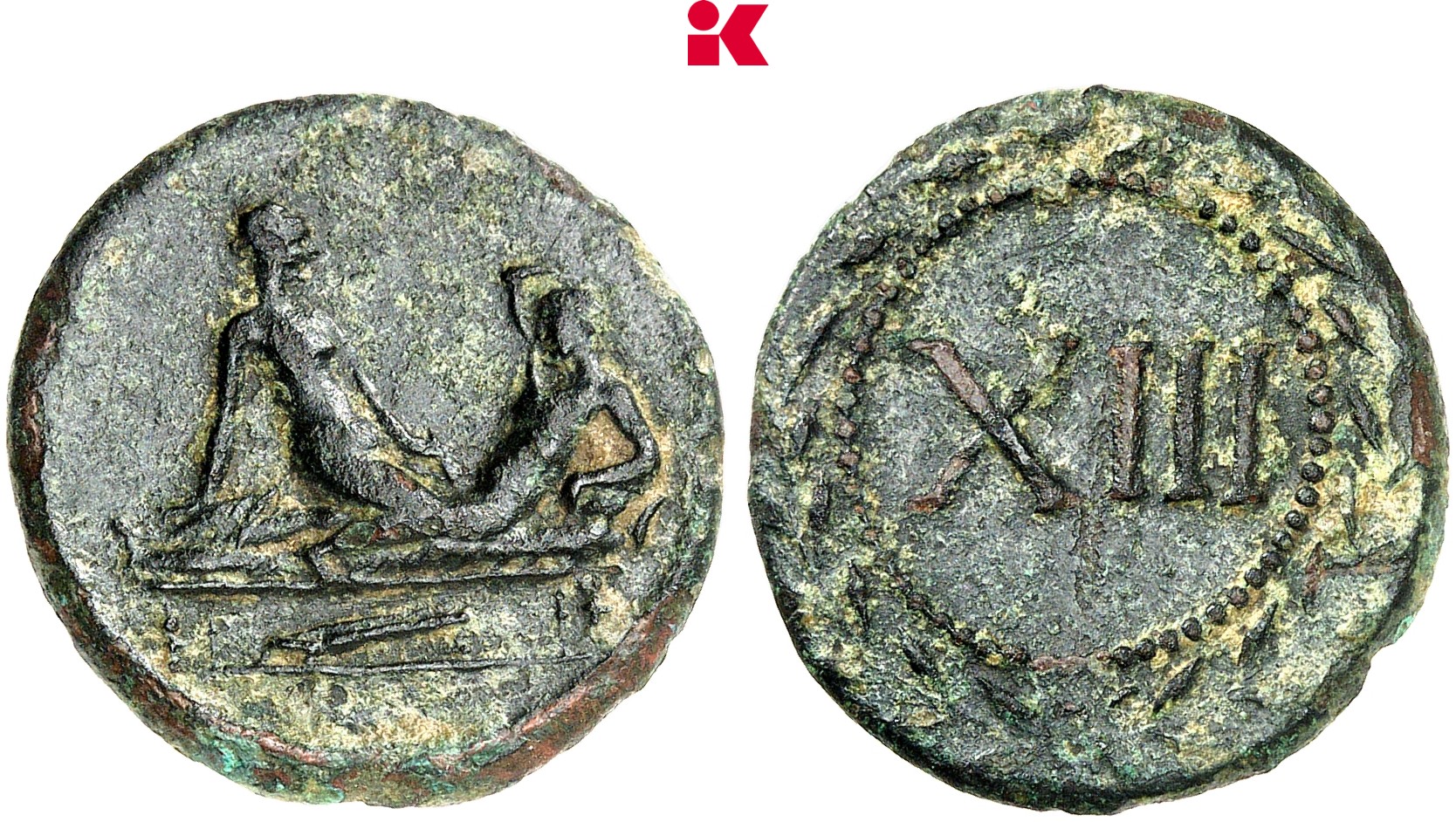
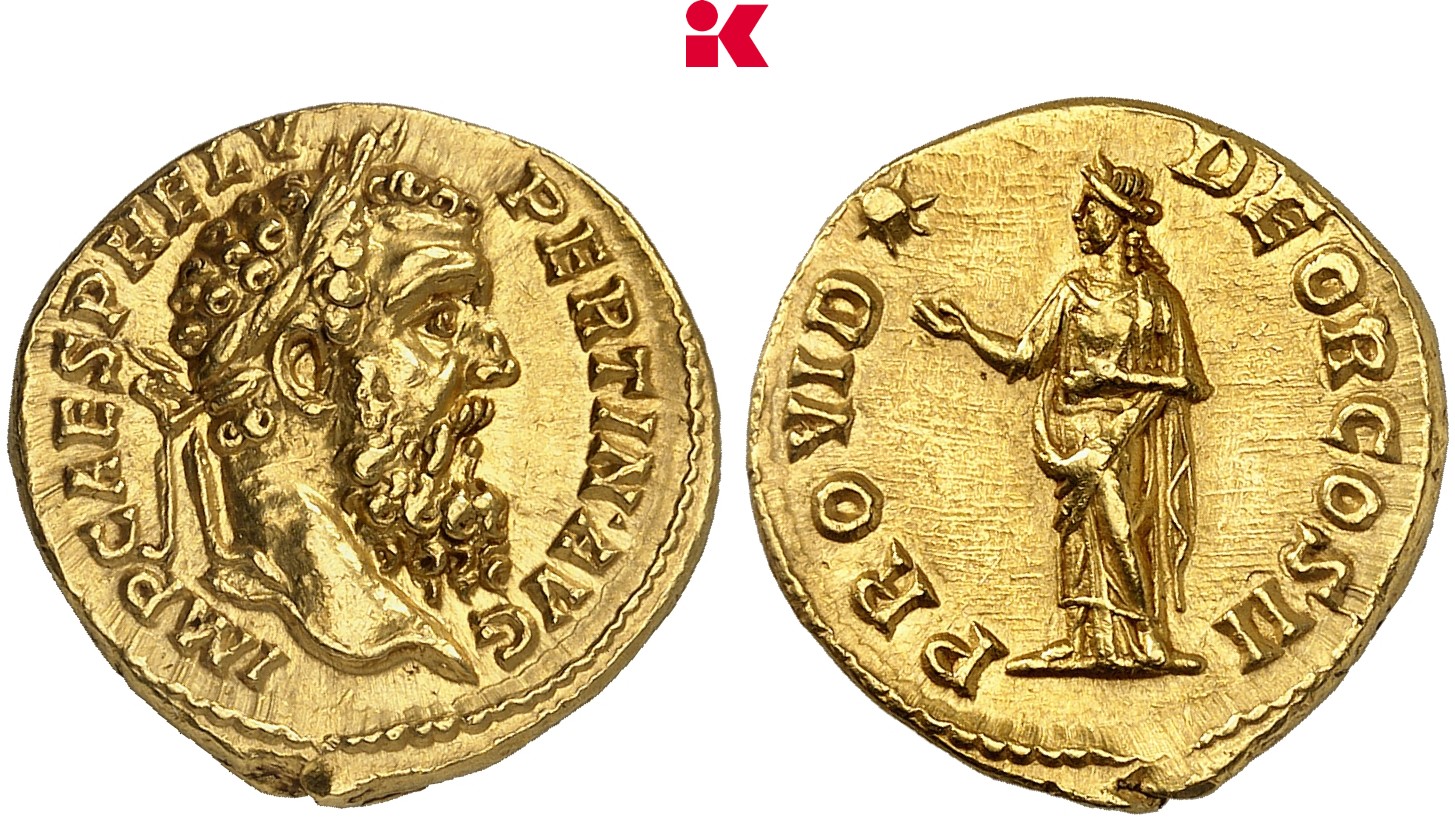
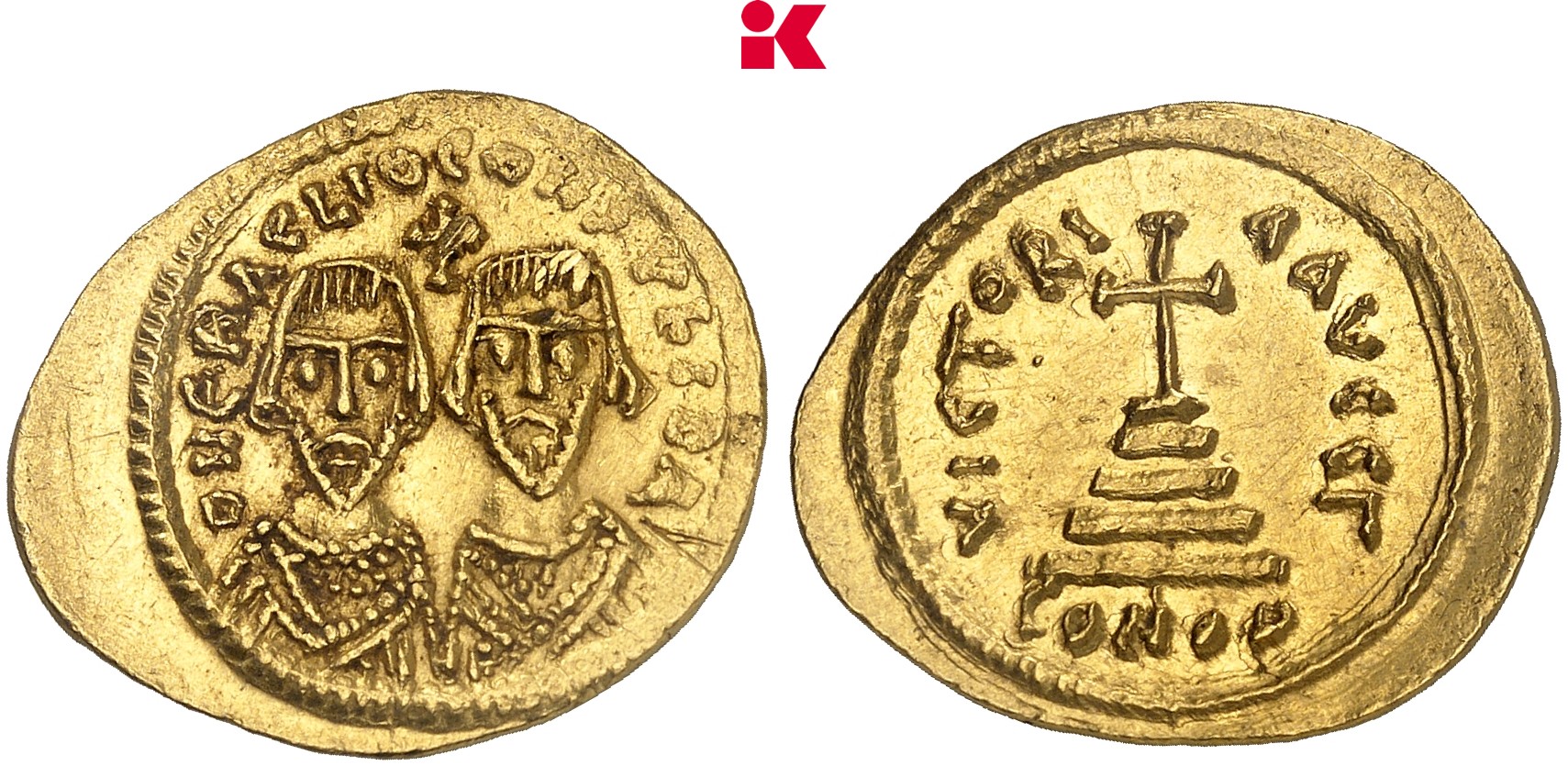
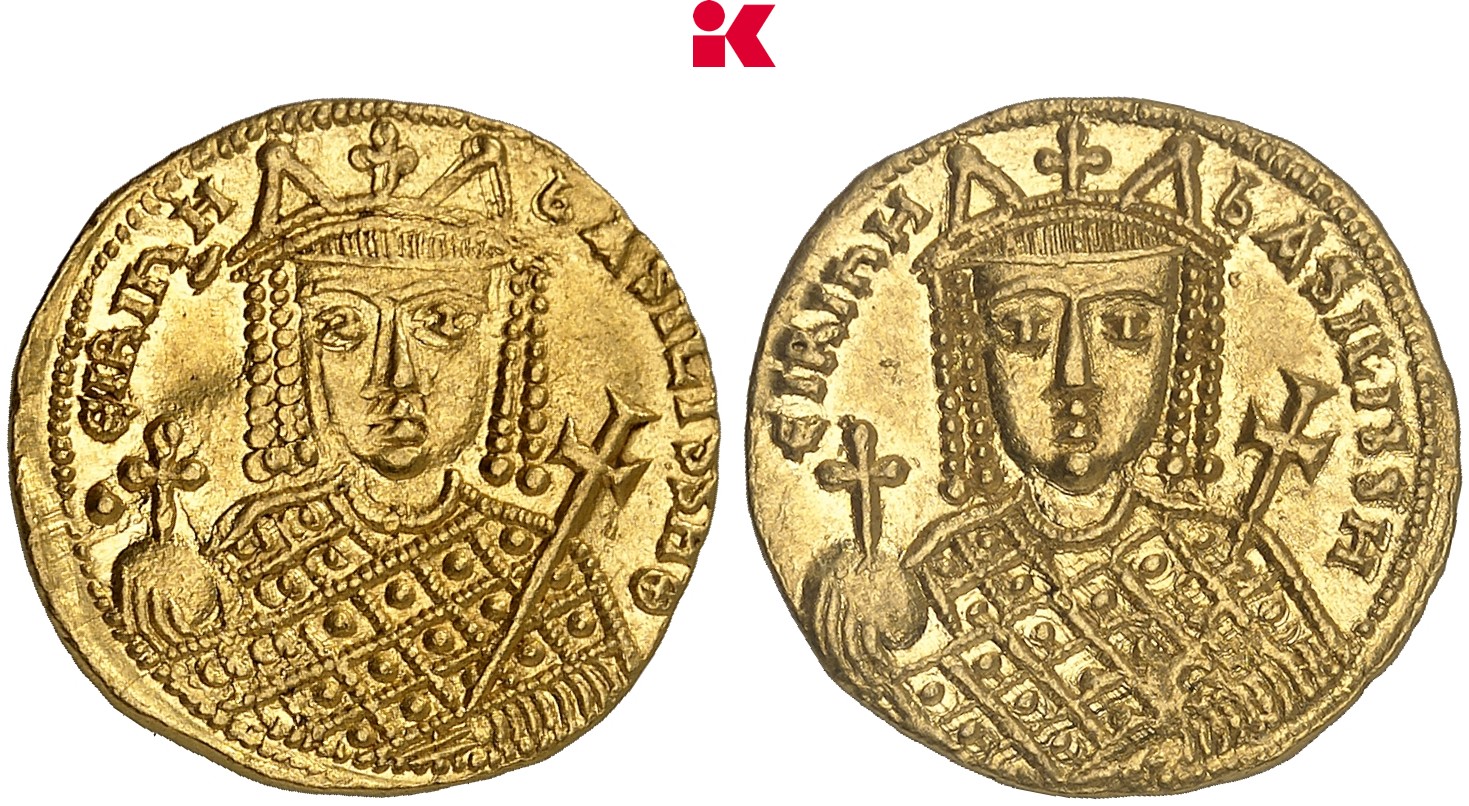
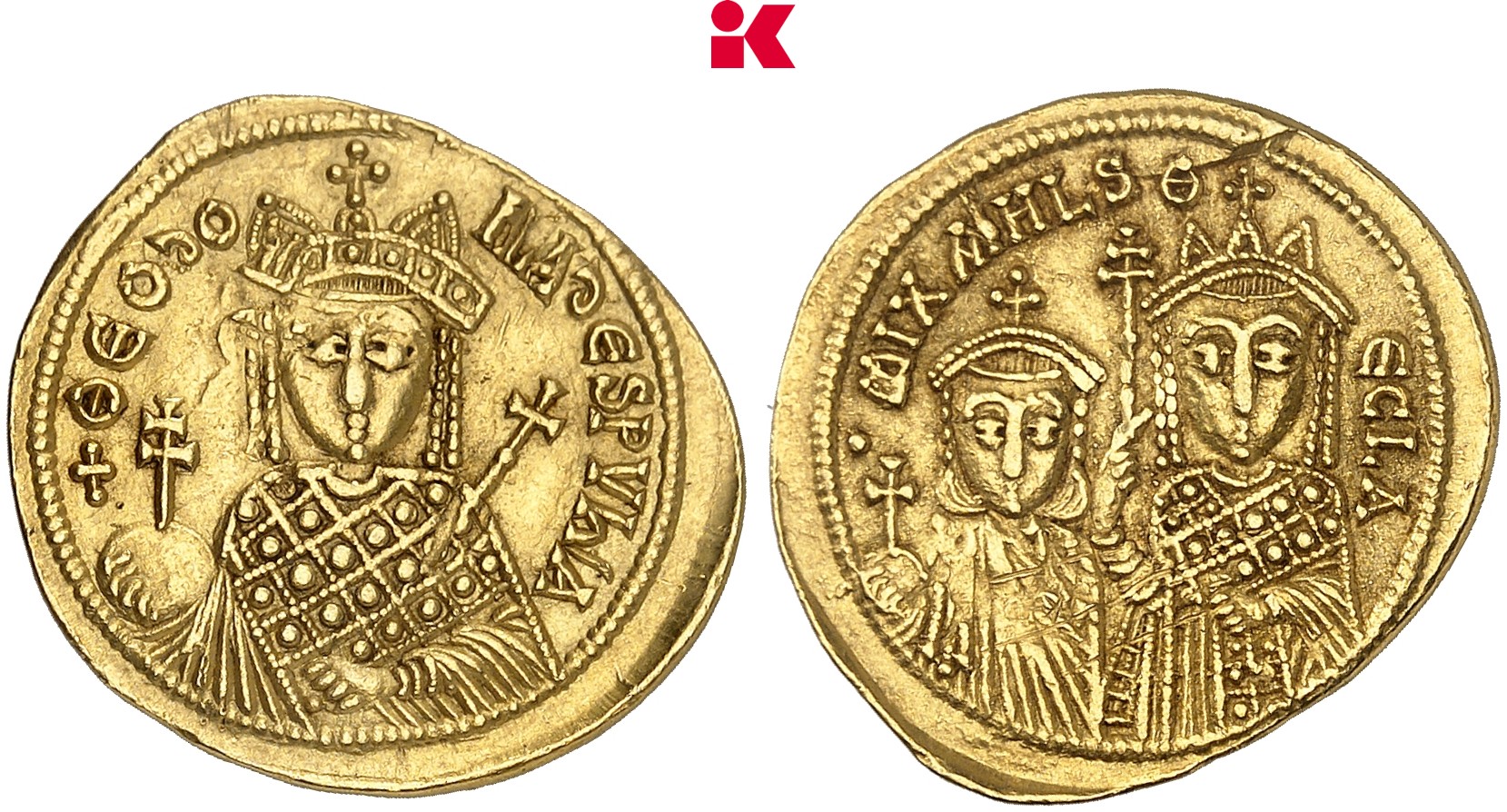
Most of the Byzantine rarities offered in Auction Sale 438 come from the Topp Collection. You can look forward to rare solidi in a state of preservation that is rarely seen. The highlight is a probably unpublished solidus that was minted during the Heraclii revolt. At that time, the exarch of Carthage, Heraclius, and his son of the same name rebelled against the unpopular Phocas. The titles and attire of the two are noteworthy: on this coin, they refer to themselves as consuls, a title bestowed upon them by the Senate of Carthage. This is not the only rarity. The Topp Collection brings together many coins of historically interesting personalities, including a solidus of Empress Irene and one of Michael III with his mother Theodora and his sister Thekla.
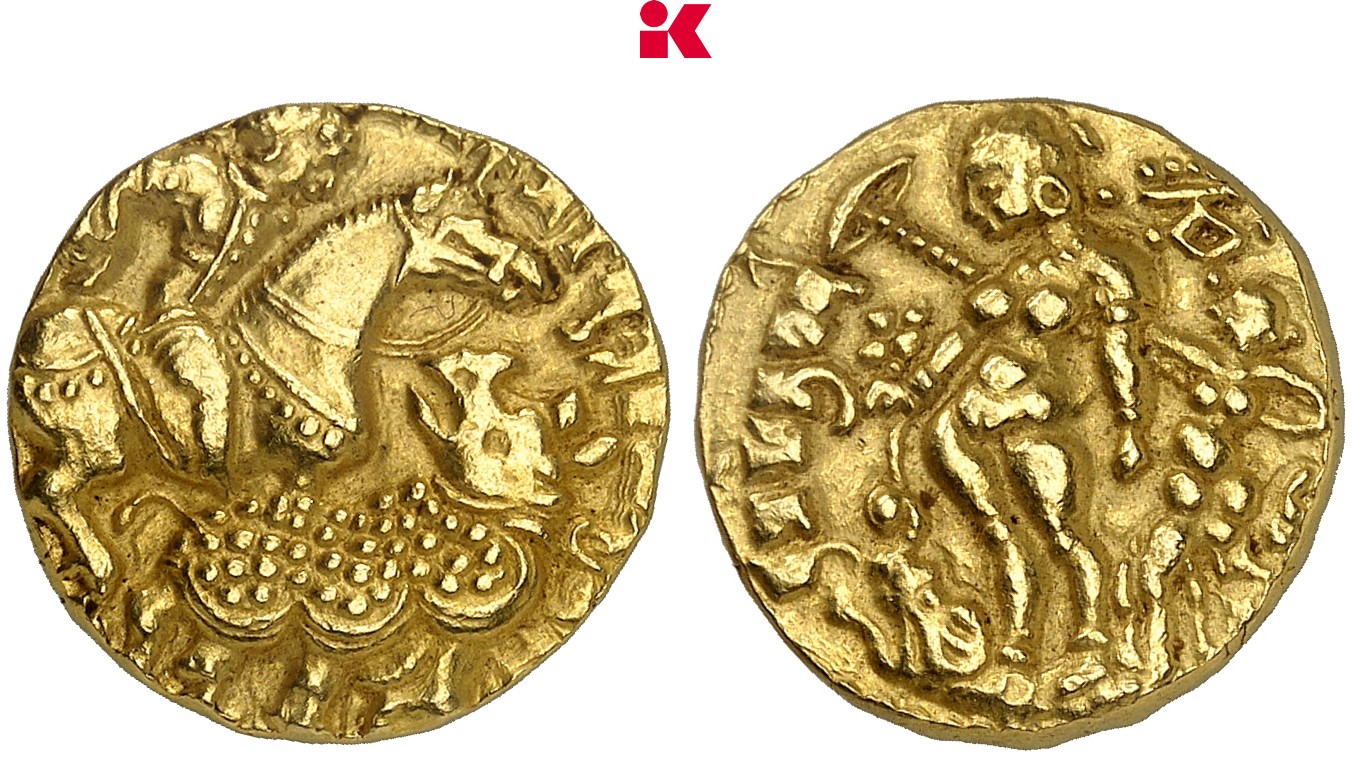
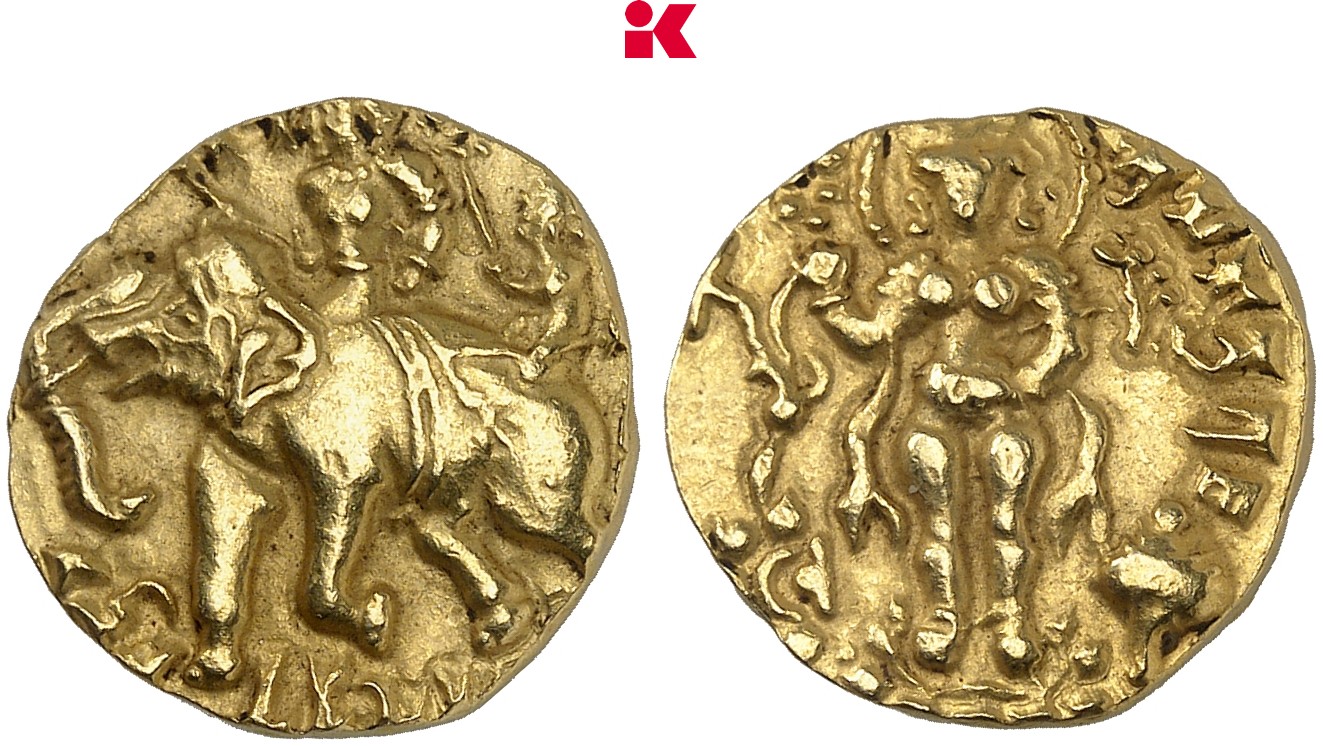
Friends of Indian culture will find two extremely rare Gupta gold coins in this Auction Sale. They were minted by Kumaragupta I between 415 and 455. His reign is now considered the late flowering of the Gupta Empire, during which the economy and arts flourished once again before regional interests weakened the Gupta Empire permanently and initiated its slow decline.
The coins from German States are spread across three catalogs:
• Gold coins and Medals in Auction Sale 439,
• Silver coins and Medals from the Dr. Wolfgang Kümpfel Saxony, Coburg, and Gotha collection in Auction Sale 441,
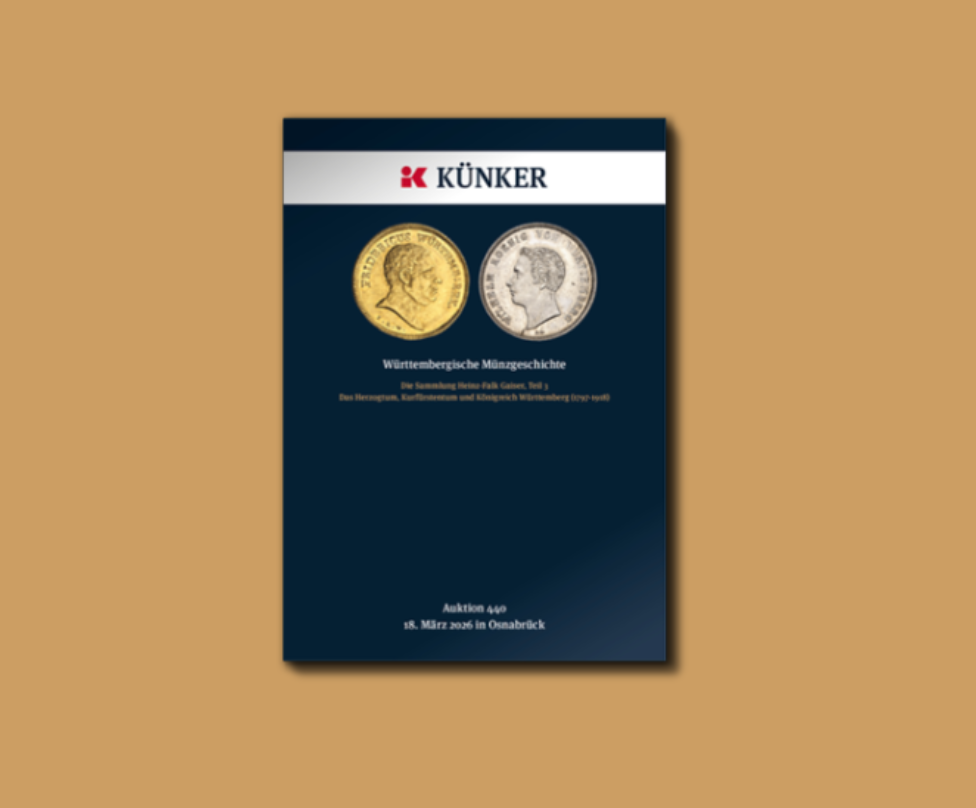
• and Württemberg rarities from the Gaiser collection in auction 440.
And these are just a few highlights.
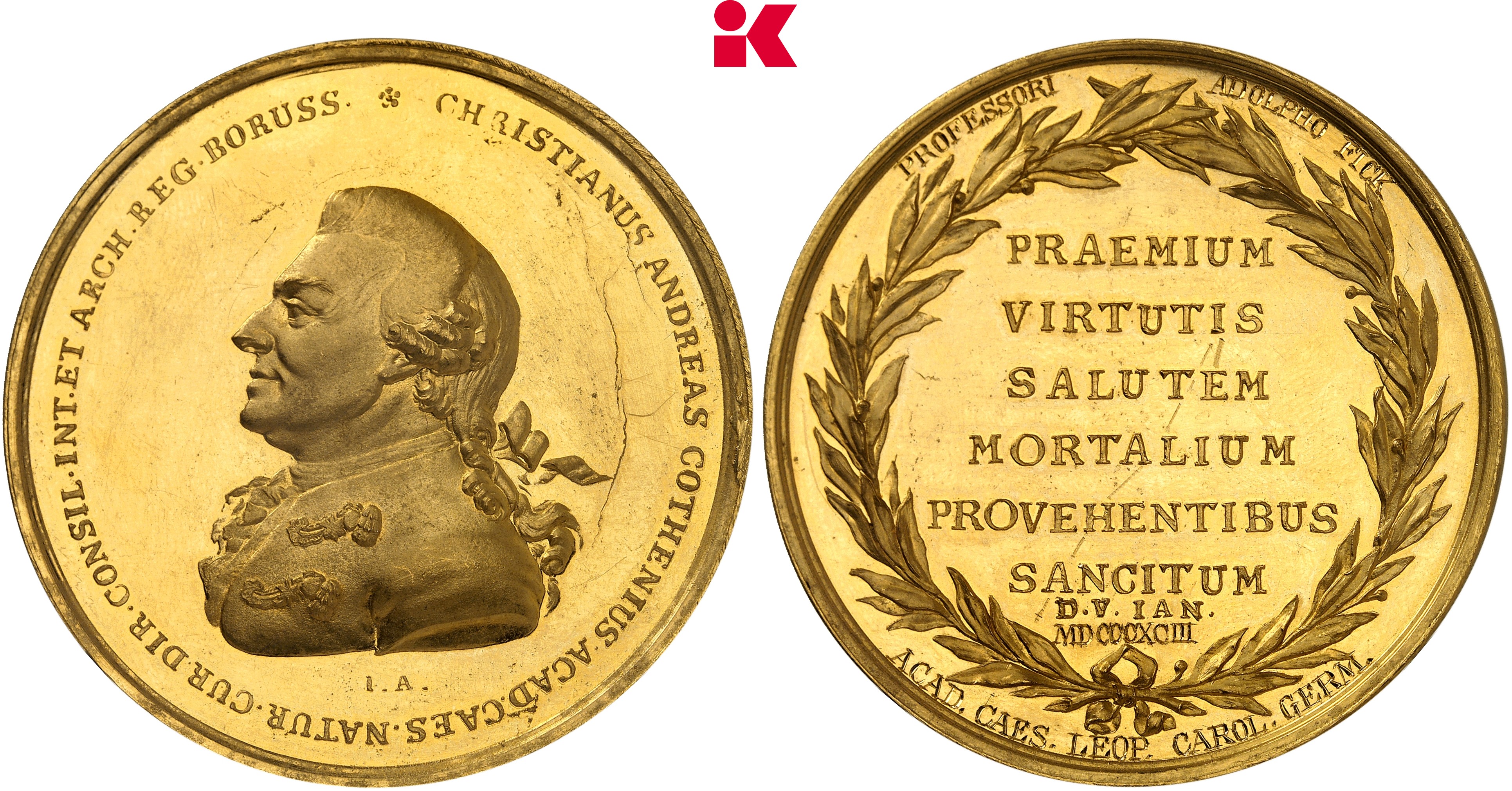
In this preview, we present just a few of the many highlights. From Prussia, for example, comes a premium Medal from the Leopoldinisch-Carolinische Akademie, which was awarded to Professor Adolf Fick in 1893 (lot 2380). Adolph Fick was arguably the most important physiologist of the 19th century. He worked both mathematically and experimentally, thus breaking new ground in medical research. Even today, cardiologists still refer to Fick's principle and physicists to Fick's laws. The importance of this researcher for the development of modern medicine is demonstrated by the fact that his Wikipedia article has been translated into 33 languages.
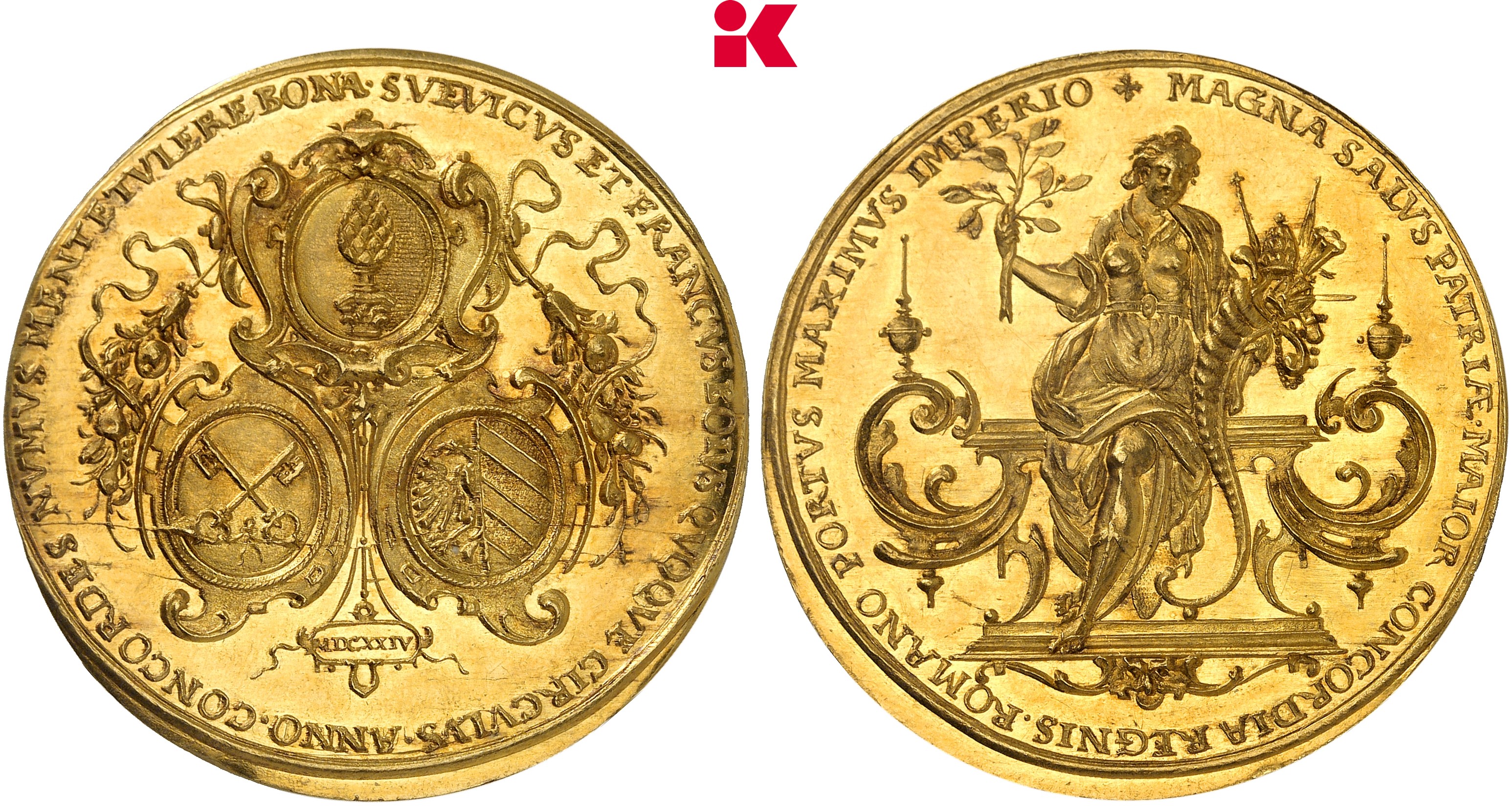
A Nuremberg Gold Medal (lot 2458) commemorates a key event in monetary history during the Thirty Years' War. On May 15, 1624, at a probation day in Regensburg, the three southwestern German imperial circles of Swabia, Franconia, and Bavaria decided on a new, stable exchange rate between small coins and coins of stable value such as talers and ducats. This ended the devastating period of currency instability in the south of the empire, which had caused lasting damage to trade due to the unpredictable deterioration of the currency. The fact that the three major imperial cities of Augsburg, Regensburg, and Nuremberg guaranteed compliance with the convention – at least in their own territories – can be considered a major diplomatic success.
The unsigned Medal commemorating this event is now attributed to Christian Maler, who took over his father's workshop in Nuremberg in 1603 and worked there until at least 1625/27. Incidentally, in 1613 he received an imperial privilege to protect all his medal designs from imitation.
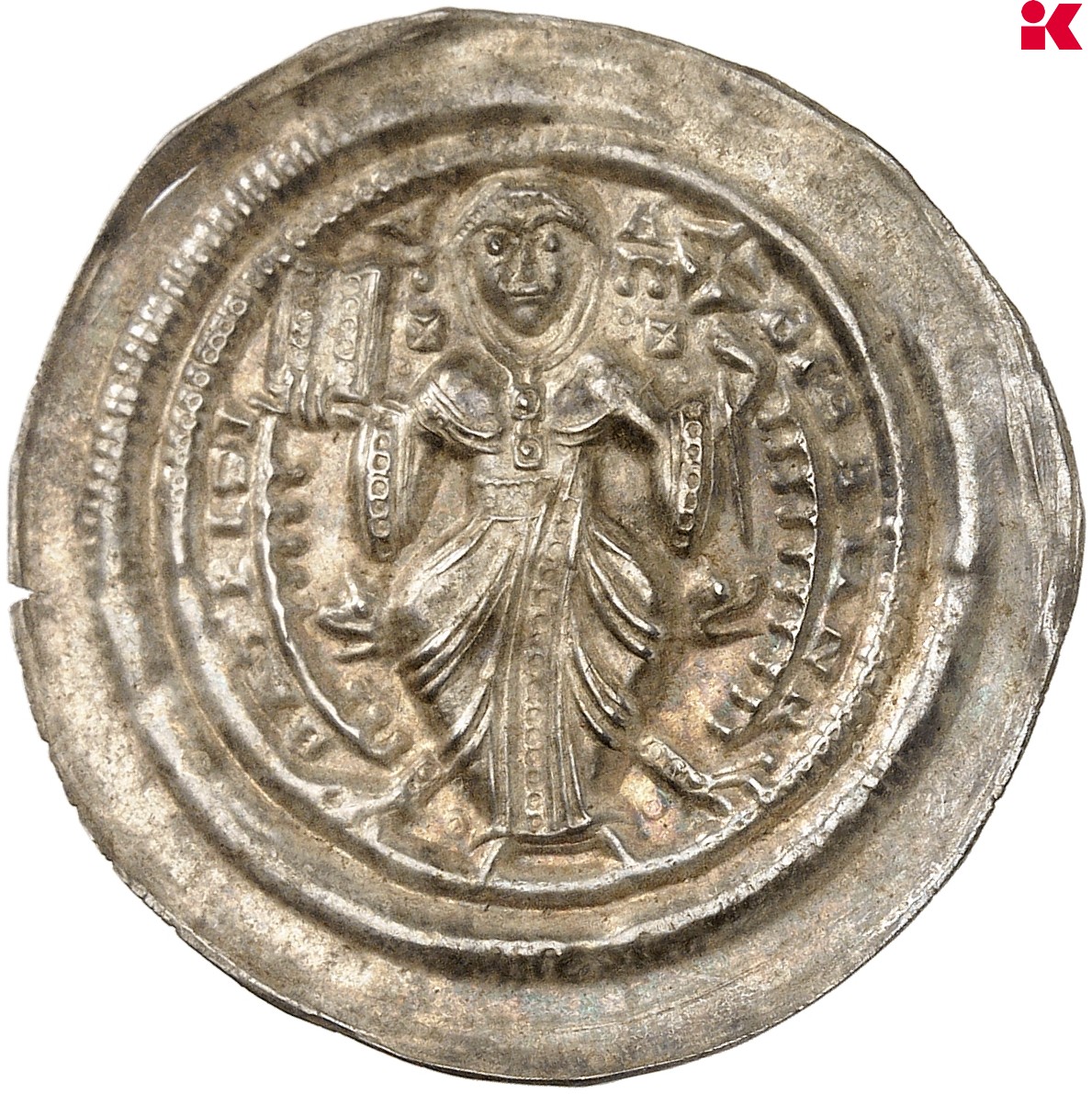
Those interested in bracteates will discover a rich selection in Auction Sale 441, spread across the entire area of the German States. They come from the Collection of Jürgen and Erika Schmidt. They are characterized by their quality and artistic merit. One can see how carefully the collector couple selected the pieces. They succeeded in acquiring a number of rarities. These include a bracteate from Quedlinburg Abbey by Abbess Beatrix II of Winzenburg (lot 4350), one of the most powerful women in the high medieval church hierarchy in Germany. She was responsible for founding several monasteries. Conscious of her power, she is depicted in full regalia: she is enthroned on a folding chair, as was customary for official occasions, and holds an open book and a crosier as insignia of her office. This bracteate is also one of the rare examples on which a clearly legible legend can be seen.
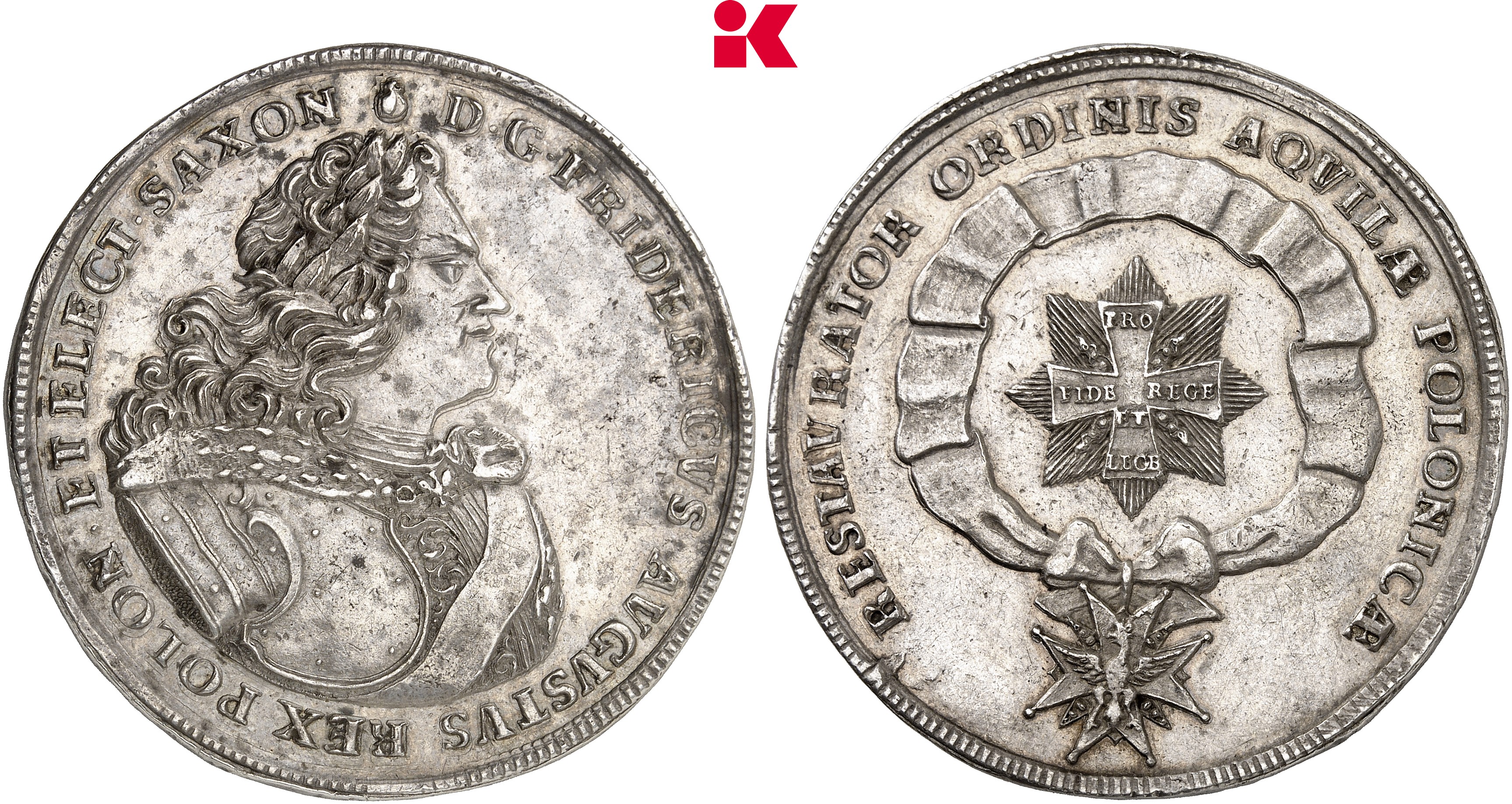
Finally, let us mention the magnificent Reichstaler of Augustus the Strong depicting the Polish Order of the White Eagle (lot 4464). It was minted in 1705 to reward Augustus' supporters who had helped him regain the throne. The unusual coin inscription “Restaurator Ordinis Aquilae Polonicae” (= Restorer of the Order of the Polish Eagle) can be traced back to Augustus's reference to a – in reality – non-existent order of King Władysław I, which he claimed to have revived. In this way, he circumvented the Polish nobility's resistance to the new award.
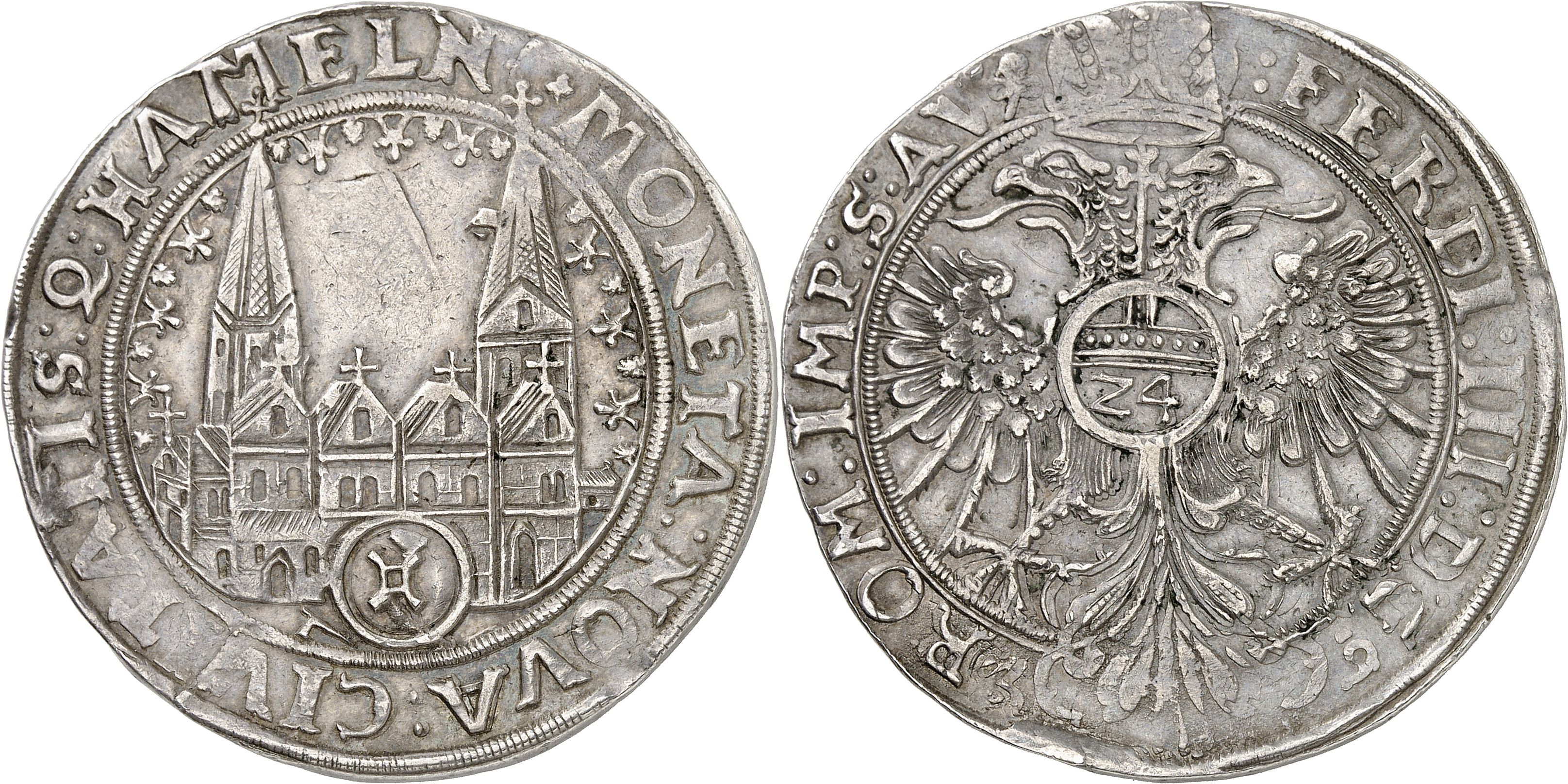
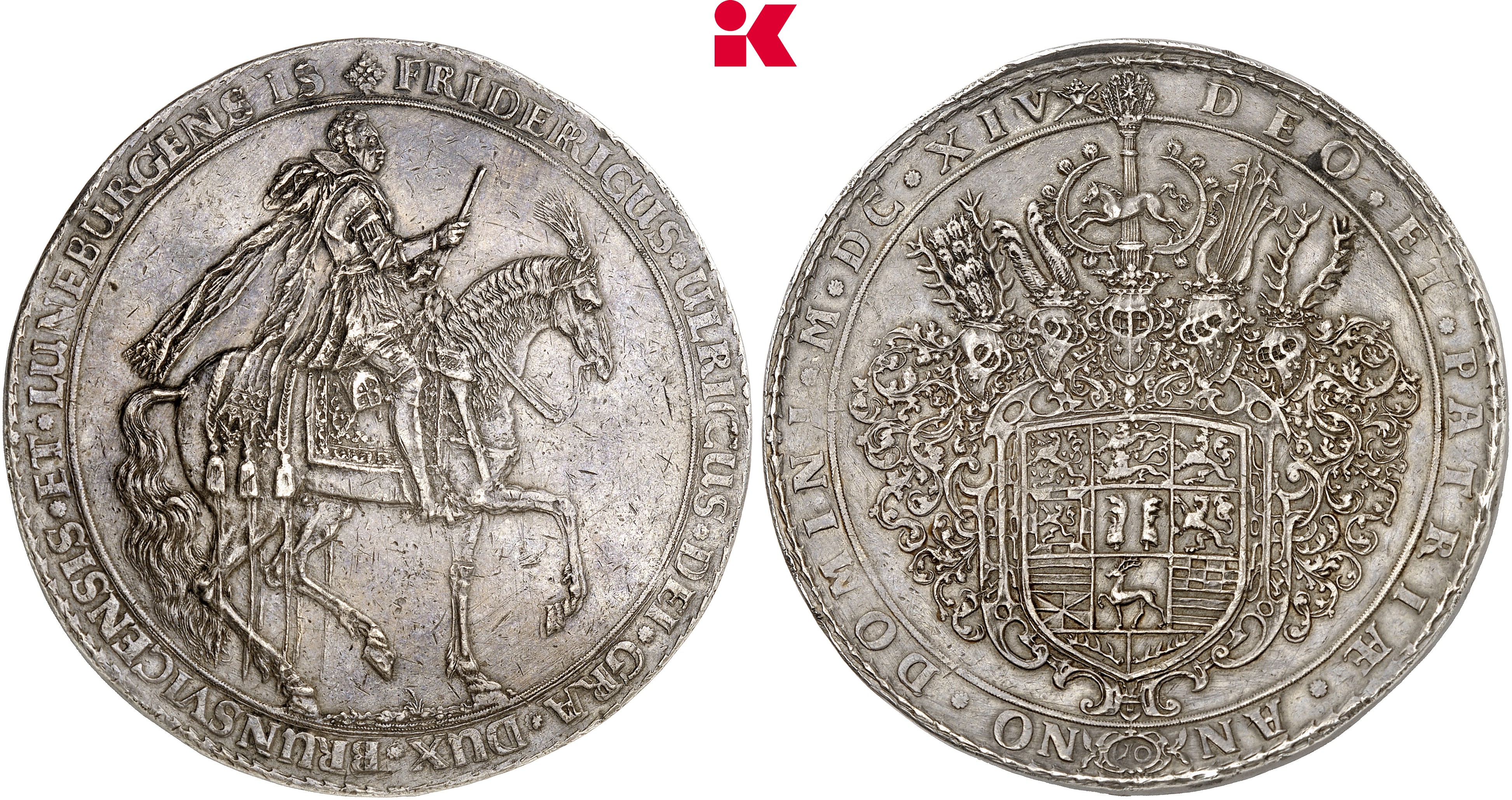
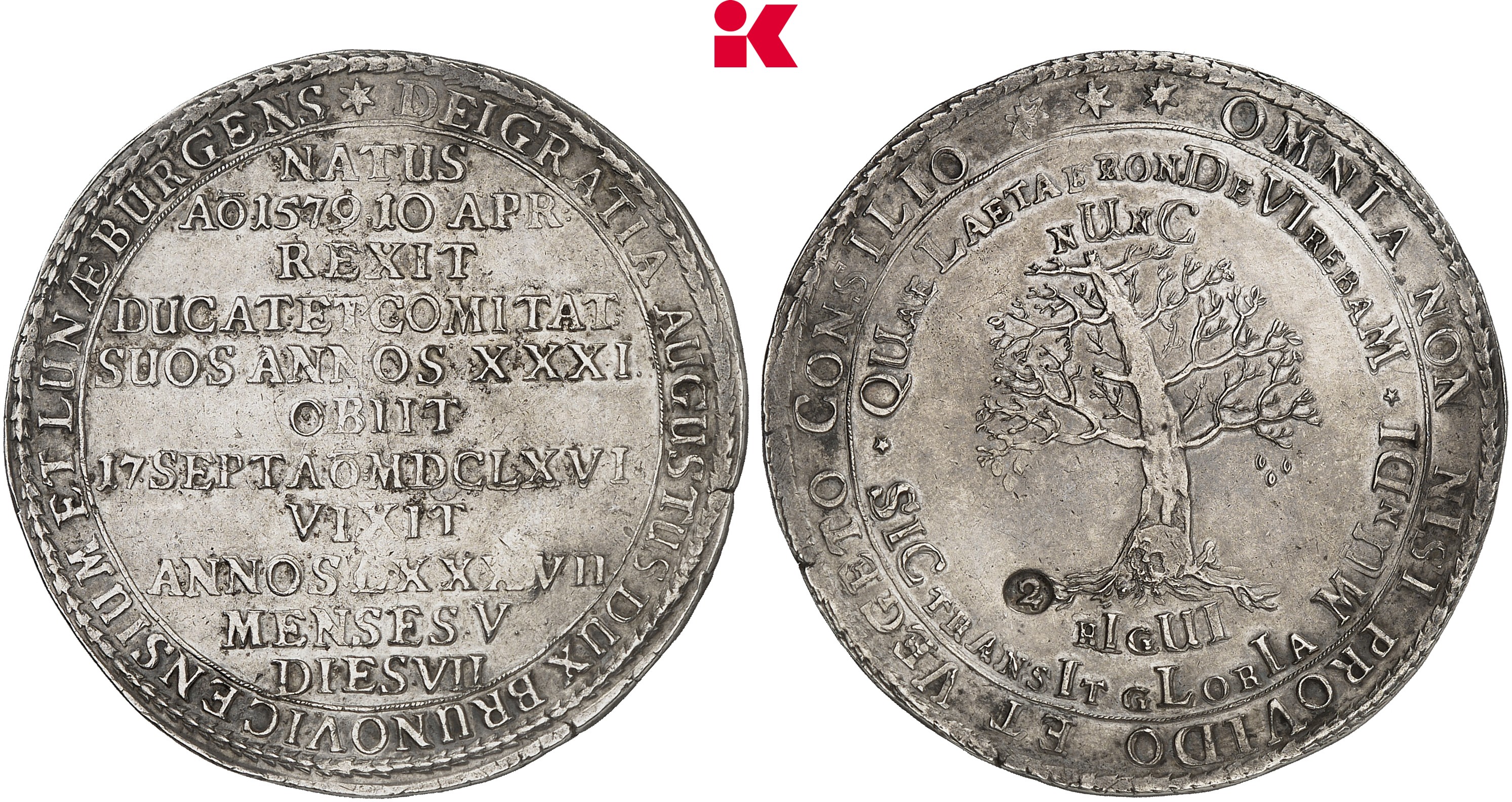
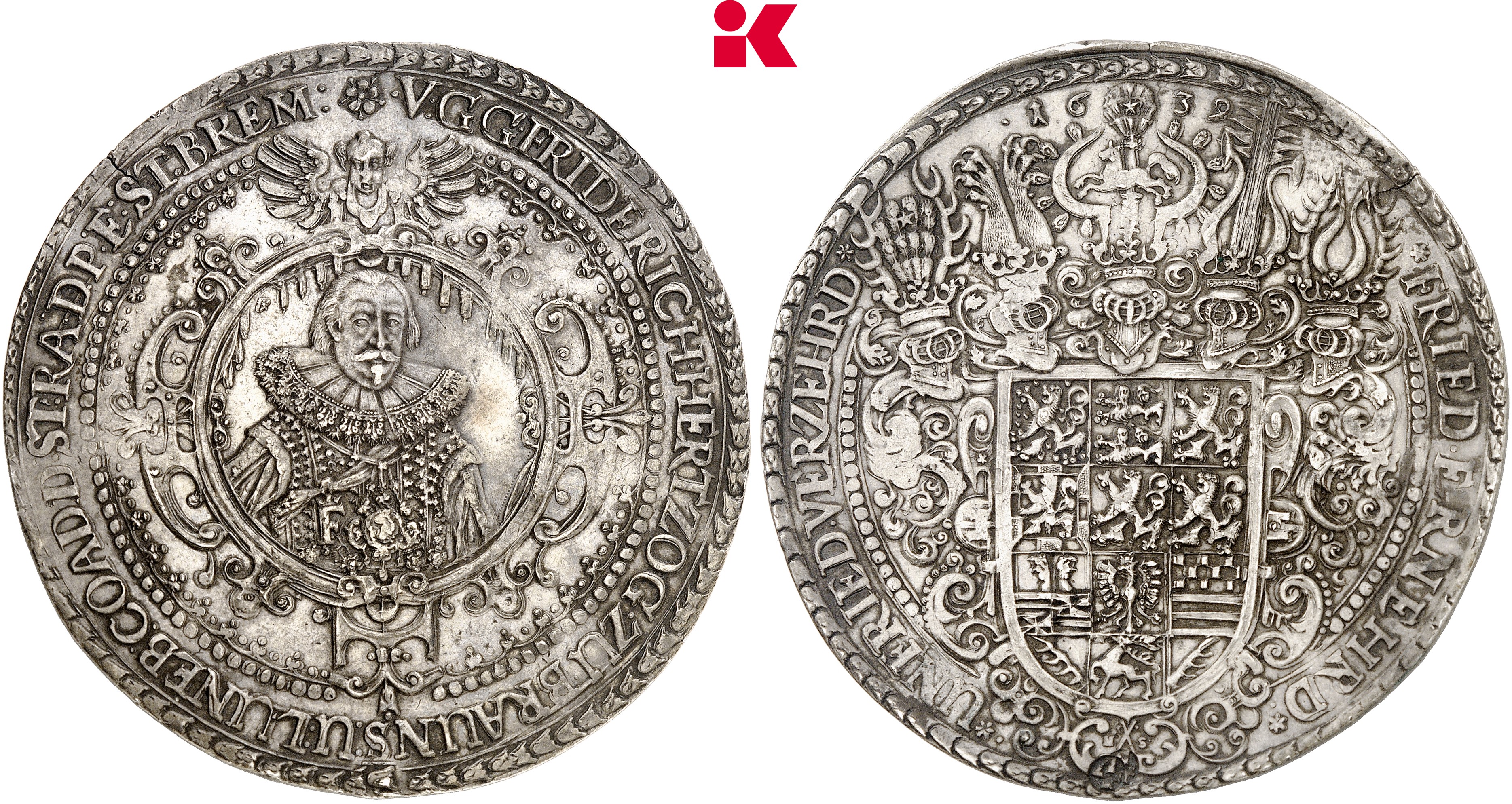
Once again, we are able to offer a large batch of tokens from Braunschweig. Among them is an extremely rare 10 Reichstaler coin from 1614, which Friedrich Ulrich had minted in Goslar or Zellerfeld. Also on offer is a two Reichstaler Löser commemorating the death of Augustus the Younger and a four Reichstaler Löser of Frederick from 1639 from Clausthal.
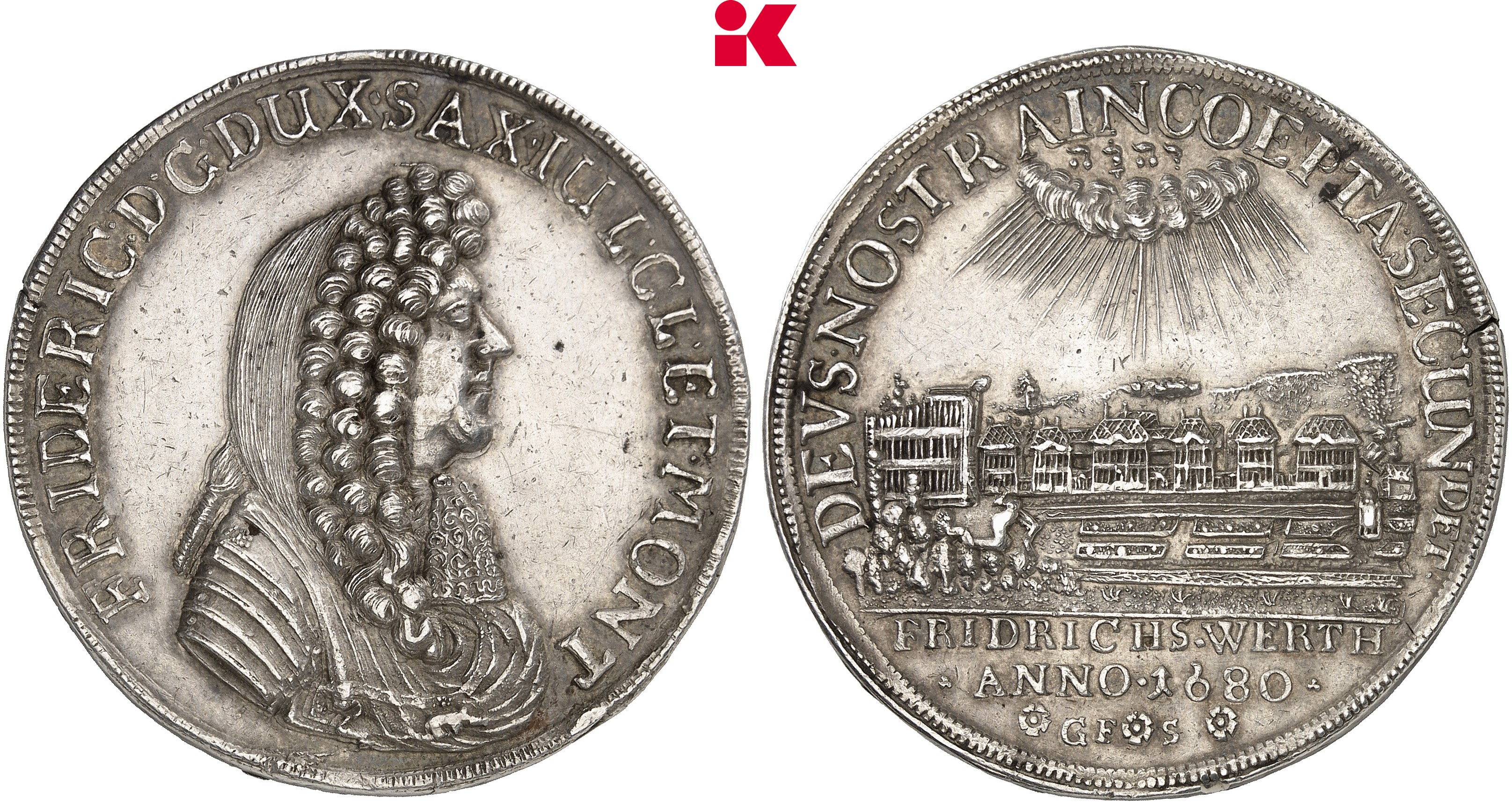
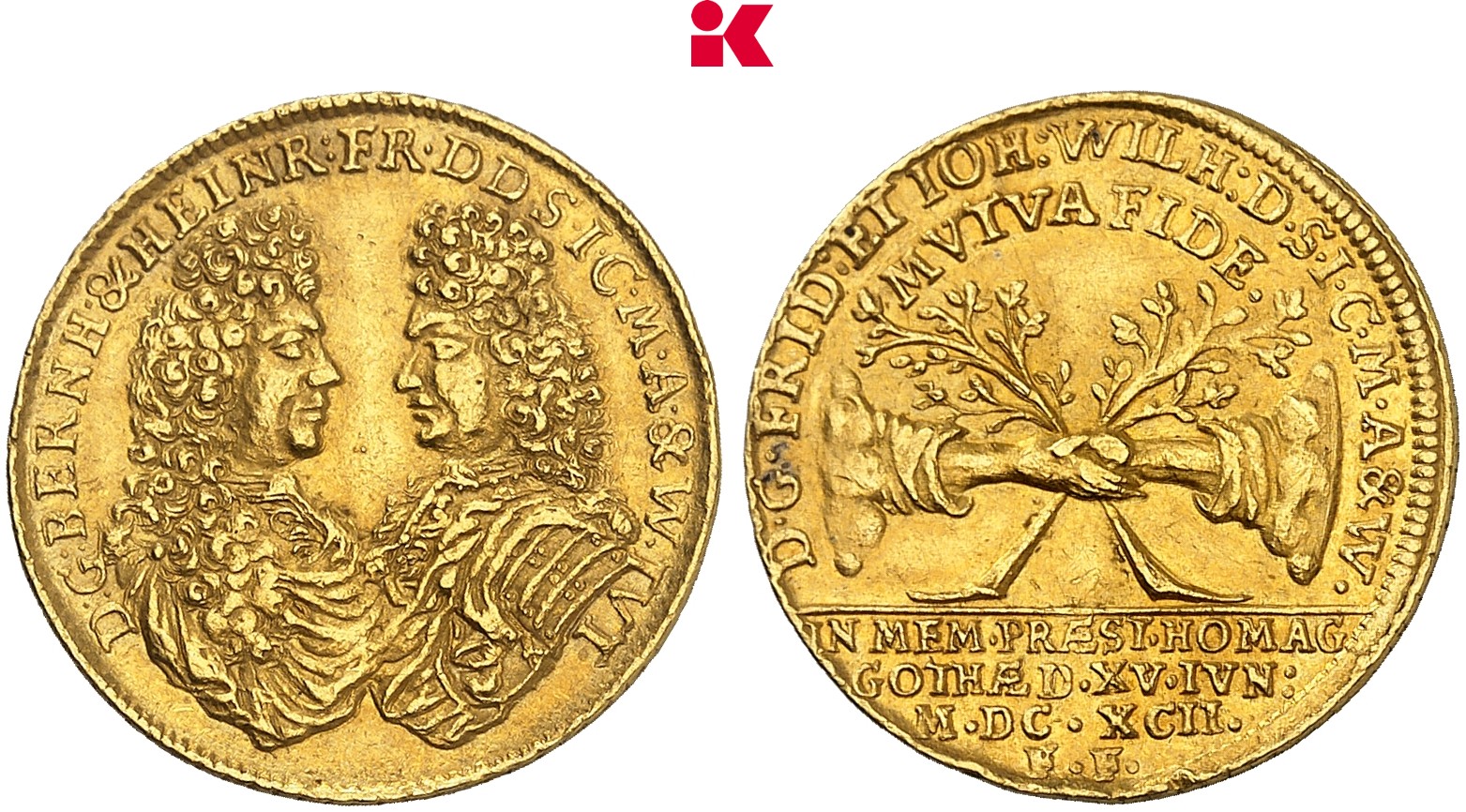
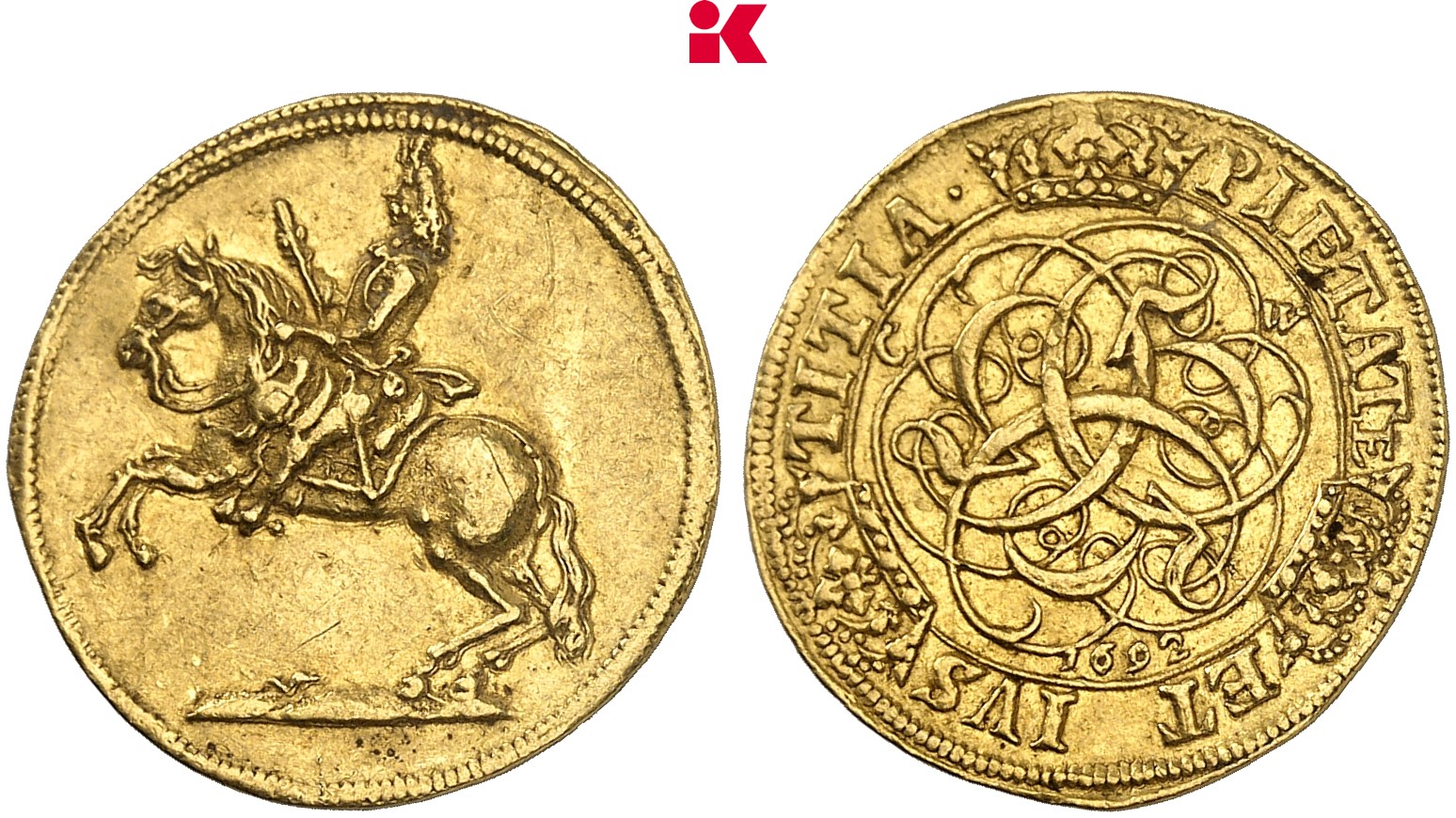
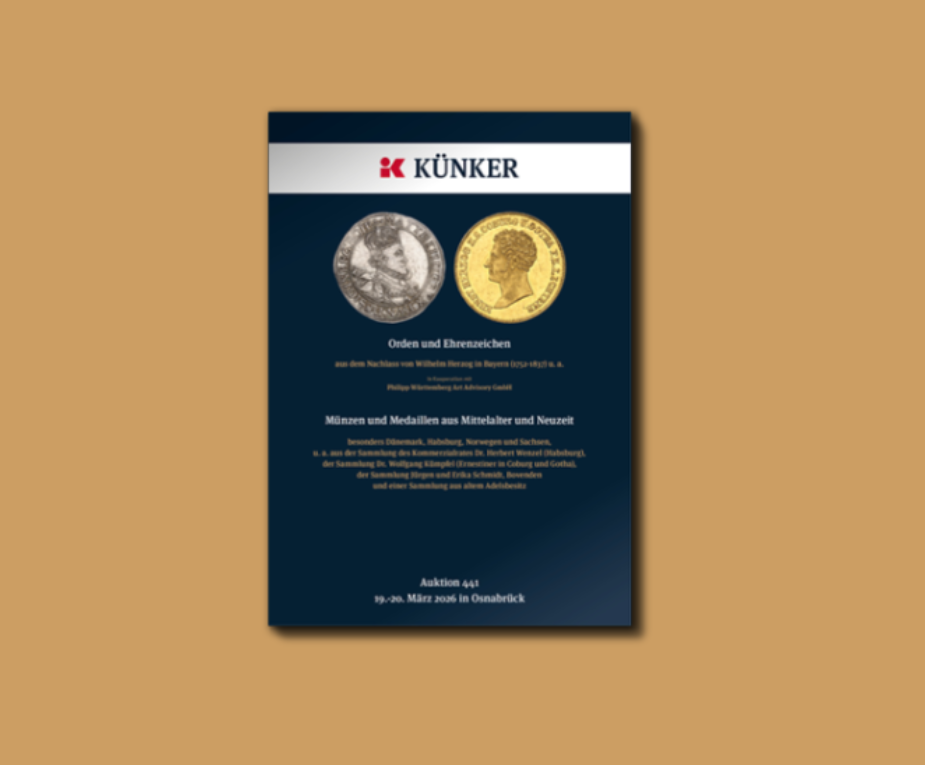
60 lots from the Ernestine branches in Coburg and Gotha will be auctioned on the afternoon of 19 March 2026. They are from the collection of Dr. Wolfgang Kümpfel, a chemist and an enthusiastic supporter of his hometown of Gotha. He was fascinated by its history and inspired by its former status as a ducal residence, as so many reminders of its former glory have been preserved in the castle. This is why the collector prioritized historical importance and attractive designs when selecting his pieces. A good example of this is a 1680 taler commemorating the construction of Friedrichswerth Castle (not to be confused with Friedenstein Castle in Gotha), or the 1692 ducat created on behalf of Frederick II of Saxe-Gotha-Altenburg to mark his homage in Gotha. We know that the prince received 45 specimens of this issue, totaling 115 pieces, to give as gifts to princely visitors at the homage ceremony.
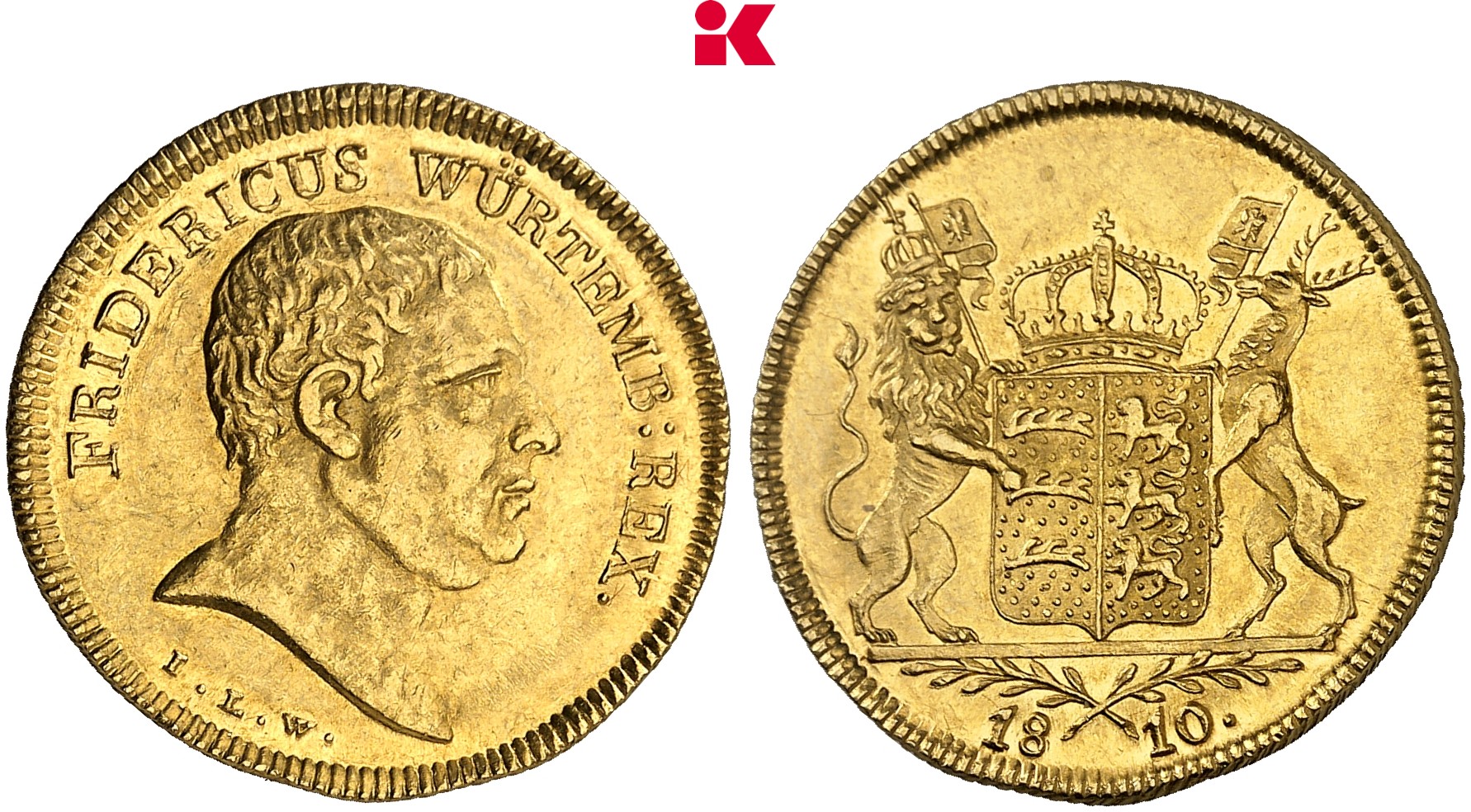
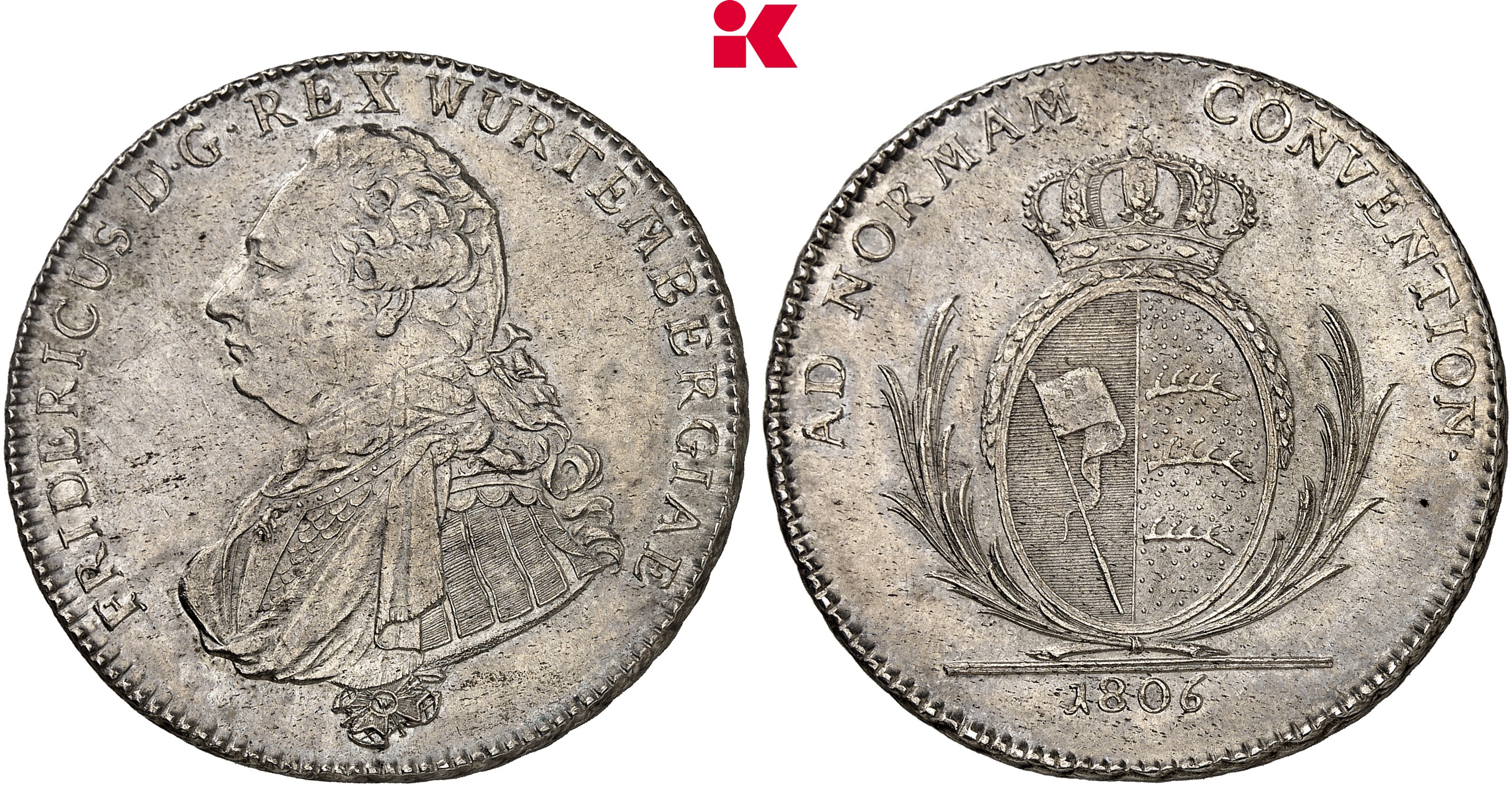
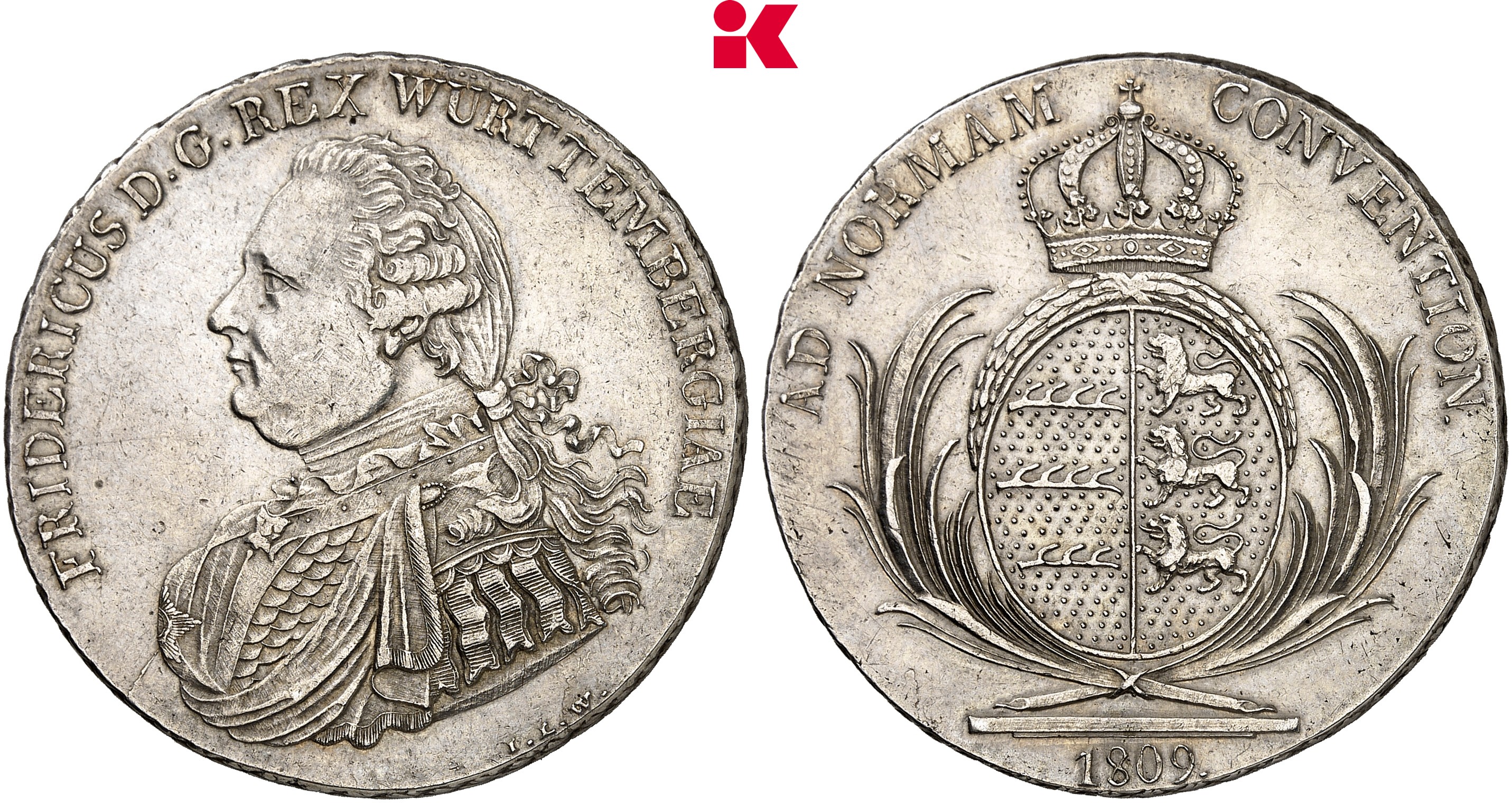
We have now reached the third and final auction of Württemberg coins from the Heinz-Falk Gaiser Collection. It comprises 153 lots from the period 1797 to 1918. Once again, there are numerous rarities in exceptional condition to be discovered, which will delight not only collectors of Württemberg coins. These include the extremely rare Friedrichs d'or from 1810 with the royal title, the so-called Königstaler from 1806, and the very rare, exceptionally well-preserved Konventionstaler from 1809. For all those interested in coins from the German Empire, don't forget to take a look at the Gaiser Collection. Thirteen exceptionally well-preserved pieces date from this period.
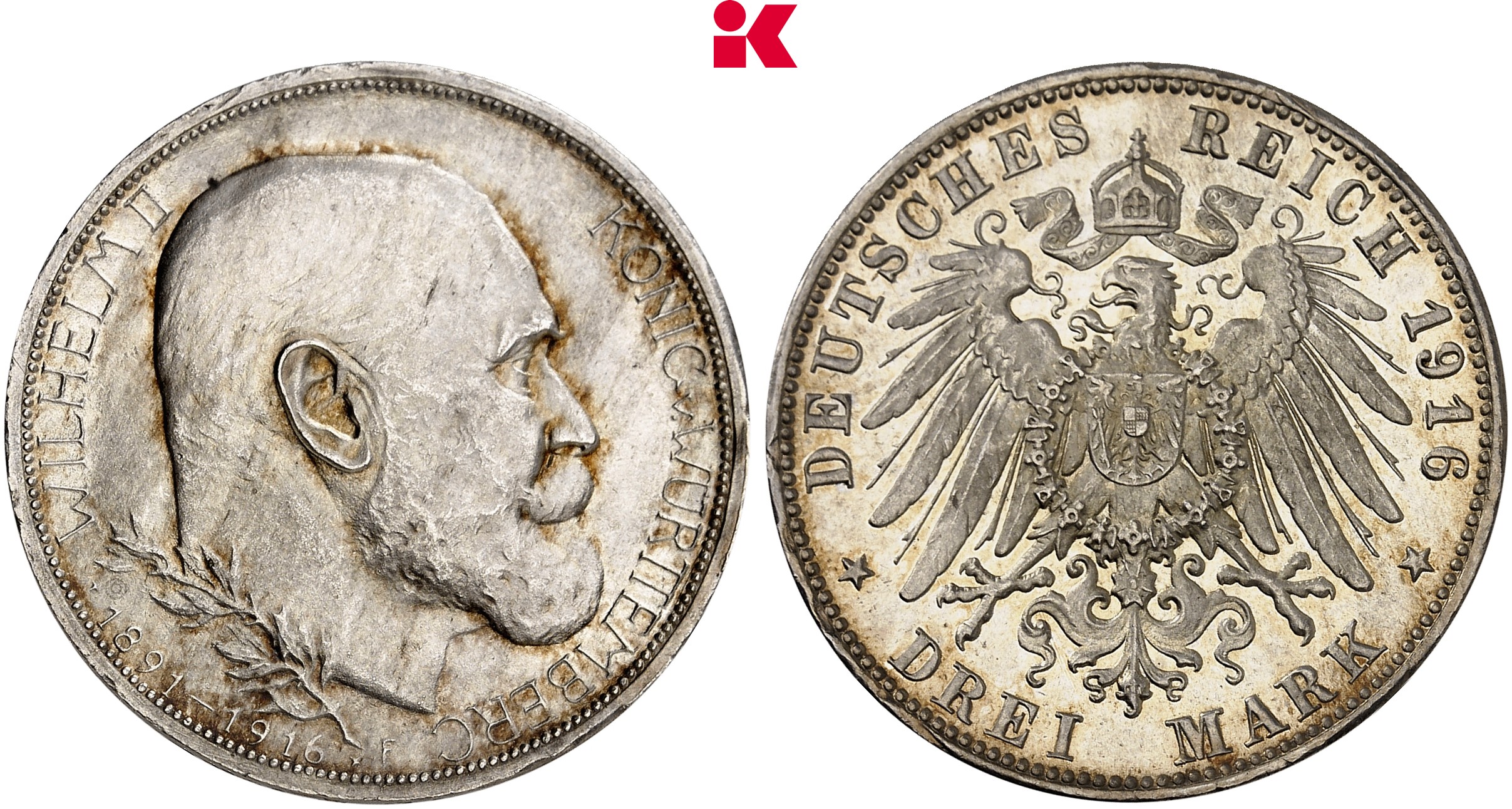
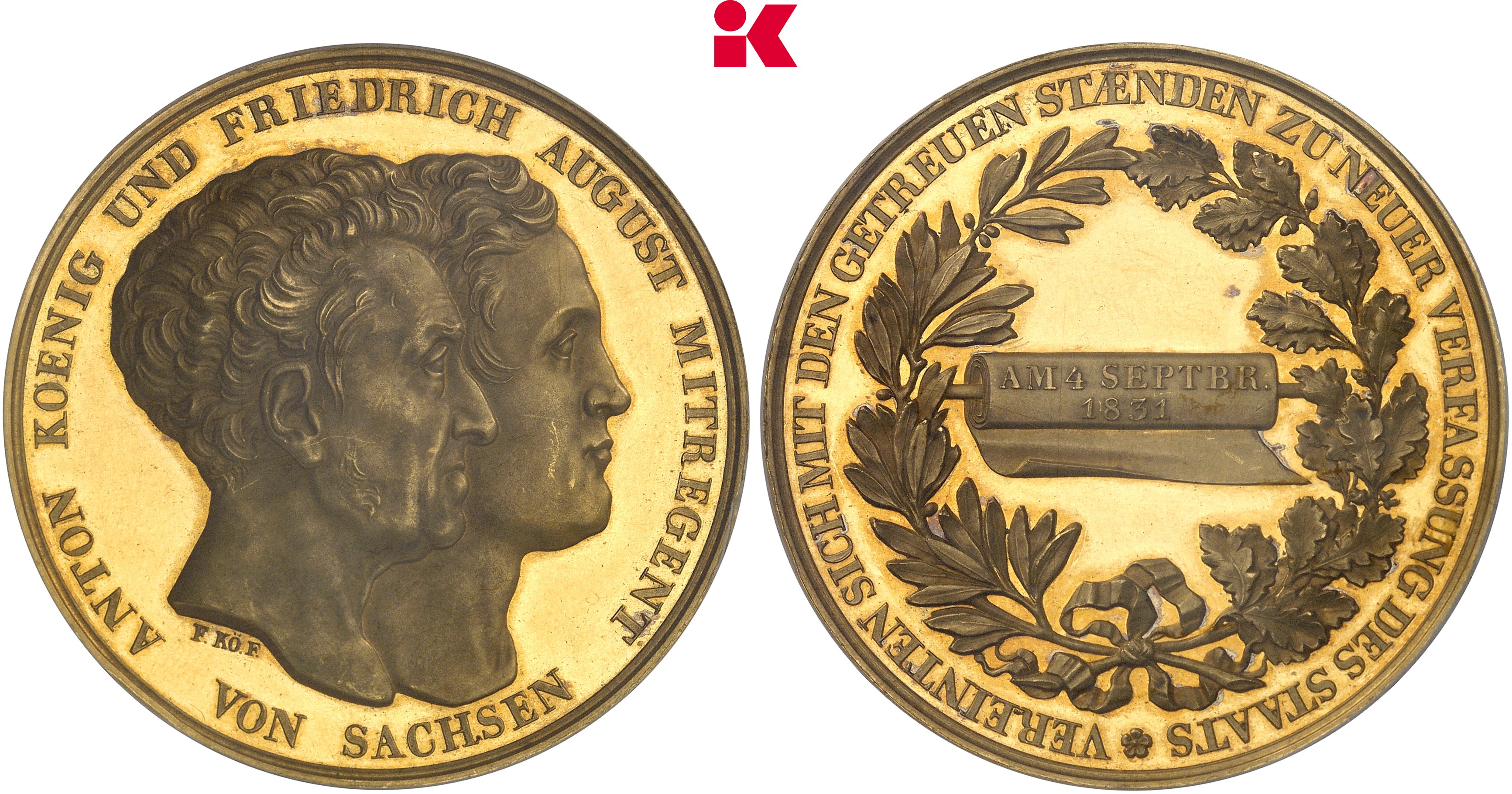
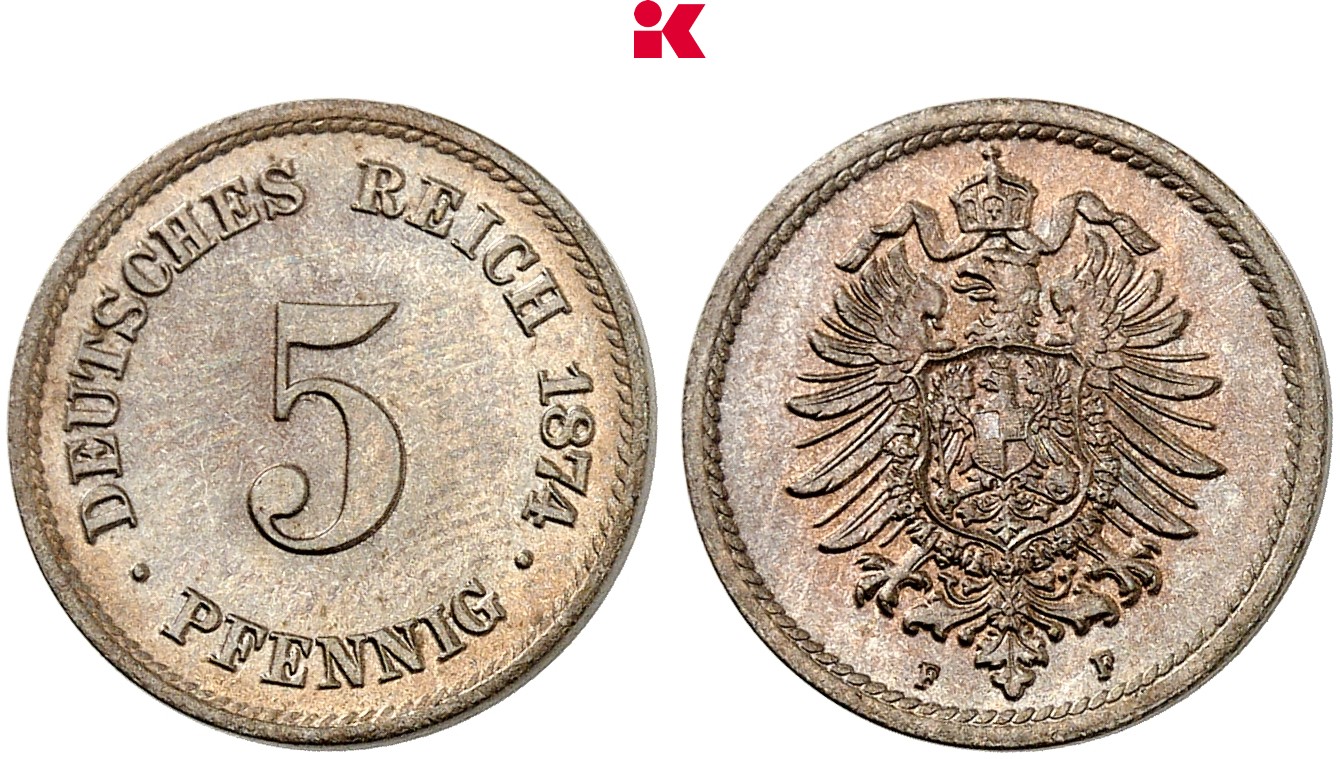
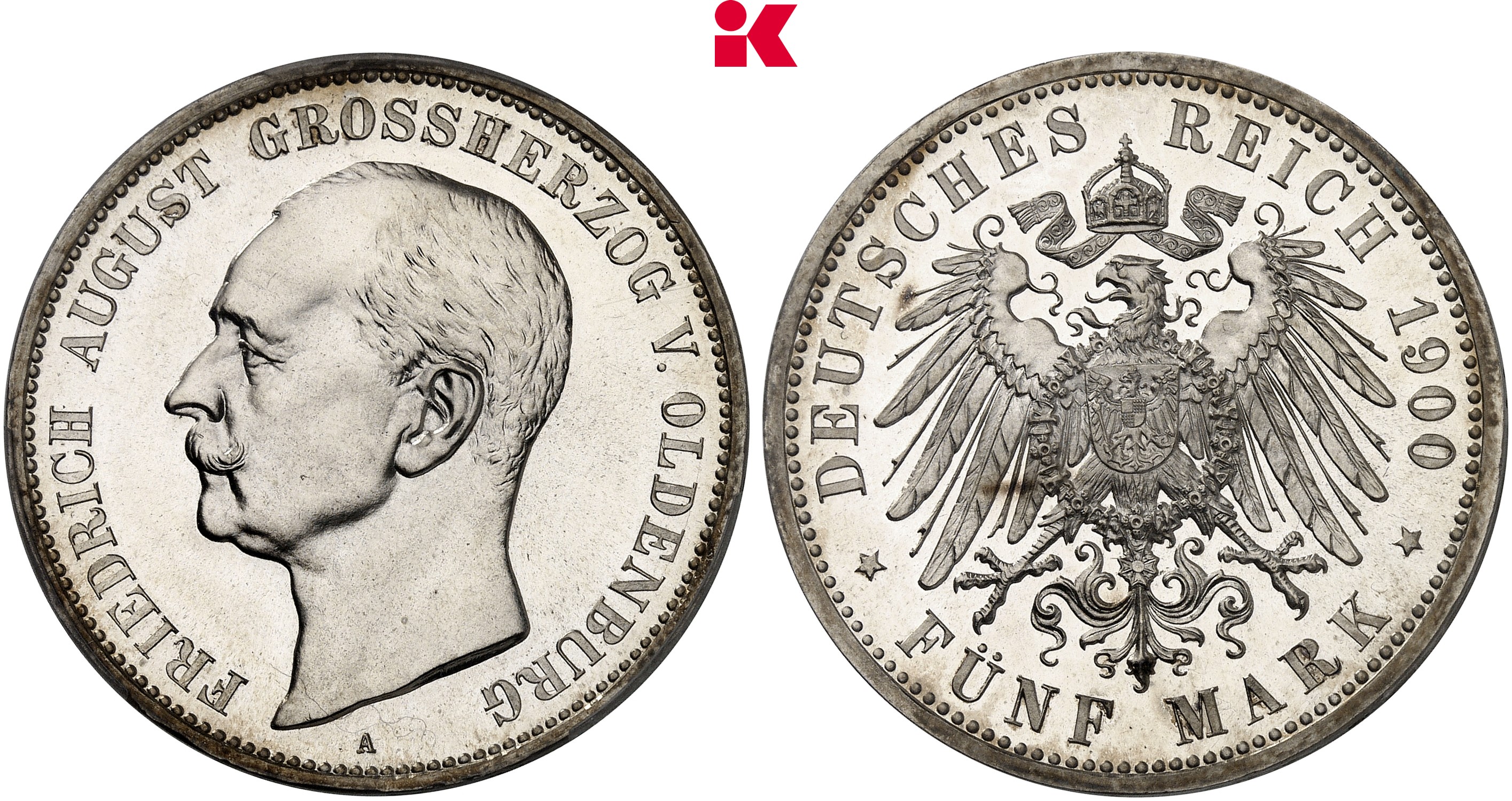
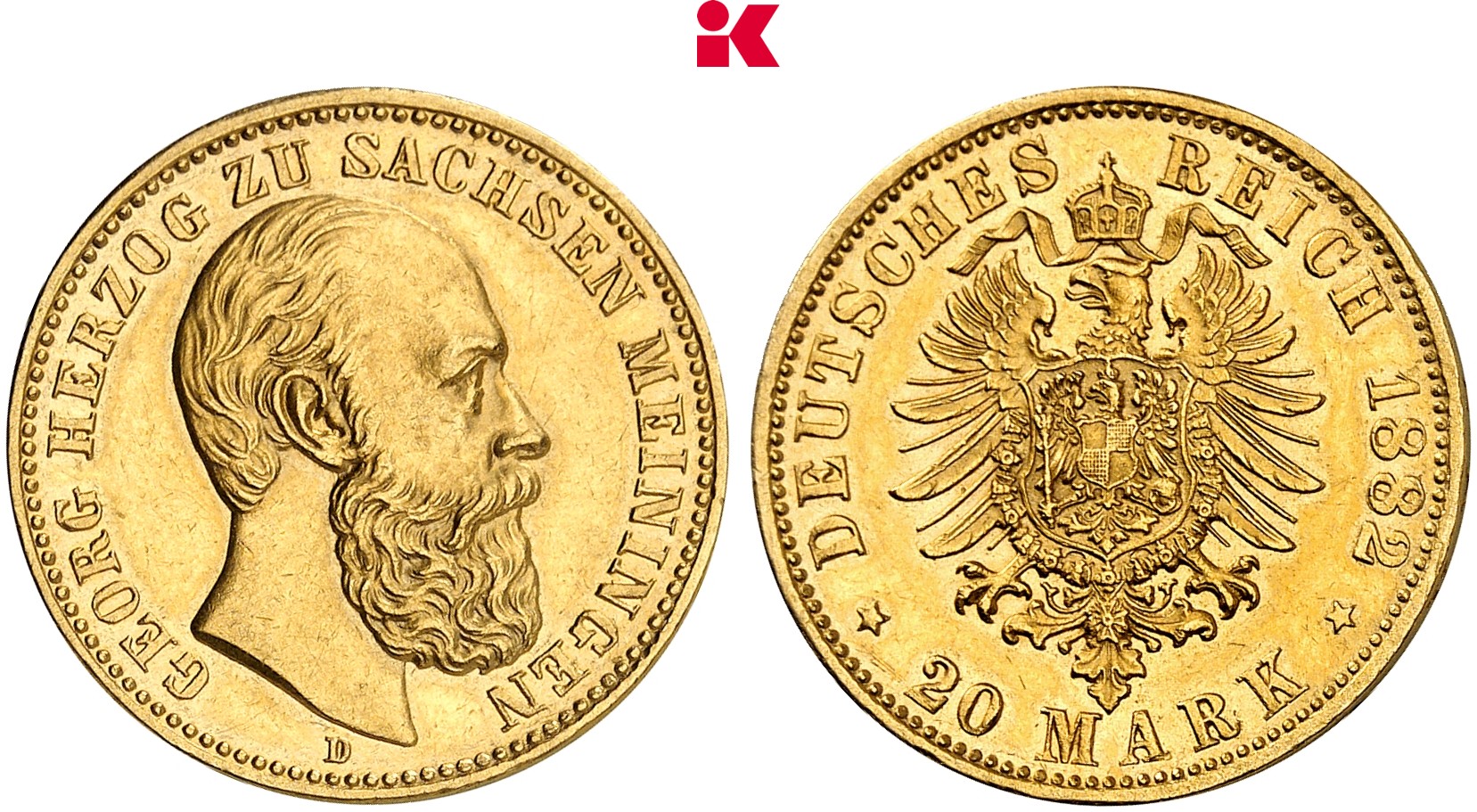
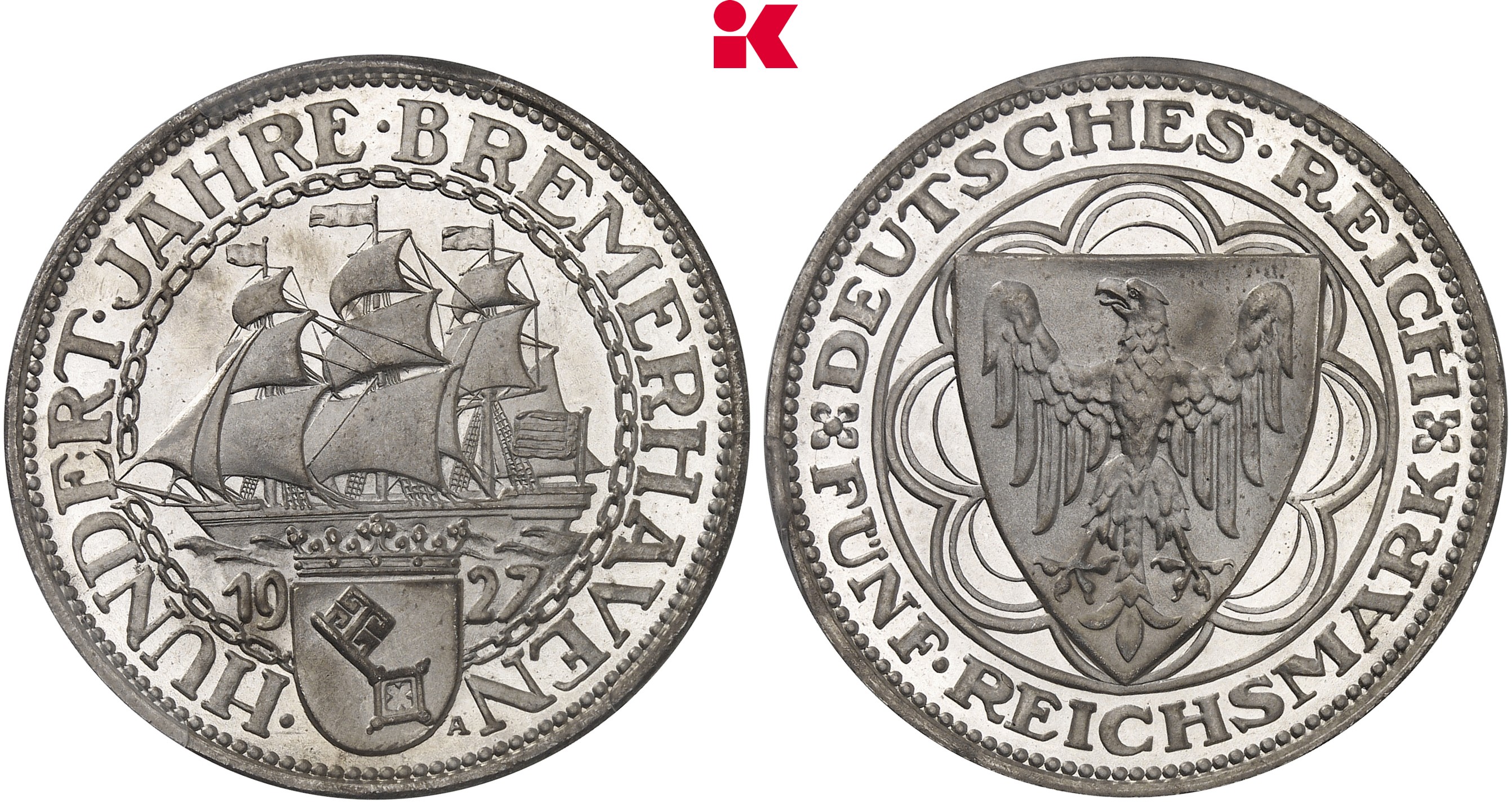
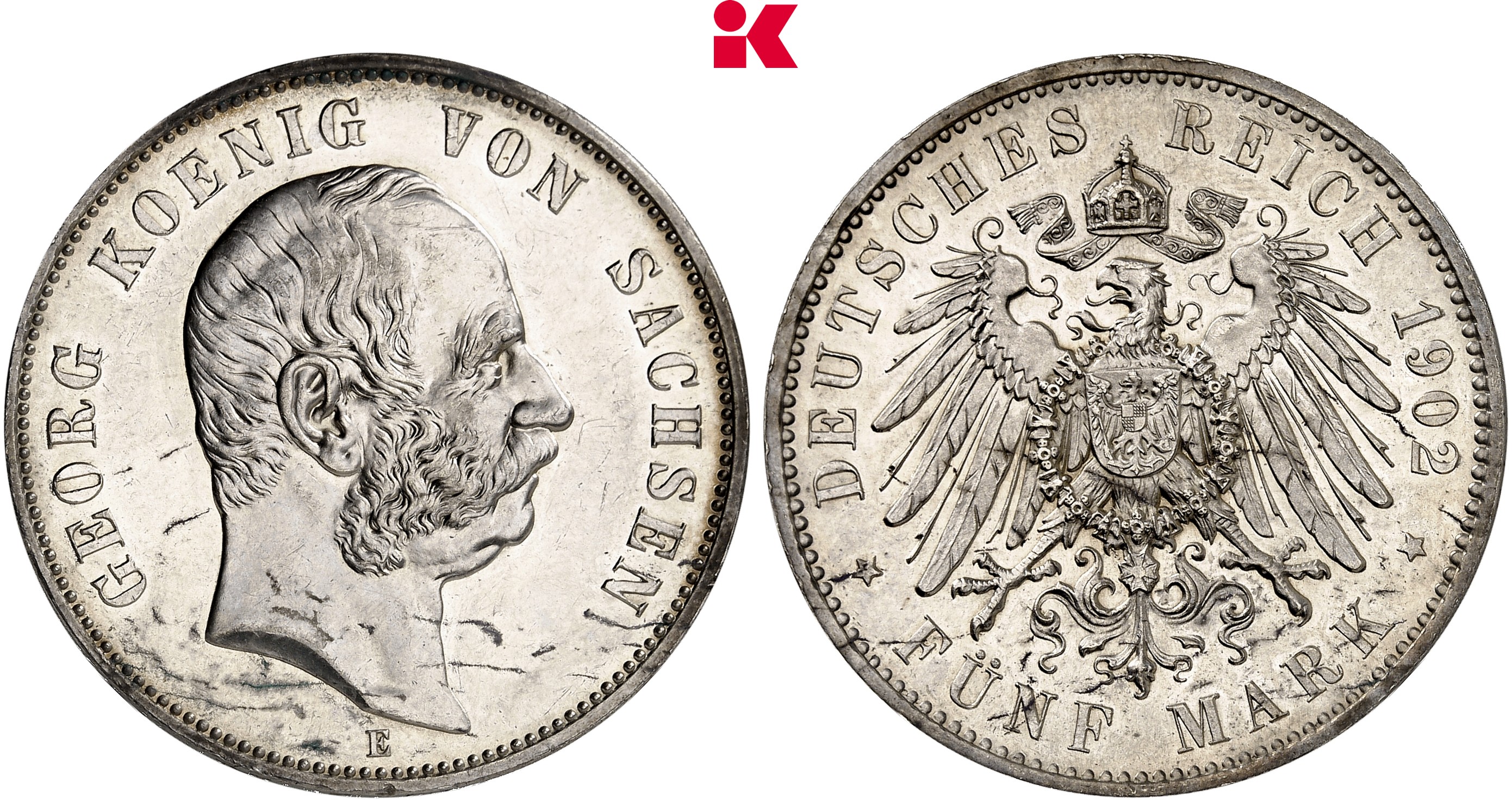
And that brings us to the topic of the German Empire: Of course, we also have a comprehensive selection of coins from after 1871 on offer this time. Many pieces come from the Jürgen and Erika Schmidt collection, including an interesting batch of small coins in proof quality and several coins from the Weimar Republic in proof quality.
Another exceptional item is a small but very fine selection of samples of imperial silver coins.
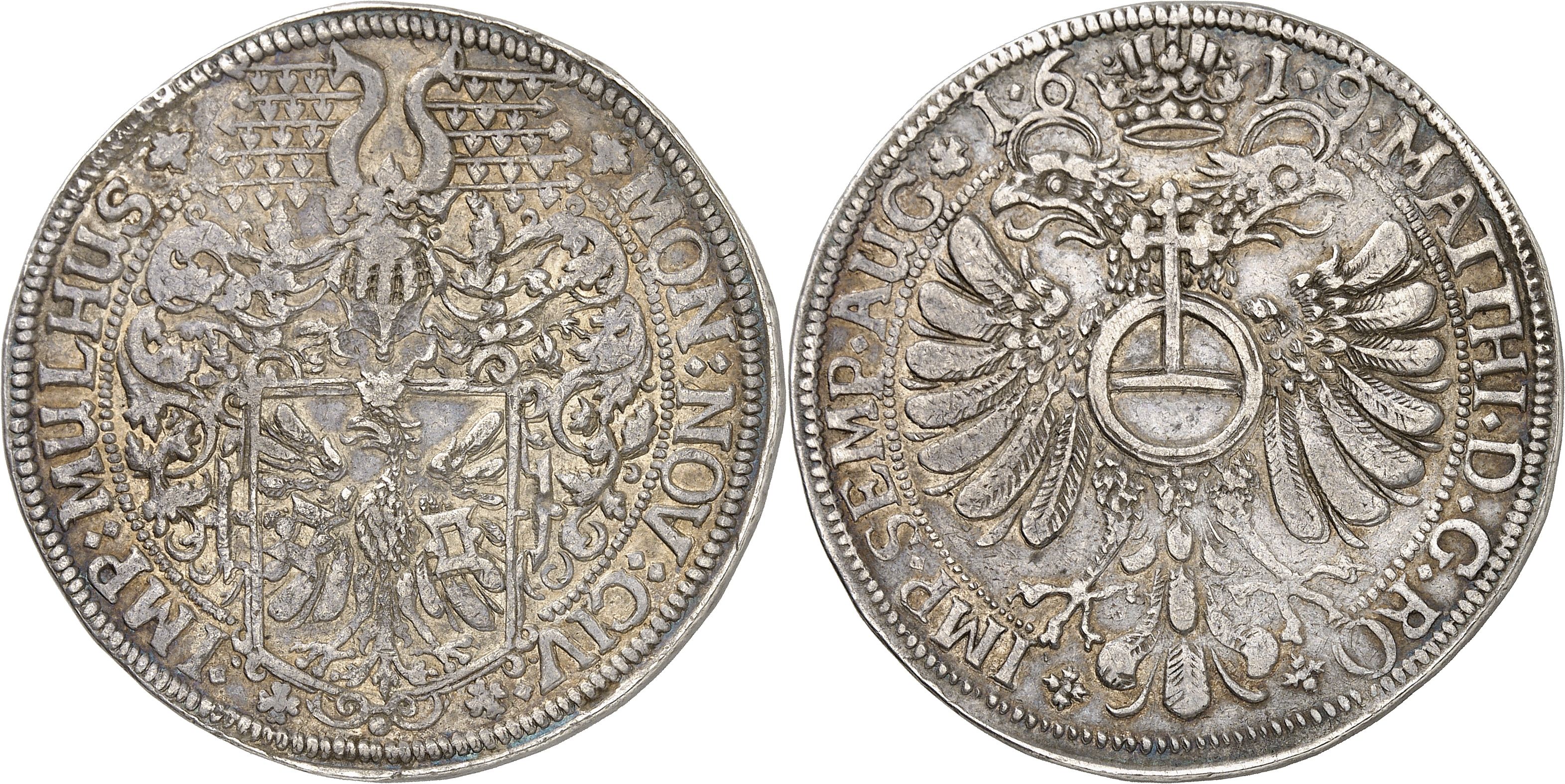
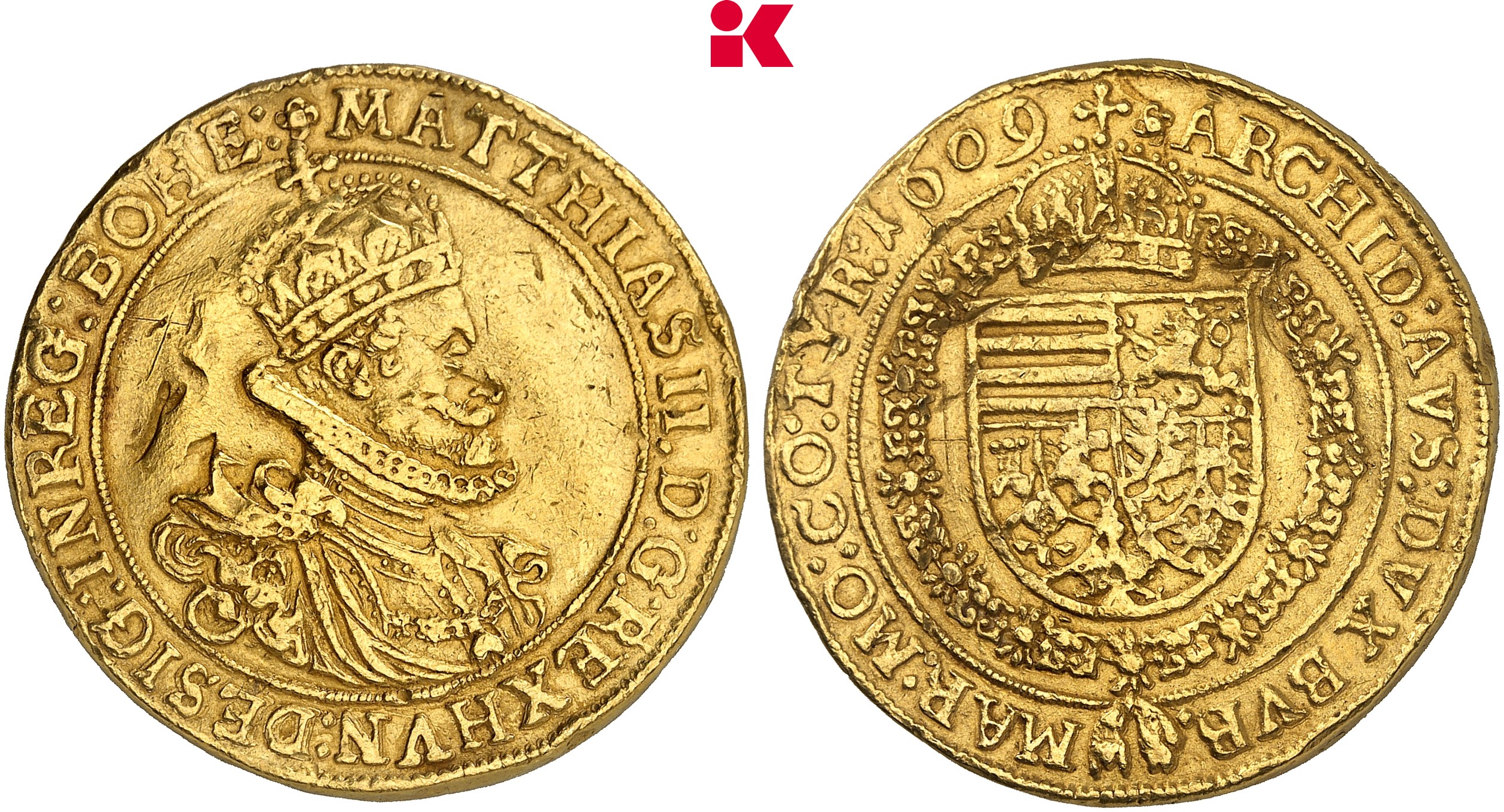
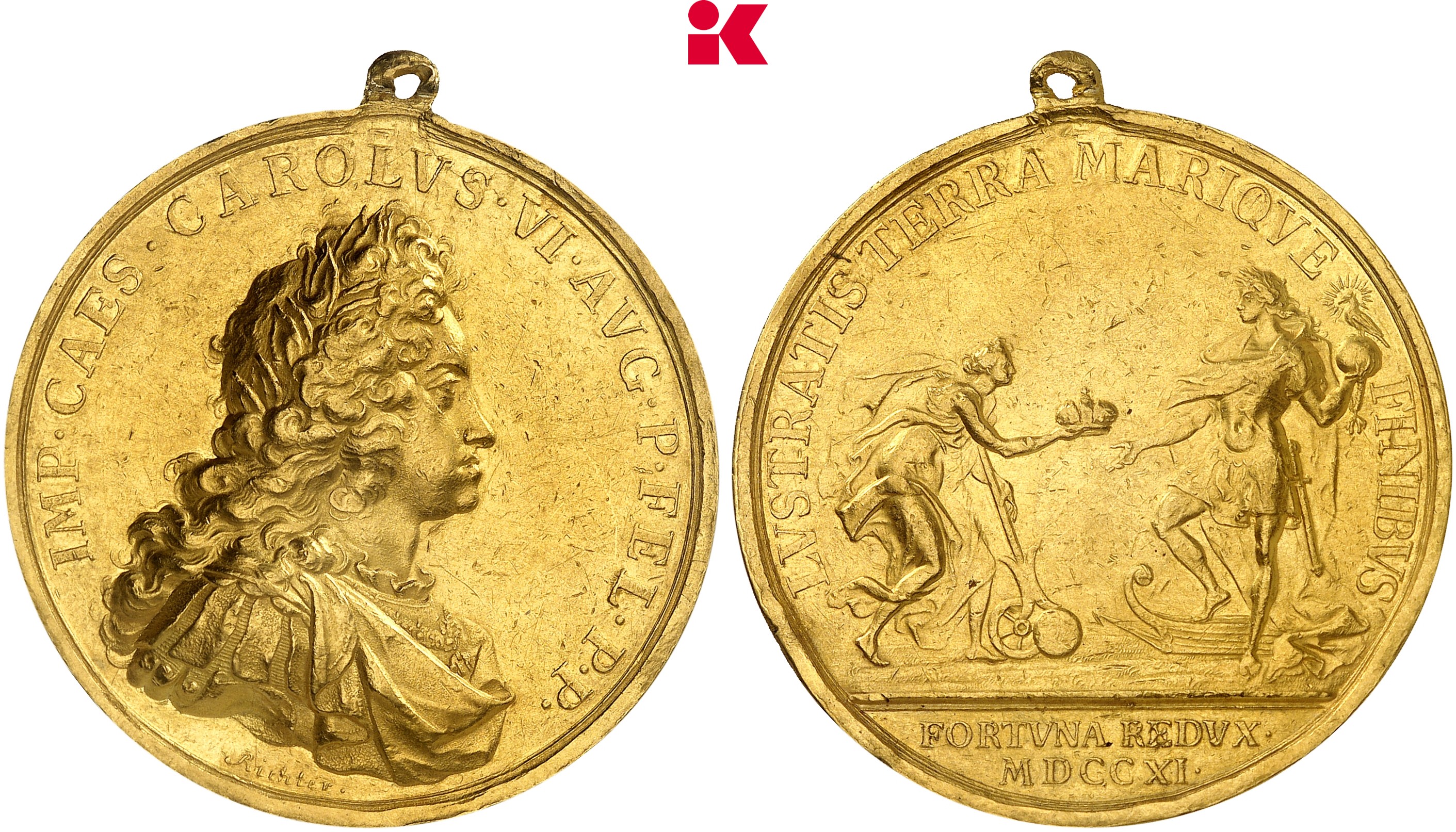
This auction also features a large portion of the spectacular collection of Kommerzialrat Dr. Herbert Wenzel, Vienna. These coins from the Habsburg Empire are distinguished by their rarity and exceptional quality. We would like to mention here a previously unknown multiple coin weighing 8 ducats minted by Matthias in Vienna in 1609 (lot 2264) and a portable gold medal worth 40 ducats from 1711 commemorating the arrival of Emperor Charles VI on the occasion of his coronation in Frankfurt (lot 2287). This piece is likely to be unique.
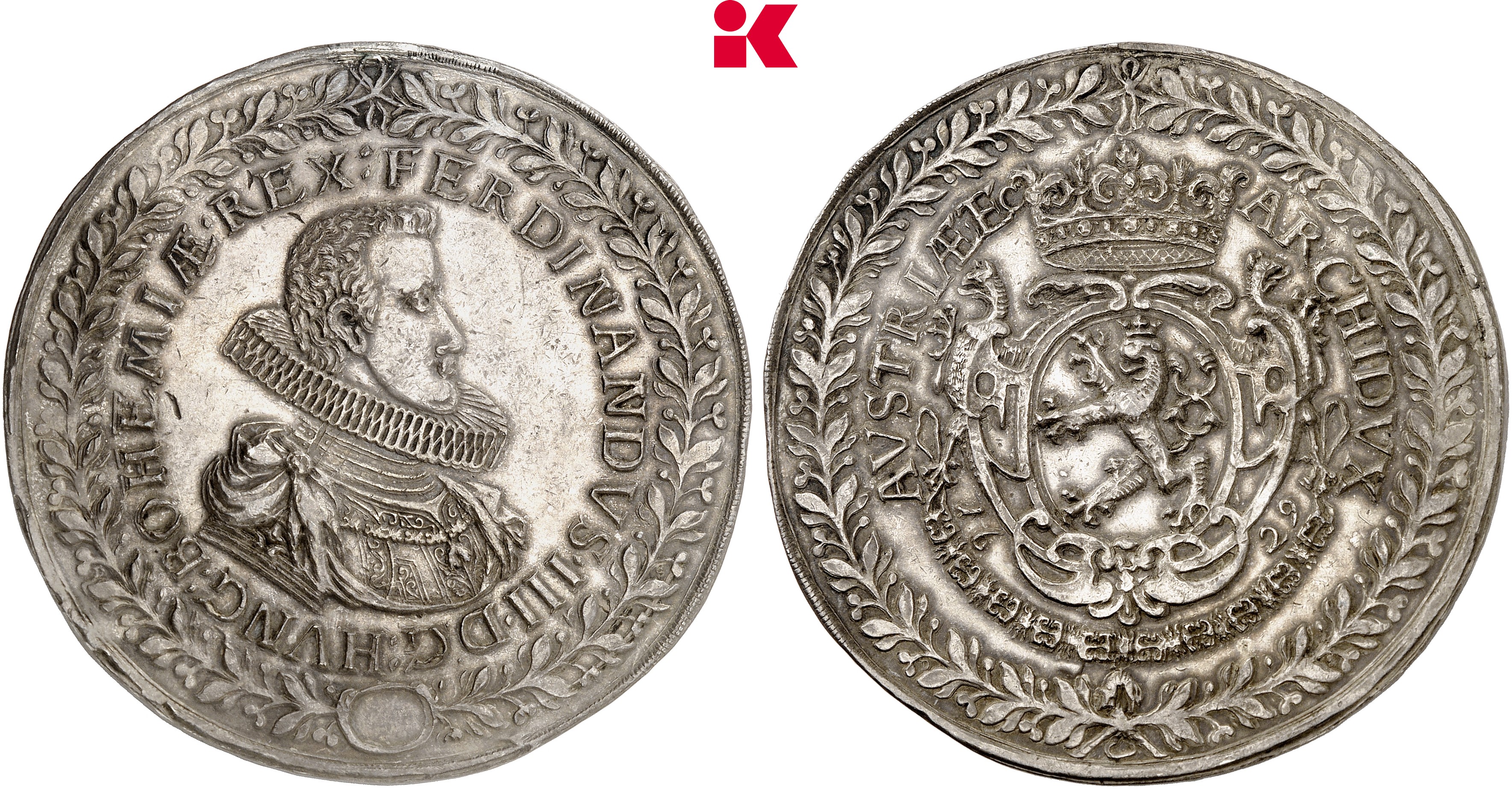
Also noteworthy is the quadruple Schautaler from 1629, which Ferdinand III had minted in Prague (lot 4757). Nineteenth-century numismatists sought to explain this ceremonial issue with the emperor's recovery from smallpox, which is rather unlikely. A much more realistic explanation is its use as a diplomatic gift at the Regensburg Electors' Assembly. At that time, Ferdinand II attempted to push through the election of his son as king. This failed because the Spanish Habsburgs needed military assistance in the Netherlands. At this meeting, in exchange for the support of the imperial princes, the emperor not only had to renounce his promise to elect his son as king, but also sacrifice Wallenstein, who was very unpopular with the electors.
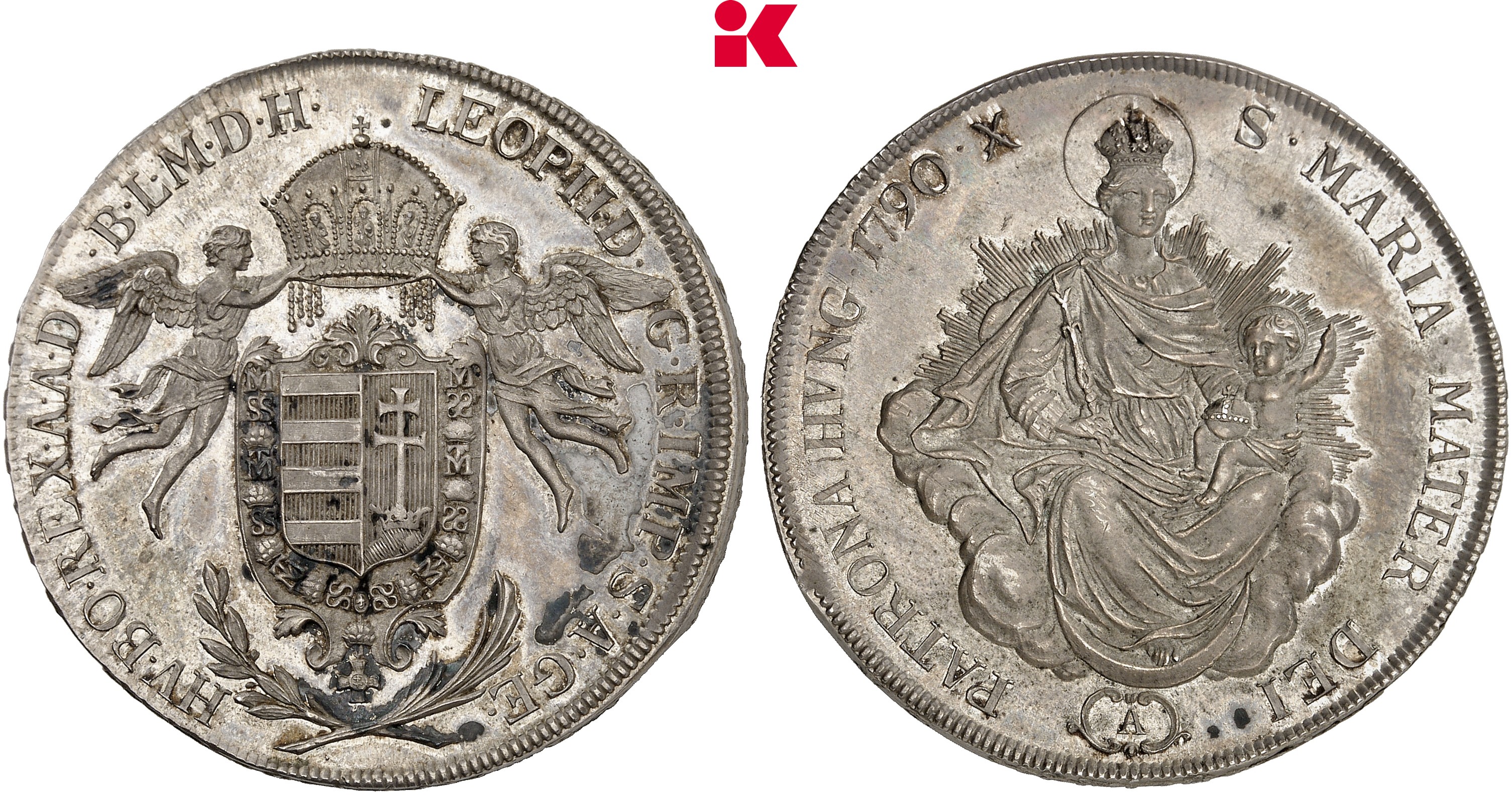
Let us end our little excursion into the Habsburg Empire with a convention thaler from 1790, which was minted in Vienna for Hungary (lot 4896). What is particularly unusual about this interesting piece is its condition. It is a perfectly preserved first strike from particularly fresh dies, showing every detail of the design.
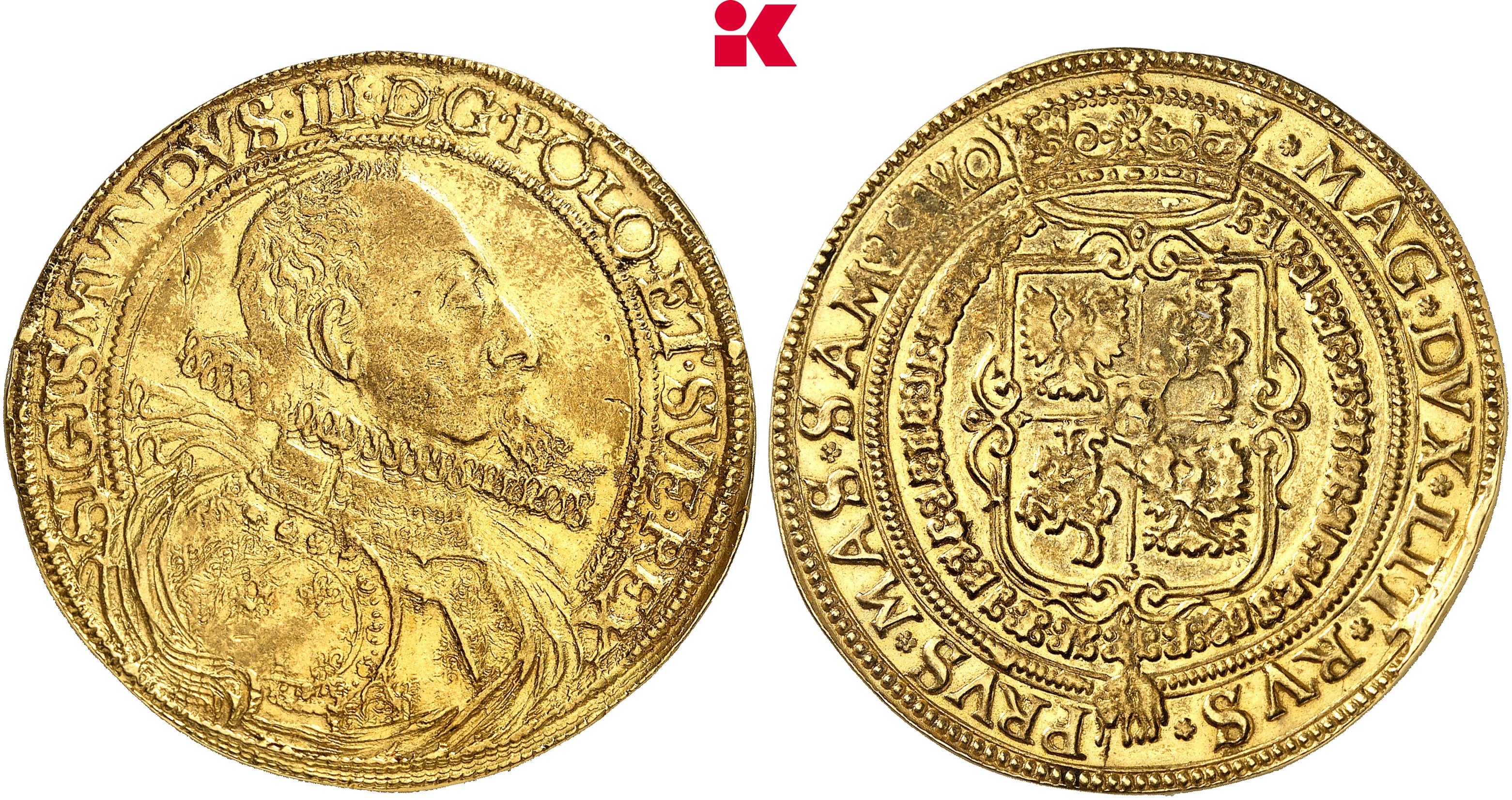
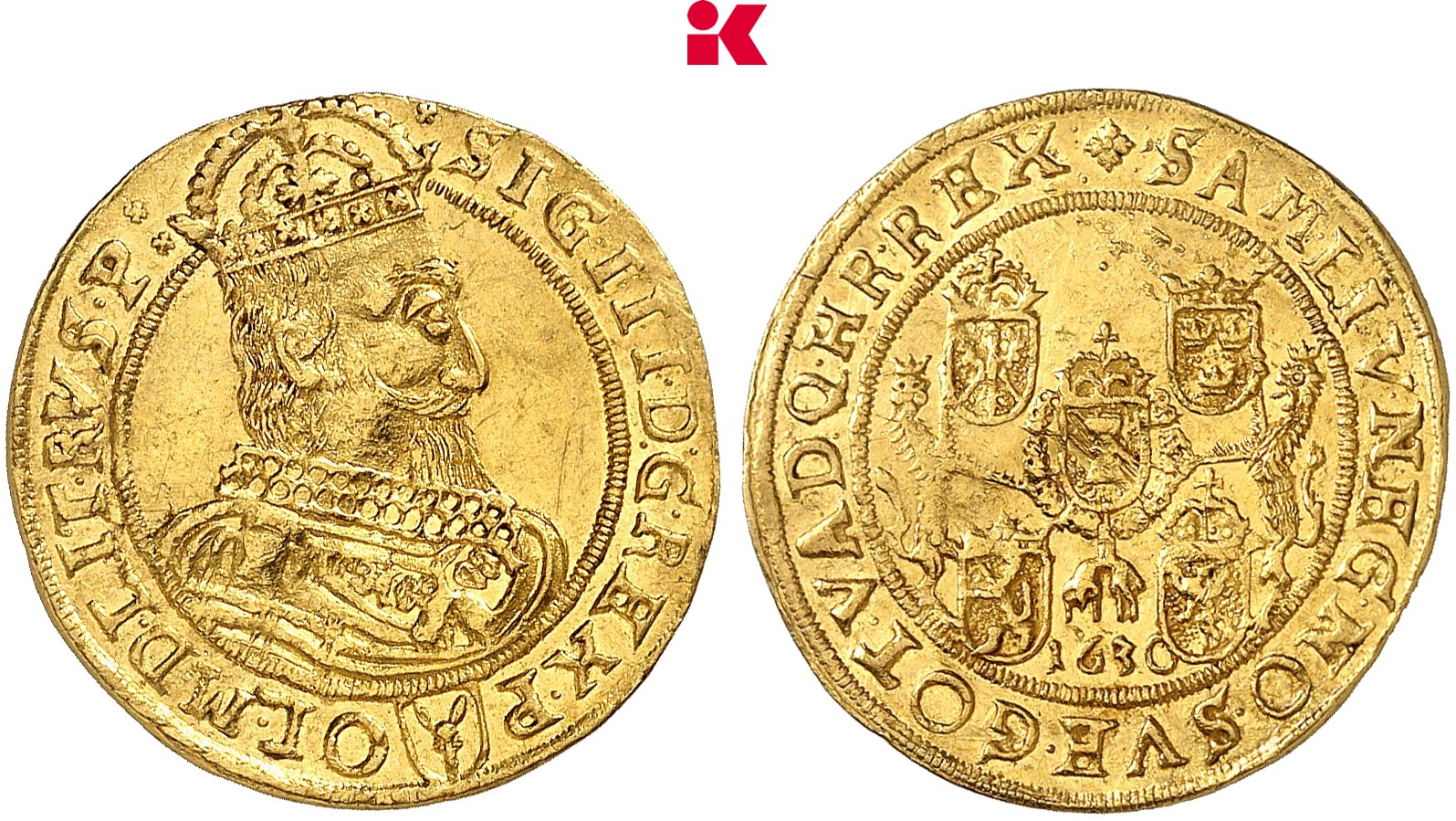
Are you interested in Polish coins? Then you will be delighted by what we have to offer in our Auction Sale 439. Several large gold coins from Sigismund III, as well as what Polish collectors refer to as a white raven, the ducat from 1630 from Bromberg.
The coinage of Sigismund III enjoys almost iconic status among Polish collectors because under him the coinage system was expanded to an unprecedented extent. A wealth of new mints were established. There are said to have been nine royal and six municipal mints. Connoisseurs of Polish coinage are enthusiastic about the fabulous die cutting, which was used primarily in gold coinage.
The highlight of the lot on offer is an extremely rare 10-ducat Portugalöser coin from Sigismund III (lot 2173), presumably from Krakow. But the other pieces are also impressive. Two other extremely rare 10-ducat coins are on offer, one minted in Olkusz and another in Vilnius. In addition, there are two ducats, one minted by Sigismund I in 1532 in Krakow, and then the famous “white raven,” the ducat of Sigismund III from 1630 from Bromberg. It is considered extremely rare. In fact, only two specimens appear to be circulating on the open collectors' market. It seems that way because we have problems clearly identifying the illustrations from old auction catalogs with modern coins. The piece auctioned by Künker in 2021 and now again probably comes from the Chelminski - Otto Helbing (April 25, 1904) and Frankiewicz - Felix Schlessinger (September 15, 1930) collections. However, for the collotype plates of the old auction catalogs, plaster casts were made of the coins, glued to a plate, and then the entire photo of the plate was taken. For this reason, the shape of the blank cannot be determined in old auction catalogs, which makes it difficult to clearly identify a coin that is on the market today with a photo in an old auction catalog.
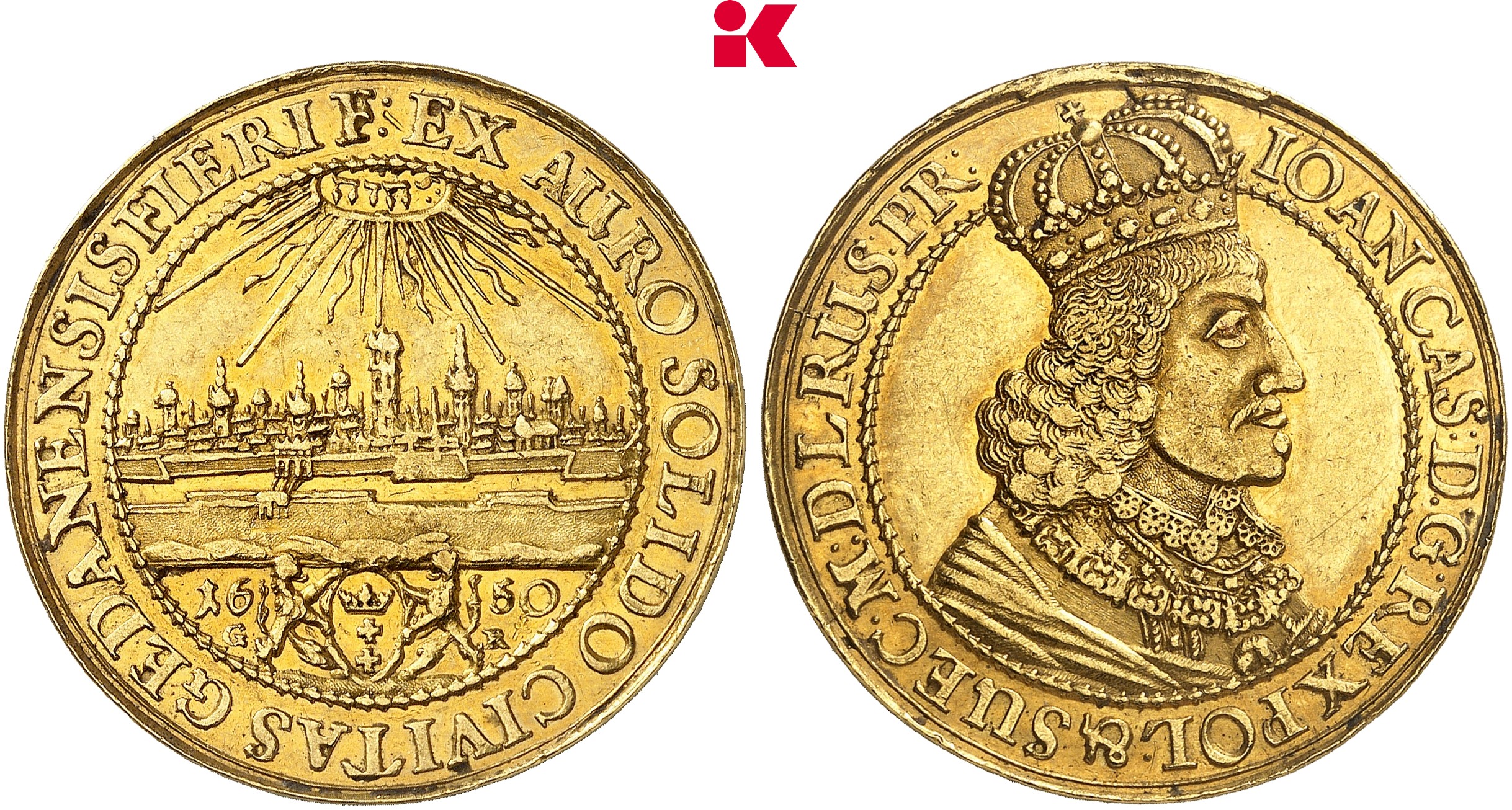
Incidentally, impressive coinages from the cities of Gdańsk and Toruń can also be discovered in Auction Sale 439.
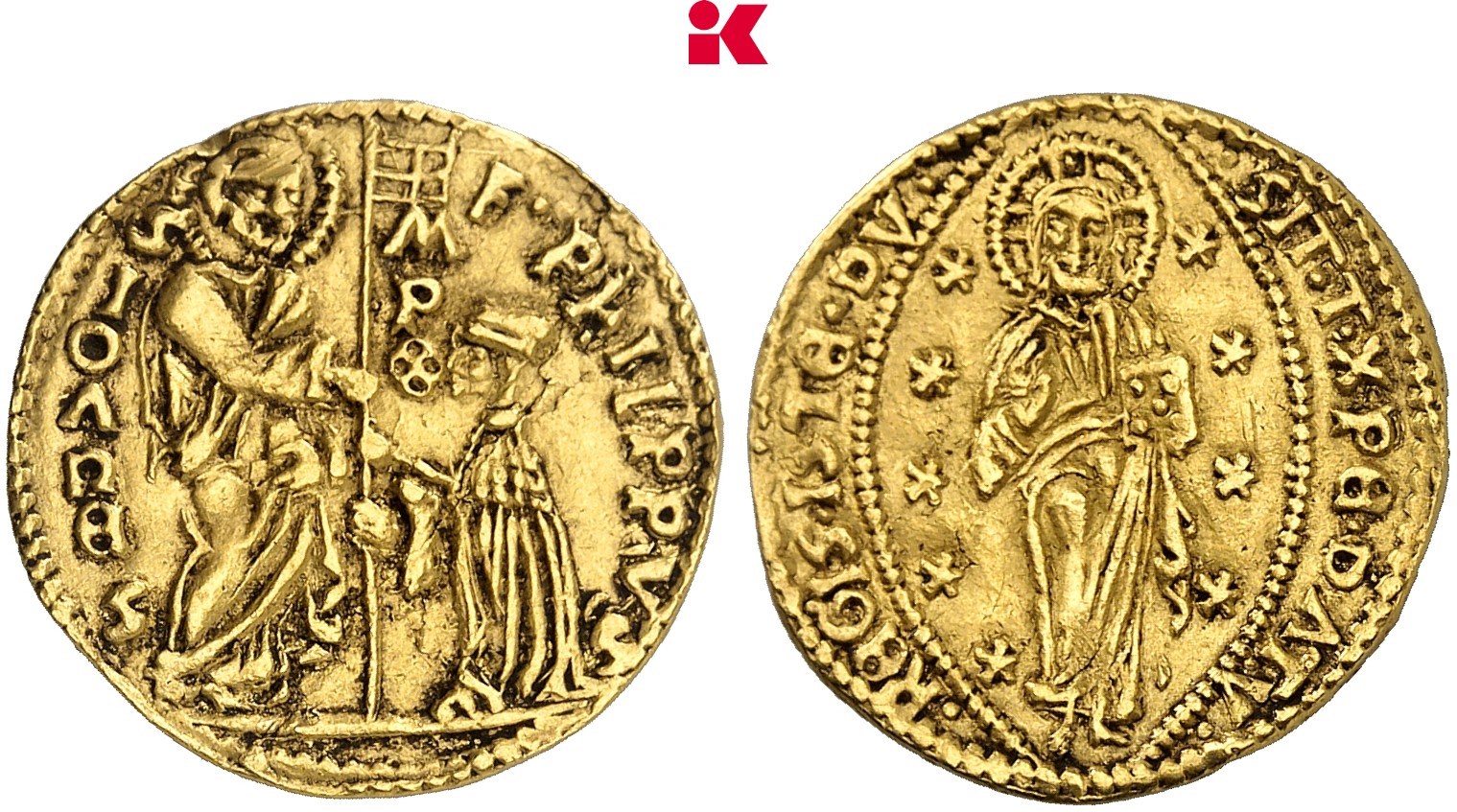
The Order of St. John and its coinage is also a very popular area of collecting. You can discover 27 lots in our Auction Sale 439, including numerous great rarities such as a zecchino that marks the transition between Rhodes and Malta, so to speak (lot 2131). It comes from Philippe Villiers de l'Isle-Adam, who became Grand Master in 1521. He anticipated the invasion of the Ottoman army, which actually began in June 1522. Despite months of fighting, the Knights Hospitaller were unable to hold their ground. They surrendered on December 22, 1522, in exchange for free passage with their weapons and personal belongings. Thus, after 213 years, the Order lost its headquarters in Rhodes. Emperor Charles V immediately began searching for a suitable alternative. However, this was not found until 1530, when Malta was handed over to the Knights Hospitaller as a hereditary fiefdom. The only tribute agreed upon was a single falcon per year. This was the Maltese falcon, all too familiar in popular culture, which Dashiell Hammett immortalized. It is not certain where exactly the zecchino, which we are offering with an estimate of €7,500, was minted. It could well have been produced in 1522 during the siege of Rhodes.
Of course, you will find many other rarities from abroad in our Auction Sales 439 and 441. For example, a lot of 26 Danish gold and silver coins, most of which come from a private noble collection.
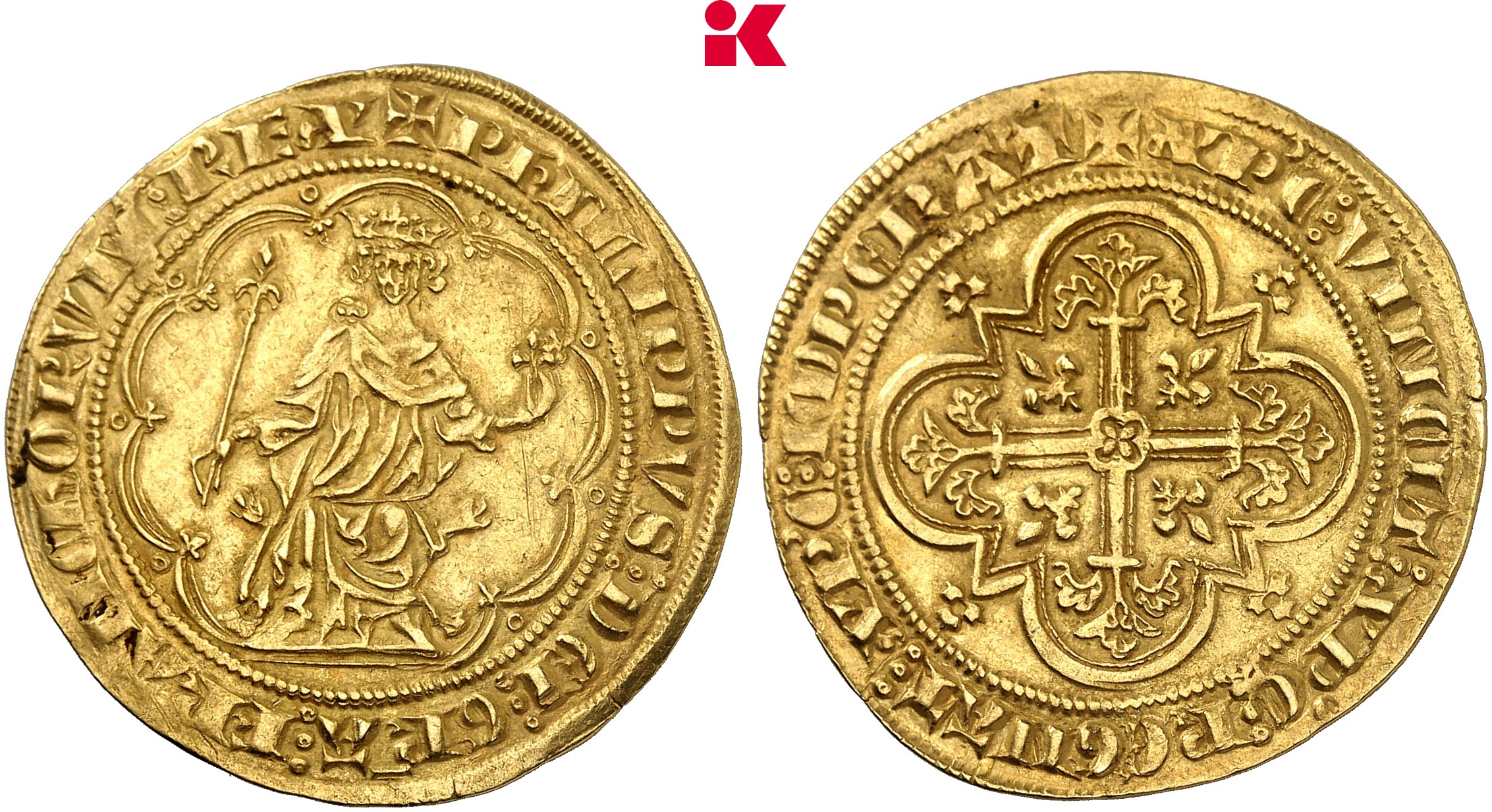
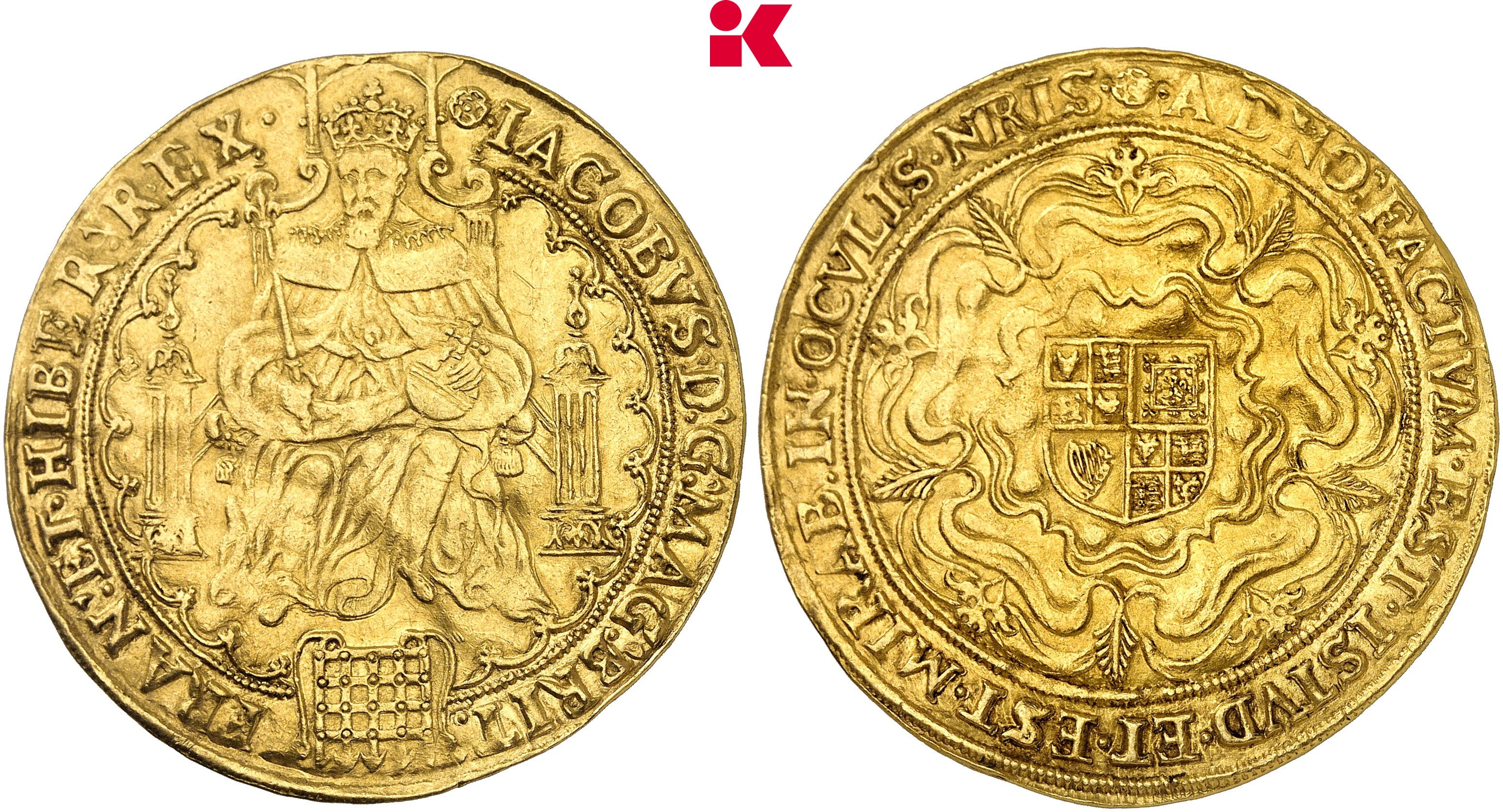
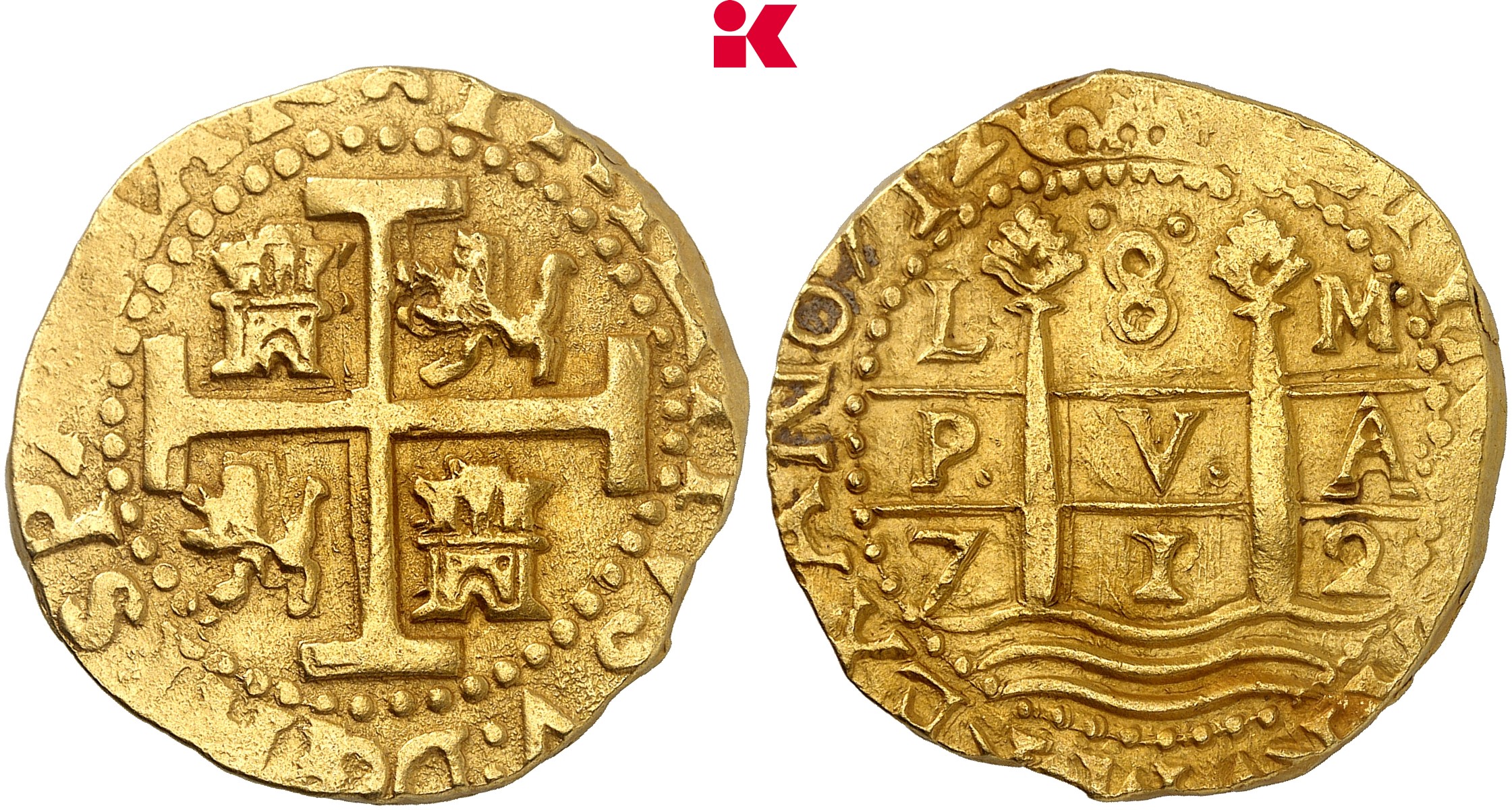
Here are some particularly noteworthy foreign coins:
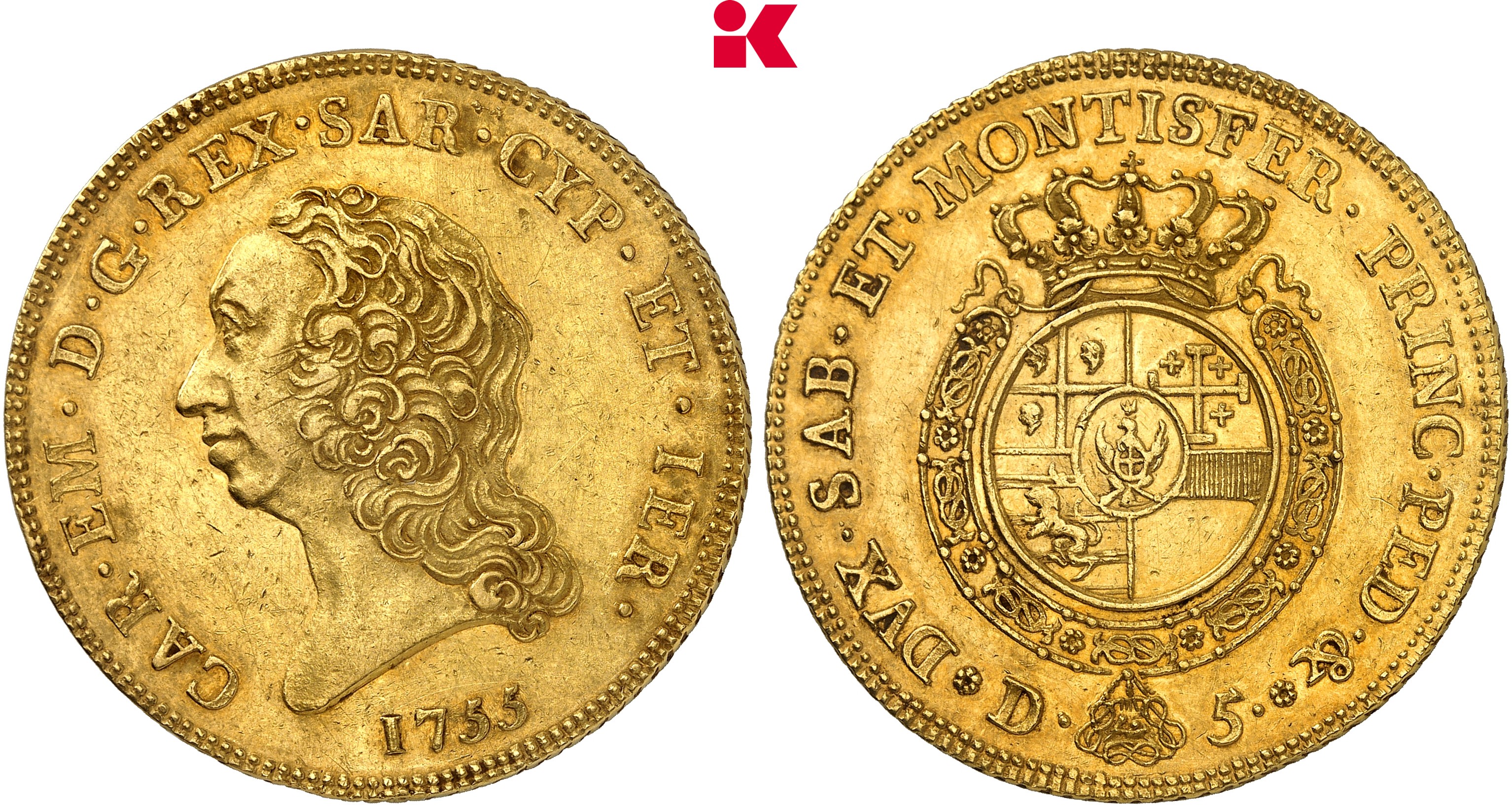
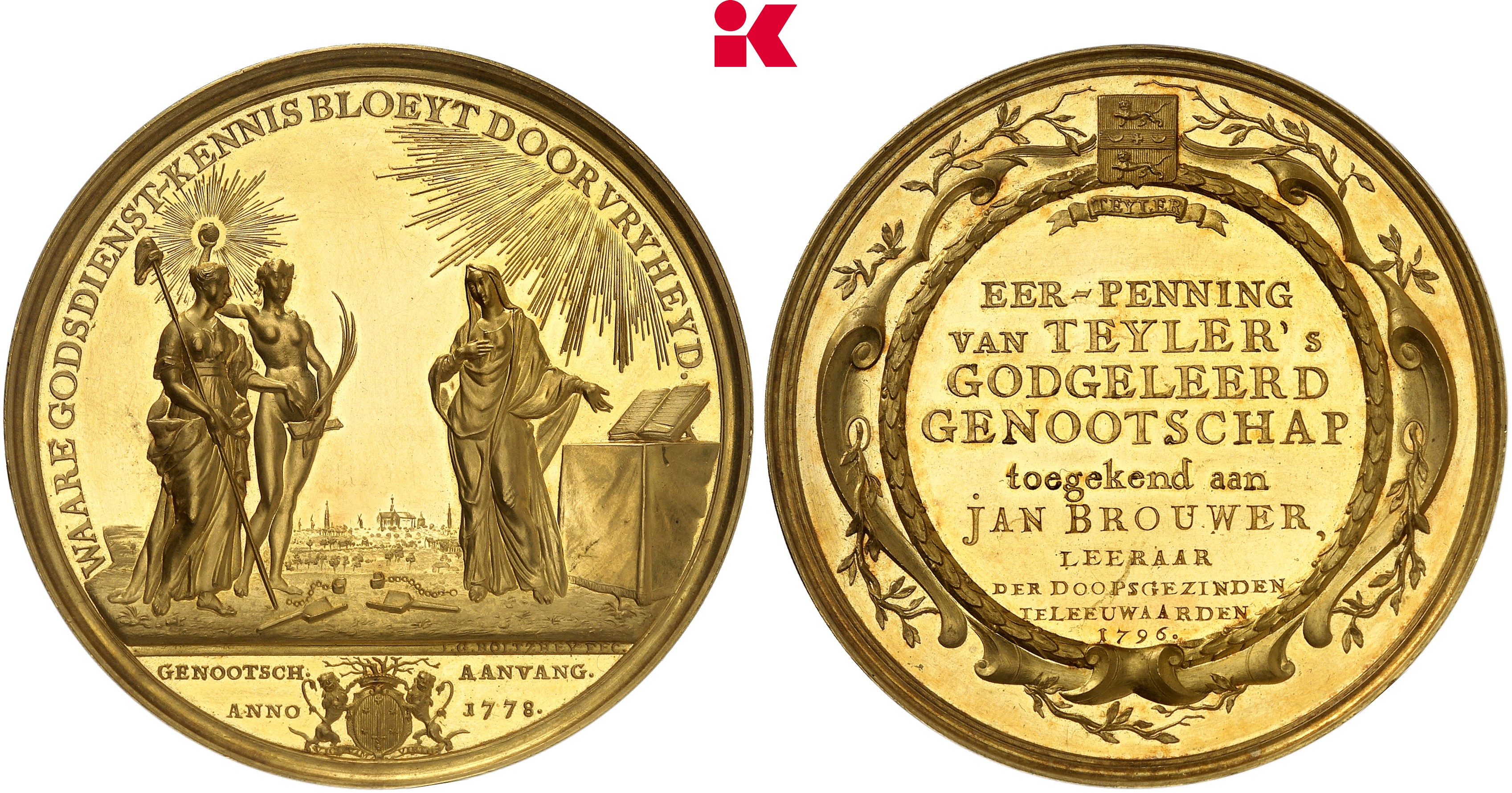
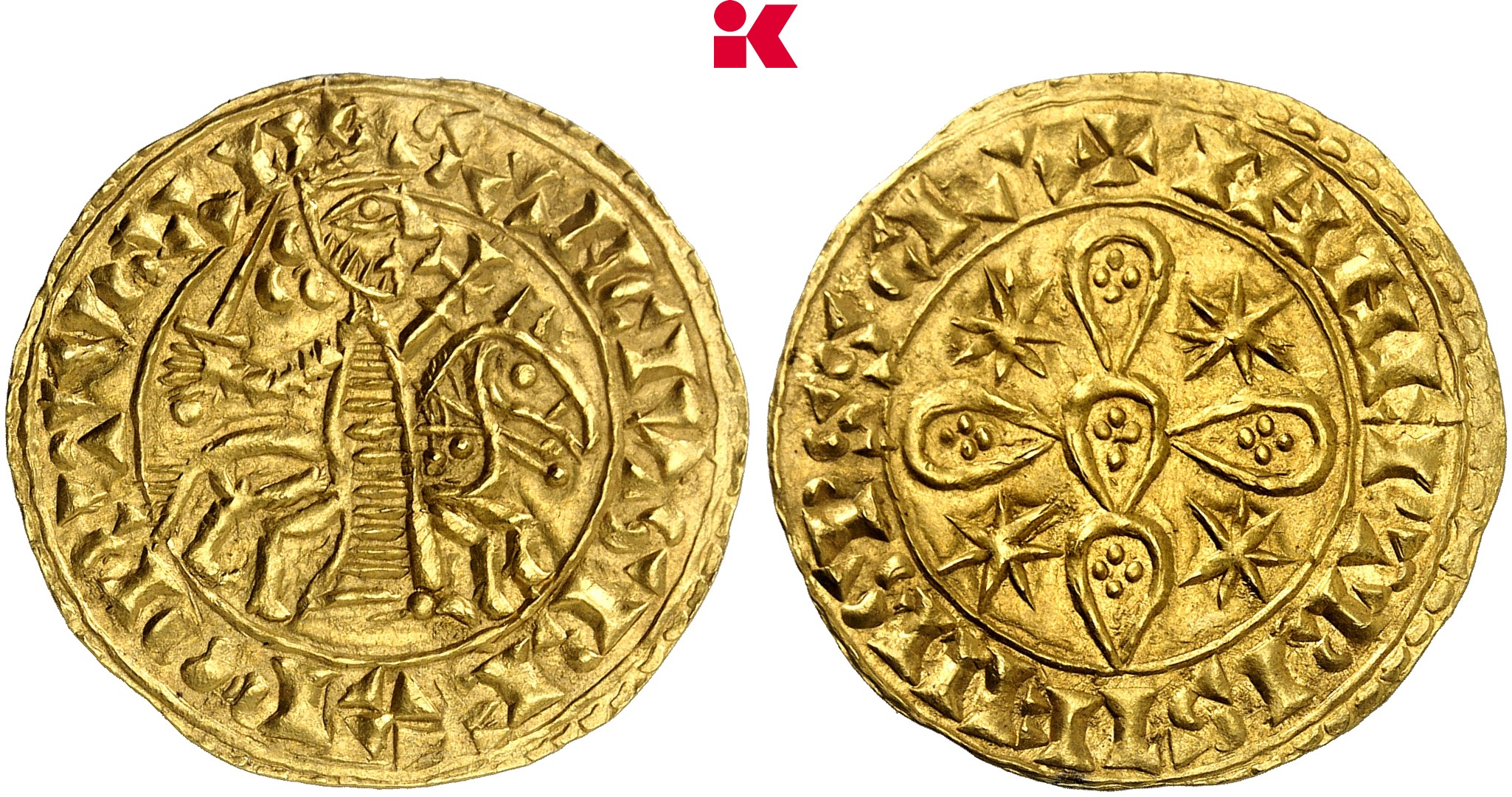
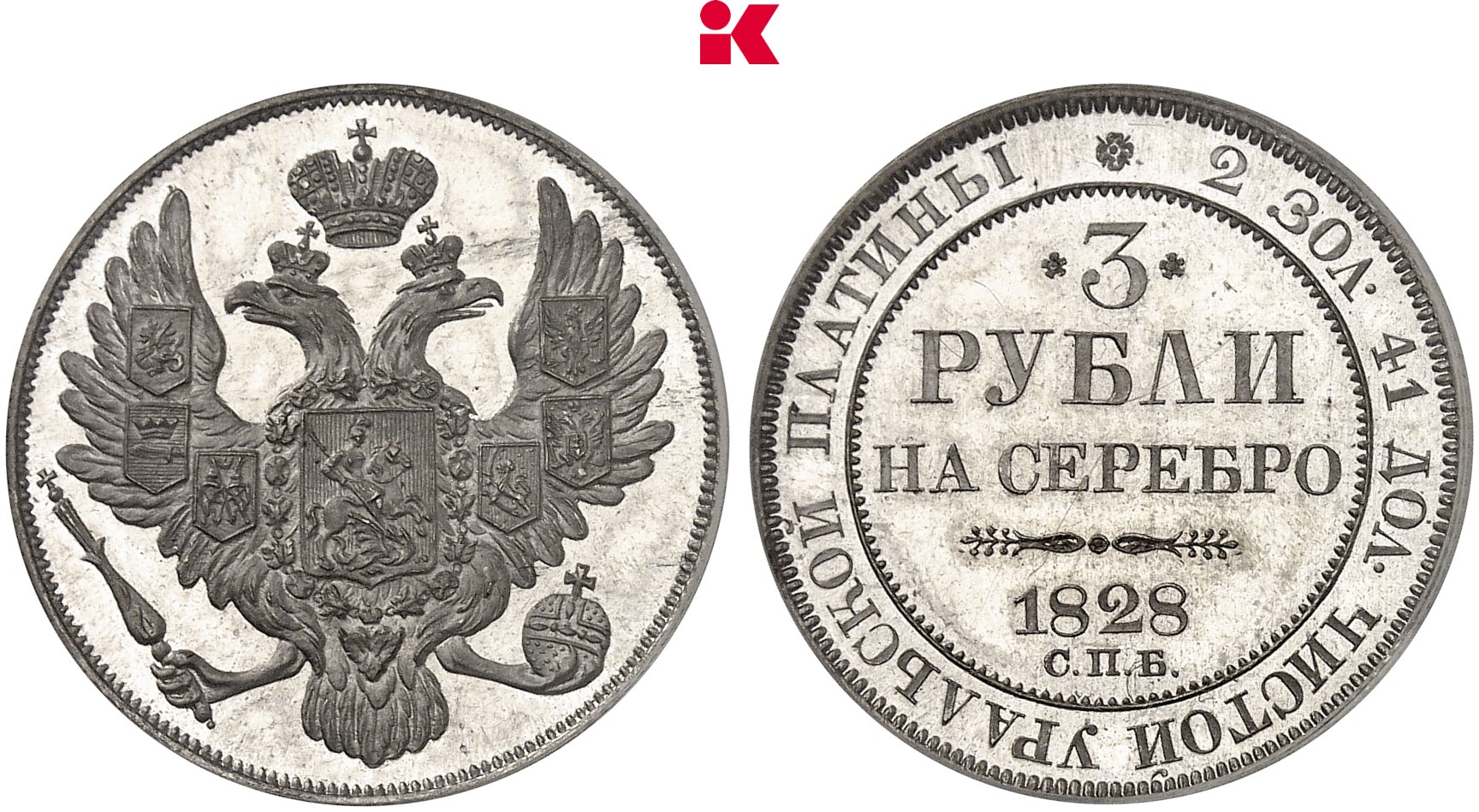
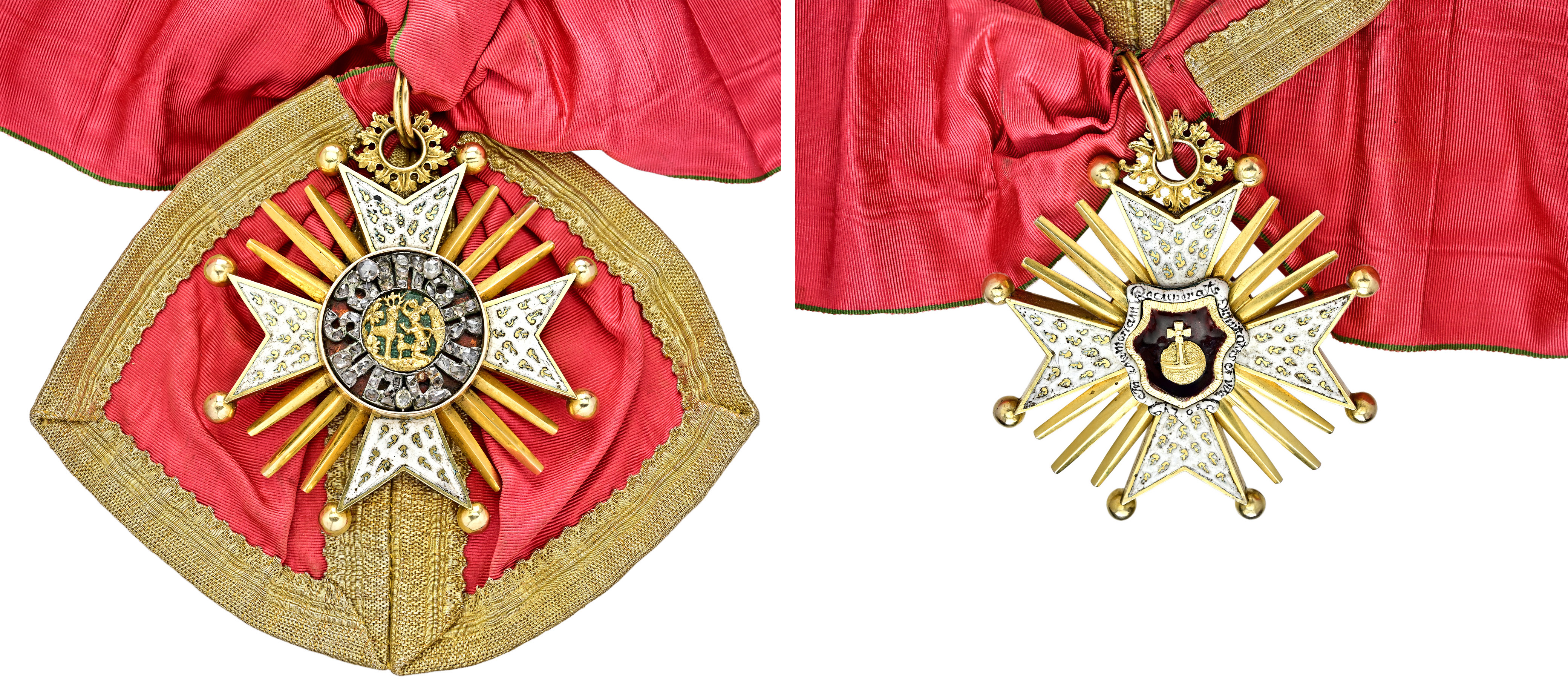
Last but not least, we are offering a Collection of Orders and Decorations from the Estate of an old German noble family. The phaleristic and numismatic estate of Wilhelm, Duke of Bavaria, is being auctioned off.
Wilhelm was born in Gelnhausen in 1752, the son of Johann von Pfalz-Birkenfeld-Gelnhausen. This meant that he belonged to the House of Wittelsbach, but only to a collateral line. In 1704, this line had received the pledged imperial city of Gelnhausen and a life annuity. However, since Gelnhausen was sold to Hesse-Kassel in 1746, Wilhelm's father possessed only the title, but neither territory nor army. It was therefore a real stroke of luck that Wilhelm became the brother-in-law of the future Bavarian King Maximilian I Joseph through his marriage to Maria Anna of Palatinate-Birkenfeld-Bischweiler-Rappoltstein. In 1797, he concluded the Ansbach House Treaty with him, which established the unity and indivisibility of all Wittelsbach lands. In return, Wilhelm received the title of Duke in Bavaria when his brother-in-law took office – not to be confused with the title of the ruling house of Duke of Bavaria.
Among other items, the jewel of the Electoral Palatinate House Order of St. Hubertus from Wilhelm's personal possessions in Bavaria is being offered, the order's motto set with approx. 56 round and elongated old-cut diamonds, diamond roses, and diamond chips.
Wilhelm was admitted to the order by Elector Carl Theodor on February 2, 1768. This order was elevated to the highest order of the Kingdom of Bavaria by King Max I Joseph. However, since it was and remains de jure a house order, it can still be conferred today by the respective head of the House of Wittelsbach in his function as Grand Master of the Order.
Auction Sale 438
Coins of the Ancient World from the Topp Collection, Dormagen, the Jürgen and Erika Schmidt Collection, Bovenden, and The Everglades Collection
Auction Sale 439
Auction Sale 440
Auction Sale 441
Orders and Decorations from the Estate of Wilhelm, Duke of Bavaria (1752–1837), among others in cooperation with Philipp Württemberg Art Advisory GmbH | Coins and Medals from the Middle Ages and Modern times, particularly Denmark, Habsburg, Norway, and Saxony, including items from the Collection of Commercial Councilor Dr. Herbert Wenzel (Habsburg), the Collection of Dr. Wolfgang Kümpfel (Ernestine in Coburg and Gotha), the Collection of Jürgen and Erika Schmidt, Bovenden, and a Collection from former Aristocratic Estates.